
This story was first published in digitalhealth.net

Child admissions to intensive care rise 15 per cent
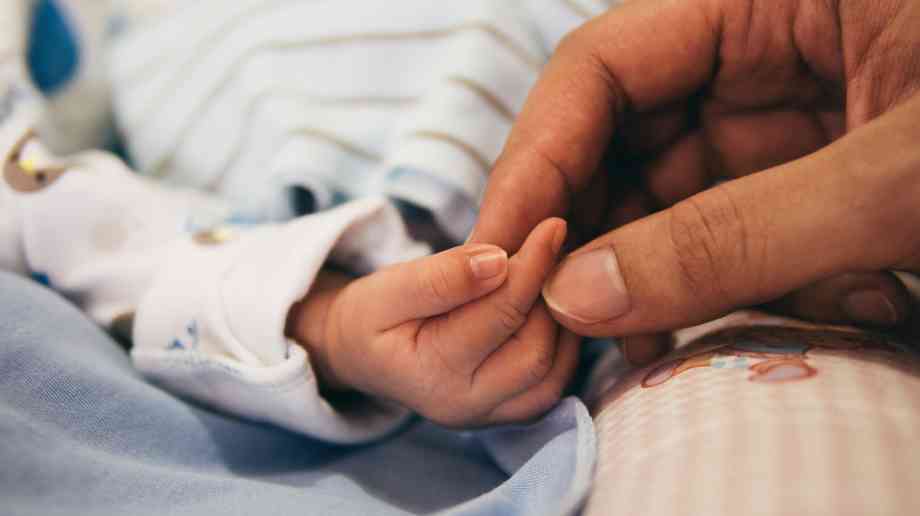
The number of children admitted to intensive care in England has risen sharply since 2009, placing additional strain on the NHS, according to a new study.
The study, published in the British Medical Journal, found nearly a 15 per cent increase in paediatric intensive care unit admission, with a larger than expected rise against population growth from 2009 onwards. In Wales there was a more than two per cent rise over the period studied.
The authors of the research said it was unclear what is behind the rise in numbers, but noted that migration and better survival rates for those born prematurely could be a factor.
The spike from 2009 onwards also correlates with cuts to public healthcare spending, the researchers say.
The study also found that admission rates were higher in areas of England with high numbers of mothers born outside the UK, particularly those from eastern Europe.
Researchers at the University of Leicester and the paediatric intensive care unit at Bristol Royal Hospital for Children analysed admissions data from the Paediatric Intensive Care Audit Network along with population data, including births, comparing predicted admission numbers with the actual figures.
The paper found admission rates were slightly higher among boys than girls and were also higher among children of South Asian ethnicity. The steepest rises were among younger children up to the age of five and those with breathing or cardiovascular problems.
Infants under one made up almost half the total annual admissions.
Elizabeth Draper, one of the authors, said: “We wanted to investigate why there was a rise in admissions and to see if it was due to an increased birth rate or other factors.
“Following analysis, only a proportion of the rise was due to birth rate; we think the additional increase over what would be expected could possibly be due partly to migration into England, and the problems associated with newly-migrated populations into a new country. Another factor is that increasing numbers of critically ill children are surviving pre-term birth and other major illness who may not have survived in the past.”
Peter Davis, consultant in paediatric intensive care at Bristol Royal Hospital for Children, said: “What is changing is probably the nature of and type of patients admitted. They tend to have conditions that are more complex and chronic. That won’t change, as parental expectations now are that there should be more done for children than in the past. People are offered all sorts of treatment and packages and surviving longer.
“NHS England has a review ongoing at the moment looking at what they are doing in paediatric intensive care and paediatric surgical care. Within that they are looking at issues of where children are cared for.
“We need to look at investing into making sure that we have we got the right number of beds in the right places to support these children. We know in winter intensive care beds get very tight. The concern within the profession is whether the review will mean more investment or just the same funding distributed differently.”
Latest News

16/02/2024 - 12:56
Hammersmith and Fulham Council has created a new alliance intended to clean dirty air and improve residents' health.

16/02/2024 - 10:44
Two million more GP appointments a month are being delivered for patients compared to the same month before the pandemic as part of the NHS primary care access recovery plan according to new NHS data.

15/02/2024 - 10:26
The Welsh Government has provided innovation funding of £380,000 to support two projects utilising technology in domiciliary care.

15/02/2024 - 10:13
The new Scottish health secretary has met with frontline staff at Queen Elizabeth University Hospital in Glasgow.

14/02/2024 - 10:27
The North East London NHS Foundation Trust (NELFT) has appointed three new Executive Directors to the Trust Board.
Product Features

UK Building Regulations highlight toxic gas and smoke from layers of paint built up over multiple redecorations as a major cause of permanent ill health or death in a building fire.
Their concern rose with discovery the flame retardant paints most widely used paint along escape routes have been ones which to this day counter-productively use emission of heavy toxic gas to smother flames which rapidly spread along walls if layers of paint delaminate in a fire.
Supplier Profiles

Northwich’s Victoria Infirmary (VIN) Community Diagnostic Centre (CDC) has enabled more patients

Adveco, the commercial hot water specialist, announces the launch of live metering of domestic ho
Latest Features

Sarah Greenslade, public affairs and communications officer at the British Parking Association looks at some of the problems and innovations in healthcare parking

It’s easy to assume that the comms team is there to handle press enquiries and the occasional social media storm – but the reality is that strategic communications can make a measurable impact across the entire organisation, from operational to financial, when done properly


