
This story was first published in digitalhealth.net

Three quarters of paramedics threatened at work
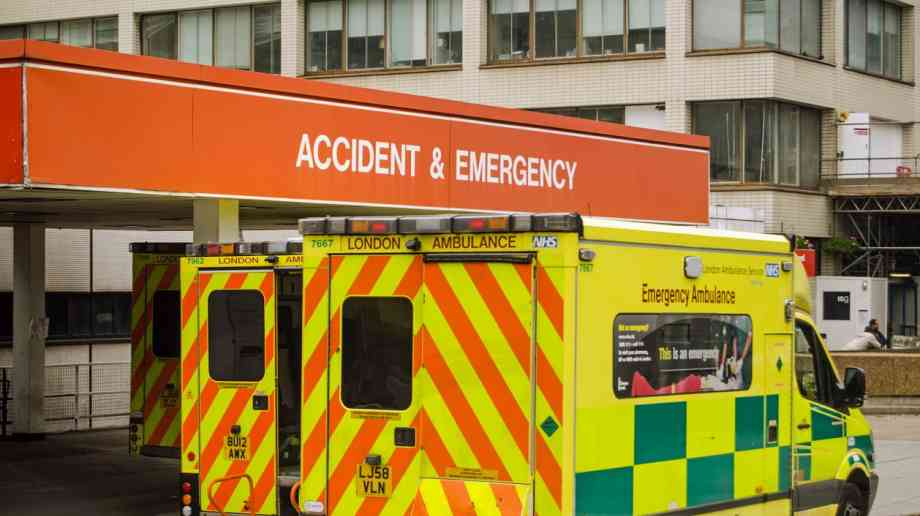
A new survey from the College of Paramedics has found that nearly three-quarters of paramedics have feared for their own safety or felt threatened at work.
As many as 70 per cent of paramedics who took part in the survey said they had feared for their own safety or felt threatened while carrying out their duties. The results come one month after new NHS England figures revealed that paramedics have suffered a 32 per cent rise in assaults over the past five years, with 3,569 incidents taking place in 2020-21 alone.
Of the 2,345 paramedics across the UK who responded to the survey, 49 per cent said they had suffered physical abuse, while 80 per cent said they had been verbally abused during the course of their work.
The College of Paramedics has warned that the abuse paramedics are experiencing is having a direct impact on their health and wellbeing. Most paramedics surveyed (89 per cent) said their jobs were taking a toll on their mental health and 69 per cent said this had intensified since the start of the covid pandemic.
Tracy Nicholls, chief executive of the College of Paramedics, said: "We have long been aware of the physical and verbal abuse that paramedics suffer and the toll it takes on their health and well-being – but this is the first time that a large-scale survey of this kind has revealed the extent of the problem.
"It's absolutely outrageous to think that so many paramedics have been abused whilst carrying out their duties, going above and beyond to help people when they are at their most vulnerable, and often in the most challenging of circumstances. Worryingly, the abuse appears to have increased during the pandemic when paramedics are already exposing themselves to greater personal risk.
"Enough is enough! It is time for us all to take a stand and find new ways of working together to prevent abuse from happening, as well as demanding zero-tolerance when it does occur.
"We welcome the steps that the government has taken to mitigate some of the risks by announcing that funding will be made available for body worn cameras and by introducing harsher custodial sentences for perpetrators of violence against paramedics – but more needs to be done. After years of lobbying, the legislation is now in place to ensure that the worst offenders are severely and appropriately dealt with. The problem is that the law is not being used to full effect and sentences are still far too lenient. We are calling today on the courts to step up and impose the harshest penalties available to them."
Latest News

16/02/2024 - 12:56
Hammersmith and Fulham Council has created a new alliance intended to clean dirty air and improve residents' health.

16/02/2024 - 10:44
Two million more GP appointments a month are being delivered for patients compared to the same month before the pandemic as part of the NHS primary care access recovery plan according to new NHS data.

15/02/2024 - 10:26
The Welsh Government has provided innovation funding of £380,000 to support two projects utilising technology in domiciliary care.

15/02/2024 - 10:13
The new Scottish health secretary has met with frontline staff at Queen Elizabeth University Hospital in Glasgow.

14/02/2024 - 10:27
The North East London NHS Foundation Trust (NELFT) has appointed three new Executive Directors to the Trust Board.
Product Features

UK Building Regulations highlight toxic gas and smoke from layers of paint built up over multiple redecorations as a major cause of permanent ill health or death in a building fire.
Their concern rose with discovery the flame retardant paints most widely used paint along escape routes have been ones which to this day counter-productively use emission of heavy toxic gas to smother flames which rapidly spread along walls if layers of paint delaminate in a fire.
Supplier Profiles

Northwich’s Victoria Infirmary (VIN) Community Diagnostic Centre (CDC) has enabled more patients

Adveco, the commercial hot water specialist, announces the launch of live metering of domestic ho
Latest Features

Sarah Greenslade, public affairs and communications officer at the British Parking Association looks at some of the problems and innovations in healthcare parking

It’s easy to assume that the comms team is there to handle press enquiries and the occasional social media storm – but the reality is that strategic communications can make a measurable impact across the entire organisation, from operational to financial, when done properly


