
This story was first published in digitalhealth.net

Doctors’ burnout worsens as report reveals pandemic impact
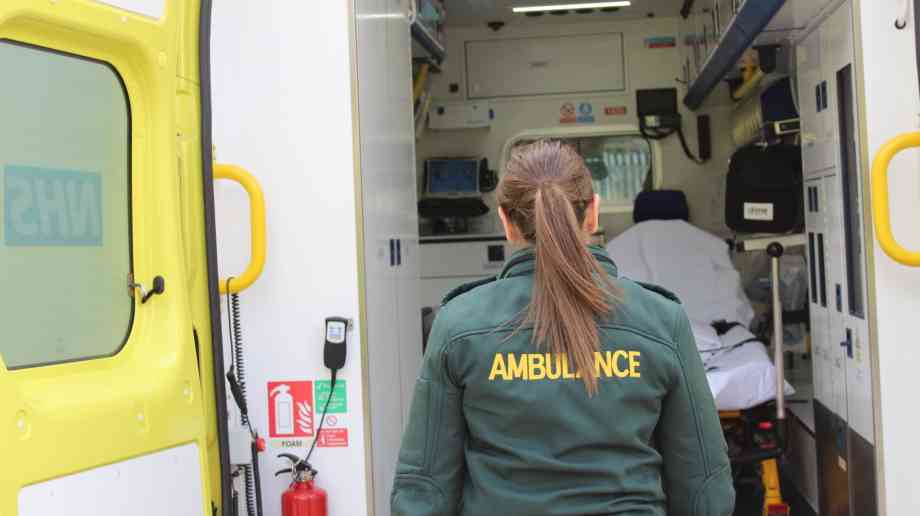
The pandemic has increased burnout among doctors and risks reversing recent improvements in their workloads and well-being, the General Medical Council has warned in a new report.
The regulator’s annual national training survey was completed by more than 63,000 UK doctors, all of them either trainees or trainers. Responses to questions about burnout were the worst since they were introduced in 2018.
A third of trainees said they felt burnt out to a high or very degree because of their work, compared to around a quarter in previous years. Three in five said they always or often felt worn out at the end of a working day, and 44 per cent felt their work was ‘emotionally exhausting’ to a high or very high degree.
Trainees’ responses to seven well-being-related questions, across all medical specialties, saw a swing towards negative answers compared to previous years.
Although trainees and trainers reported worsening levels of burnout, the quality of training remained high, and similar to pre-pandemic levels. Around three-quarters (76 per cent) of trainees rated the quality of teaching as ‘good’ or ‘very good’, and 88 per cent described their clinical supervision as ‘good’ or ‘very good’.
The GMC also says that 81 per cent of trainees said they were on course to meet their curriculum outcomes for the year, although one in ten – a substantial number in real terms – were concerned about progressing through their training.
Charlie Massey, chief executive of the GMC, said: “It is not surprising that burnout has worsened during the pandemic, but we cannot expect doctors to continue to operate at this level of intensity. As health services emerge from Covid pressures will remain, but we must not risk reversing the gains that have been made in recent years. The danger is that, unless action is taken, workloads and wellbeing will continue to suffer, and future burnout rates could get even worse. As we move on from the pandemic, it is vital that doctors’ training and well-being needs are central to service recovery plans. This year’s results should be a blip caused by Covid, not part of a new normal.”
Latest News

16/02/2024 - 12:56
Hammersmith and Fulham Council has created a new alliance intended to clean dirty air and improve residents' health.

16/02/2024 - 10:44
Two million more GP appointments a month are being delivered for patients compared to the same month before the pandemic as part of the NHS primary care access recovery plan according to new NHS data.

15/02/2024 - 10:26
The Welsh Government has provided innovation funding of £380,000 to support two projects utilising technology in domiciliary care.

15/02/2024 - 10:13
The new Scottish health secretary has met with frontline staff at Queen Elizabeth University Hospital in Glasgow.

14/02/2024 - 10:27
The North East London NHS Foundation Trust (NELFT) has appointed three new Executive Directors to the Trust Board.
Product Features

UK Building Regulations highlight toxic gas and smoke from layers of paint built up over multiple redecorations as a major cause of permanent ill health or death in a building fire.
Their concern rose with discovery the flame retardant paints most widely used paint along escape routes have been ones which to this day counter-productively use emission of heavy toxic gas to smother flames which rapidly spread along walls if layers of paint delaminate in a fire.
Supplier Profiles

Northwich’s Victoria Infirmary (VIN) Community Diagnostic Centre (CDC) has enabled more patients

Adveco, the commercial hot water specialist, announces the launch of live metering of domestic ho
Latest Features

Sarah Greenslade, public affairs and communications officer at the British Parking Association looks at some of the problems and innovations in healthcare parking

It’s easy to assume that the comms team is there to handle press enquiries and the occasional social media storm – but the reality is that strategic communications can make a measurable impact across the entire organisation, from operational to financial, when done properly


