
This story was first published in digitalhealth.net

Government unveils new Obesity Strategy
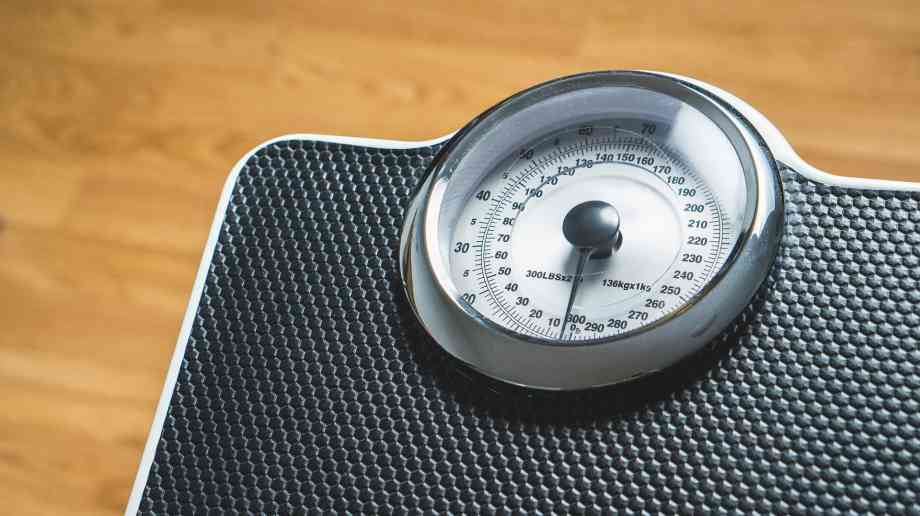
The Department of Health and Social Care has unveiled its new Obesity Strategy as it begins to encourage people to lose weight to help beat coronavirus and protect the NHS.
Research shows that 63 per cent of adults in England are overweight or living with obesity, and one in three children currently leave primary school overweight or obese, with obesity-related illnesses costing the NHS £6 billion a year.
The urgency of tackling obesity in the UK has been brought to the fore by evidence of the link to an increased risk from coronavirus, as studies indicate that living with excess weight puts people at greater risk of serious illness or death from coronavirus, with risk growing substantially as BMI increases.
Nearly eight per cent of critically ill patients with the virus in intensive care units have been morbidly obese, compared with 2.9 per cent of the general population.
Unlike previous government strategies to tackle obesity, rather than focusing primarily on childhood obesity, this strategy represents a new focus on empowering adults to lose weight as well. Among the measures are a ban on unhealthy food adverts, ending ‘Buy One Get one Free’ promotions, new laws on calorie labelling and front of pack nutritional labelling, as well as an expansion of NHS services.
Weight management services will be expanded so more people get the support they need to lose weight. This will include more self-care apps and online tools for people with obesity-related conditions and accelerating the NHS Diabetes Prevention Programme. From next year doctors will be offered incentives to ensure people living with obesity is given support for weight loss and primary care staff will also have the opportunity to become ‘healthy weight coaches’ though training delivered by Public Health England. Separately, GPs will also be encouraged to prescribe exercise and more social activities to help people keep fit.
Prime Minister, Boris Johnson said: “Losing weight is hard but with some small changes we can all feel fitter and healthier. If we all do our bit, we can reduce our health risks and protect ourselves against coronavirus – as well as taking pressure off the NHS.”
Health Secretary Matt Hancock said: “Everyone knows how hard losing weight can be so we are taking bold action to help everyone who needs it. When you’re shopping for your family or out with friends, it’s only fair that you are given the right information about the food you’re eating to help people to make good decisions. To help support people we need to reduce unhelpful influences like promotions and adverts that affect what you buy and what you eat. Taken together, supported by an inspiring campaign and new smart tools, will get the country eating healthily and losing the pounds.
“We know obesity increases the risk of serious illness and death from coronavirus - so it’s vital we take action on obesity to protect the NHS and improve our nation’s health.”
Latest News

16/02/2024 - 12:56
Hammersmith and Fulham Council has created a new alliance intended to clean dirty air and improve residents' health.

16/02/2024 - 10:44
Two million more GP appointments a month are being delivered for patients compared to the same month before the pandemic as part of the NHS primary care access recovery plan according to new NHS data.

15/02/2024 - 10:26
The Welsh Government has provided innovation funding of £380,000 to support two projects utilising technology in domiciliary care.

15/02/2024 - 10:13
The new Scottish health secretary has met with frontline staff at Queen Elizabeth University Hospital in Glasgow.

14/02/2024 - 10:27
The North East London NHS Foundation Trust (NELFT) has appointed three new Executive Directors to the Trust Board.
Product Features

UK Building Regulations highlight toxic gas and smoke from layers of paint built up over multiple redecorations as a major cause of permanent ill health or death in a building fire.
Their concern rose with discovery the flame retardant paints most widely used paint along escape routes have been ones which to this day counter-productively use emission of heavy toxic gas to smother flames which rapidly spread along walls if layers of paint delaminate in a fire.
Supplier Profiles

Northwich’s Victoria Infirmary (VIN) Community Diagnostic Centre (CDC) has enabled more patients

Adveco, the commercial hot water specialist, announces the launch of live metering of domestic ho
Latest Features

Sarah Greenslade, public affairs and communications officer at the British Parking Association looks at some of the problems and innovations in healthcare parking

It’s easy to assume that the comms team is there to handle press enquiries and the occasional social media storm – but the reality is that strategic communications can make a measurable impact across the entire organisation, from operational to financial, when done properly


