
This story was first published in digitalhealth.net

Improvements in asthma care needed as EDs struggle to meet standards
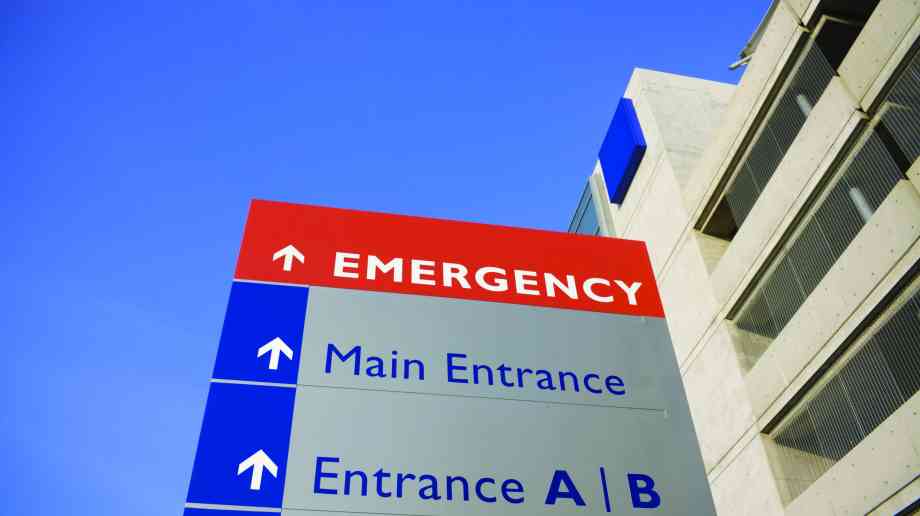
RCEM has called for improvements amid wide variation in the speed of asthma care in UK Emergency Departments (ED).
According to a new audit by the Royal College of Emergency Medicine (RCEM), joined-up solutions are needed to provide asthma care faster as EDs struggle to meet standards.
The new report, Moderate & acute severe asthma, audited 14,043 children and adults with moderate and acute severe asthma presenting to 201 EDs.
The findings reveal that many EDs are struggling to adhere to the time standards set by the British Thoracic Society and RCEM, and it is thought that this reflects the increasing demands on EDs with higher volumes of patients with complex heath needs.
The report found that, in providing care for asthma patients at the ED front door, resources are stretched; time to first assessment and treatment can be delayed and re-assessment in a timely fashion is therefore more difficult to achieve.
The audit is designed to drive clinical practice forward by helping clinicians examine the daily work they do and benchmark against their peers and recognise excellence. The RCEM says that there is much good practice occurring and they believe the audit is an important component in sharing this and ensuring patient safety.
Dr Taj Hassan, president of the RCEM, said: “There are approximately 5.4 million people in the UK who suffer from asthma, with one in five households being affected. Of greater concern is that every 10 seconds someone is having a potentially life threatening asthma attack and despite remarkable efforts by NHS staff, three people will die of acute asthma every day in the UK.
“This report should be discussed by senior multidisciplinary ED teams to look at the key areas of clinical practice so that, where possible, appropriate refinements to the care pathway can be made. More importantly, the data will be of interest to regulators as a surrogate marker of quality care, which is perhaps being compromised due to inadequate staffing levels or overcrowding in the ED. Clinical Directors should consider these issues when making business cases to address staffing and system shortcomings well before the regulator visits.
“There is no doubt that we must identify and address the factors that are compromising our ability to deliver the care we would want for our patients. Thanks again to the authors for shining a brighter light on this common life threatening condition that can be so well managed in the ED and improve the lives of so many.”
Dr Jeff Keep, emergency medicine consultants said: “There is unacceptable variation when it is known that all EDs are busy. Action must be taken by Departments on fundamental standards that they are failing to achieve. These fundamental standards are priority areas for Quality Improvement Projects (QIPs) in the department.”
Latest News

16/02/2024 - 12:56
Hammersmith and Fulham Council has created a new alliance intended to clean dirty air and improve residents' health.

16/02/2024 - 10:44
Two million more GP appointments a month are being delivered for patients compared to the same month before the pandemic as part of the NHS primary care access recovery plan according to new NHS data.

15/02/2024 - 10:26
The Welsh Government has provided innovation funding of £380,000 to support two projects utilising technology in domiciliary care.

15/02/2024 - 10:13
The new Scottish health secretary has met with frontline staff at Queen Elizabeth University Hospital in Glasgow.

14/02/2024 - 10:27
The North East London NHS Foundation Trust (NELFT) has appointed three new Executive Directors to the Trust Board.
Product Features

UK Building Regulations highlight toxic gas and smoke from layers of paint built up over multiple redecorations as a major cause of permanent ill health or death in a building fire.
Their concern rose with discovery the flame retardant paints most widely used paint along escape routes have been ones which to this day counter-productively use emission of heavy toxic gas to smother flames which rapidly spread along walls if layers of paint delaminate in a fire.
Supplier Profiles

Northwich’s Victoria Infirmary (VIN) Community Diagnostic Centre (CDC) has enabled more patients

Adveco, the commercial hot water specialist, announces the launch of live metering of domestic ho
Latest Features

Sarah Greenslade, public affairs and communications officer at the British Parking Association looks at some of the problems and innovations in healthcare parking

It’s easy to assume that the comms team is there to handle press enquiries and the occasional social media storm – but the reality is that strategic communications can make a measurable impact across the entire organisation, from operational to financial, when done properly


