
This story was first published in digitalhealth.net

E-cigarettes should be allowed at hospitals
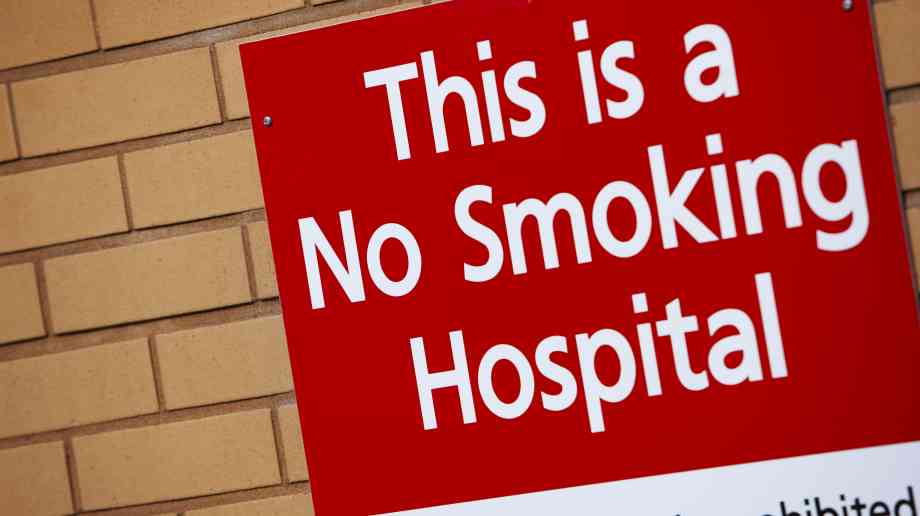
A new report from the Royal College of Physicians (RCP) has called for e-cigarettes to be permitted on hospital grounds to help the NHS seek completely smoke-free sites.
Hosting its Innovation in Medicine conference in London, the RCP also suggests that stop-smoking services should be an ‘opt-out’ element of NHS care for smoking addiction, a move that has the potential to increase quit rates by double in patients.
Smokers who start smoking at the start of adult life lose an average of 10 years of life expectancy, or around one year for every four years of smoking after the age of 35. Smoking is also recognised cause of numerous cancers, COPD, heart disease and stroke, but it also increases the risks of conditions such as diabetes, arthritis, flu, asthma and dementia.
Hiding in plain sight: Treating tobacco dependency in the NHS makes a list of recommendations, including: smokers should be identified and receive cost-effective treatment to help them quit; smoking cessation should be a systematic, ‘opt-out’ part of all NHS services, and delivered in smoke-free settings; allowing electronic cigarettes to be used on NHS sites to support smokers to remain smoke-free and help to sustain smoke-free policies; training in smoking cessation should be introduced into all healthcare professional training; and smoking cessation treatments save money for the NHS in the short term and long term - and should be prioritised as a core NHS activity.
John Britton, chair of the RCP's Tobacco Advisory Group, said: "Treating the more than one million smokers who are admitted to hospitals every year represents a unique opportunity for the NHS to improve patients' lives, while also saving money. For too long the NHS has failed to take responsibility for smoking, while prioritising other, less effective activity. Smoking, the biggest avoidable cause of death and disability in the UK, is hiding in plain sight in our hospitals and other NHS services; the NHS must end the neglect of this huge opportunity to improve our nation's health."
Duncan Selbie, chief executive at Public Health England, said: "One in four hospital patients are smokers costing hospitals £1 billion a year. We fully support the Royal College in saying by far the majority of the NHS could be doing more to help smokers to quit."
Latest News

16/02/2024 - 12:56
Hammersmith and Fulham Council has created a new alliance intended to clean dirty air and improve residents' health.

16/02/2024 - 10:44
Two million more GP appointments a month are being delivered for patients compared to the same month before the pandemic as part of the NHS primary care access recovery plan according to new NHS data.

15/02/2024 - 10:26
The Welsh Government has provided innovation funding of £380,000 to support two projects utilising technology in domiciliary care.

15/02/2024 - 10:13
The new Scottish health secretary has met with frontline staff at Queen Elizabeth University Hospital in Glasgow.

14/02/2024 - 10:27
The North East London NHS Foundation Trust (NELFT) has appointed three new Executive Directors to the Trust Board.
Product Features

UK Building Regulations highlight toxic gas and smoke from layers of paint built up over multiple redecorations as a major cause of permanent ill health or death in a building fire.
Their concern rose with discovery the flame retardant paints most widely used paint along escape routes have been ones which to this day counter-productively use emission of heavy toxic gas to smother flames which rapidly spread along walls if layers of paint delaminate in a fire.
Supplier Profiles

Northwich’s Victoria Infirmary (VIN) Community Diagnostic Centre (CDC) has enabled more patients

Adveco, the commercial hot water specialist, announces the launch of live metering of domestic ho
Latest Features

Sarah Greenslade, public affairs and communications officer at the British Parking Association looks at some of the problems and innovations in healthcare parking

It’s easy to assume that the comms team is there to handle press enquiries and the occasional social media storm – but the reality is that strategic communications can make a measurable impact across the entire organisation, from operational to financial, when done properly


