
This story was first published in digitalhealth.net

NHS will struggle to cope this winter, say doctors
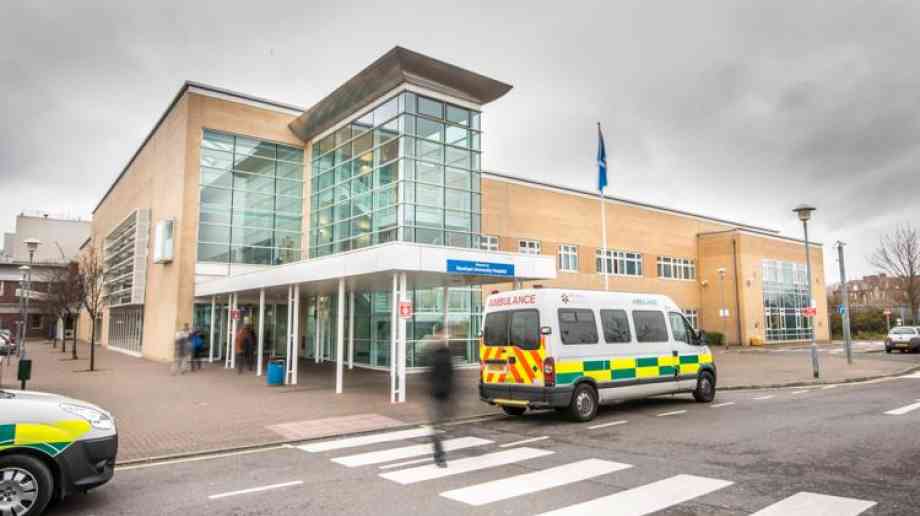
A survey for the British Medical Association has found that thousands of doctors have little or no confidence in the NHS to meet the needs of patients with coronavirus as well as other conditions during the second wave.
According to the doctor’s association, those working in areas under the strictest of lockdown measures in England are very sceptical about their effectiveness. The survey reveals that just under six per cent said these measures would have any significant impact on containing the spread of the virus and 37 per cent said they would have no impact or be ineffective.
More than 6,500 doctors in England once again voice their fears that the NHS will not cope with both the demands placed upon it by people with coronavirus and winter pressures, as well as the millions of patients on ever-growing waiting lists. They also revealed high levels of anxiety about the autumn and winter ahead.
The BMA reports that more than 70 per cent of respondents said they were either not at all or not very confident about the abilities of services in community settings to cope, while 65 per cent were not confident about their own local healthcare service’s ability to cope. This is partly because 0ne in four say they are seeing more Covid patients than during the first wave and nearly 40 per cent report that non-Covid demand is higher than before the pandemic.
Additionally, more than 40 per cent said that their levels of stress, anxiety and emotional distress had got worse since the pandemic began.
Dr Chaand Nagpaul, BMA council chair, said: “Doctors know that this winter is likely be one of the most difficult times of their careers. They are extremely worried about the ability for the NHS to cope and their ability to care for the needs of their patients. These survey findings show the enormous scale of the challenges for the NHS in the coming months – and they reinforce the BMA’s call for a national and strategic approach to getting this virus under control.
“Fewer than one in three say they work in settings which can even adequately separate potentially Covid and non-Covid patients, at a time when more than four in 10 doctors say that they are seeing more Covid patients than they did during the first wave. Meanwhile there remains a backlog of millions of patients not receiving treatment during the first peak, and with only 15 per cent of doctors reporting that they have started to tackle the backlog, millions are still left waiting to be seen.
“Doctors are doing their best to keep patients safe, with seven in 10 are saying they are providing remote consultations to prevent the spread of infection in hospitals and GP practices. But with this work often taking longer and proving more tiring, it’s clear that over-work and under-capacity is taking its toll on the NHS, its workforce and its patients.”
Latest News

16/02/2024 - 12:56
Hammersmith and Fulham Council has created a new alliance intended to clean dirty air and improve residents' health.

16/02/2024 - 10:44
Two million more GP appointments a month are being delivered for patients compared to the same month before the pandemic as part of the NHS primary care access recovery plan according to new NHS data.

15/02/2024 - 10:26
The Welsh Government has provided innovation funding of £380,000 to support two projects utilising technology in domiciliary care.

15/02/2024 - 10:13
The new Scottish health secretary has met with frontline staff at Queen Elizabeth University Hospital in Glasgow.

14/02/2024 - 10:27
The North East London NHS Foundation Trust (NELFT) has appointed three new Executive Directors to the Trust Board.
Product Features

UK Building Regulations highlight toxic gas and smoke from layers of paint built up over multiple redecorations as a major cause of permanent ill health or death in a building fire.
Their concern rose with discovery the flame retardant paints most widely used paint along escape routes have been ones which to this day counter-productively use emission of heavy toxic gas to smother flames which rapidly spread along walls if layers of paint delaminate in a fire.
Supplier Profiles

Northwich’s Victoria Infirmary (VIN) Community Diagnostic Centre (CDC) has enabled more patients

Adveco, the commercial hot water specialist, announces the launch of live metering of domestic ho
Latest Features

Sarah Greenslade, public affairs and communications officer at the British Parking Association looks at some of the problems and innovations in healthcare parking

It’s easy to assume that the comms team is there to handle press enquiries and the occasional social media storm – but the reality is that strategic communications can make a measurable impact across the entire organisation, from operational to financial, when done properly


