
This story was first published in digitalhealth.net

Defibrillators installed in all state schools
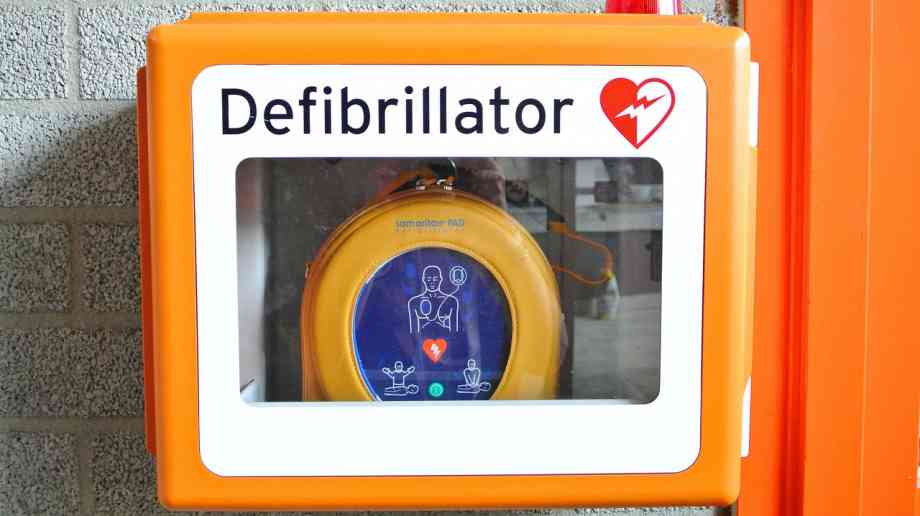
All state-funded schools in England now have a defibrillator, following a £19 million government funded roll out.
Over 20,000 defibrillators have successfully been delivered to almost 18,000 schools since January.
In June, the Department for Education oversaw the successful completion of deliveries of defibrillators to secondary schools. Now, all eligible primary, special and alternative provision schools who did not already have a defibrillator have now received deliveries.
In July 2022, the Government committed to delivering these devices before the end of the 2022/23 academic year to ensure that all state funded schools in England had access to a defibrillator, following the campaigning from Mark King of the Oliver King Foundation to ensure all schools have a defibrillator. Mark tragically lost his son, Oliver, after he suffered sudden cardiac arrest at school during a swimming lesson when he was 12-years old.
Oliver King Foundation founder, Mark King: “We as a family and foundation will continue to strive for change so no other family has to suffer as we are.
“We would like to say a massive thank you to Nadhim Zahawi, Lord Stuart Polak, Jamie Carragher and the DfE for helping us aim for legislation.
“Oliver's memory will live on and lives will be saved!”
Large schools have been provided with two or more defibrillators so that they can be strategically placed in areas of the schools where a cardiac arrest is more likely, such as sports halls.
A defibrillator is a machine that is placed externally on the body and is used to give an electric shock when a person is in cardiac arrest i.e. when the heart suddenly stops pumping blood around the body. Prompt defibrillation can help save a person’s life.
The Government is also supporting schools in making defibrillators available to the community, with 1,200 external heated defibrillator cabinets being provided to primary and special schools by the end of 2023 in areas of deprivation, where provision is generally lower.
The rollout will build on existing requirements for schools to teach first aid as part of the curriculum, with secondary school pupils being taught life-saving methods such as CPR and the purpose of defibrillators. This rollout will help protect schools and their local communities against cardiac arrest, delivering wider access to these devices.
Image by Tanja-Denise Schantz from Pixabay
Latest News

16/02/2024 - 12:56
Hammersmith and Fulham Council has created a new alliance intended to clean dirty air and improve residents' health.

16/02/2024 - 10:44
Two million more GP appointments a month are being delivered for patients compared to the same month before the pandemic as part of the NHS primary care access recovery plan according to new NHS data.

15/02/2024 - 10:26
The Welsh Government has provided innovation funding of £380,000 to support two projects utilising technology in domiciliary care.

15/02/2024 - 10:13
The new Scottish health secretary has met with frontline staff at Queen Elizabeth University Hospital in Glasgow.

14/02/2024 - 10:27
The North East London NHS Foundation Trust (NELFT) has appointed three new Executive Directors to the Trust Board.
Product Features

UK Building Regulations highlight toxic gas and smoke from layers of paint built up over multiple redecorations as a major cause of permanent ill health or death in a building fire.
Their concern rose with discovery the flame retardant paints most widely used paint along escape routes have been ones which to this day counter-productively use emission of heavy toxic gas to smother flames which rapidly spread along walls if layers of paint delaminate in a fire.
Supplier Profiles

Northwich’s Victoria Infirmary (VIN) Community Diagnostic Centre (CDC) has enabled more patients

Adveco, the commercial hot water specialist, announces the launch of live metering of domestic ho
Latest Features

Sarah Greenslade, public affairs and communications officer at the British Parking Association looks at some of the problems and innovations in healthcare parking

It’s easy to assume that the comms team is there to handle press enquiries and the occasional social media storm – but the reality is that strategic communications can make a measurable impact across the entire organisation, from operational to financial, when done properly


