
This story was first published in digitalhealth.net

Dementia ward makeover helps to reduce patient anxiety
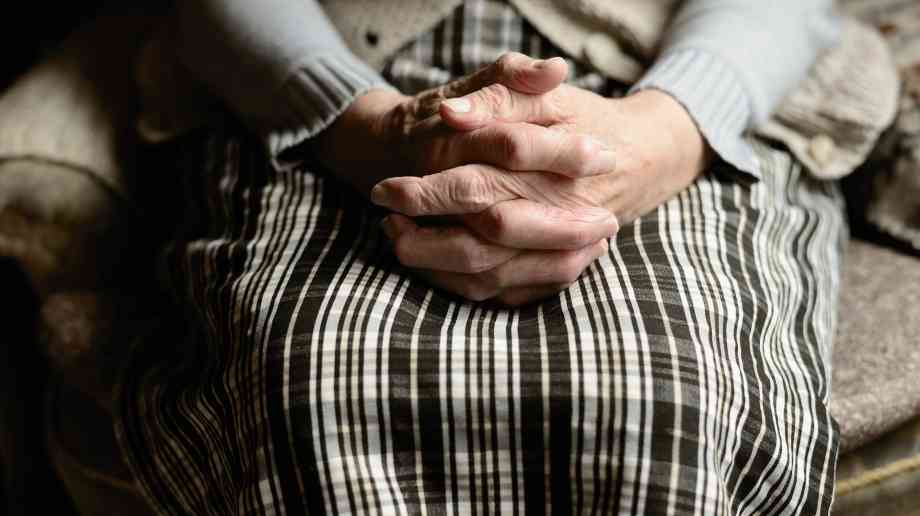
NHS hospitals are helping patients with dementia by decorating their wards, rooms and corridors in 1940s and 1950s style – creating a calming, familiar environment which can help jog memories, reduce anxiety and distress.
With ageing well and caring for people with dementia both key priorities in the NHS Long Term Plan; hospitals across the country have revamped their dementia ward decor, with ideas ranging from a ‘memories pub’ to 1950s style ‘reminiscence rooms’ and even a cinema booth where patients can watch old films.
Welcoming the move, Alistair Burns, national clinical director for dementia and older people’s mental health for NHS England and NHS Improvement said:
“Hospital can be a frightening place for many people but can prove a bigger challenge for people with dementia who might feel more confused and agitated in an unfamiliar environment. Having a dementia-friendly place to stay may help these patients adjust better to their surroundings, lessen the likelihood of falls and reduce their reliance on medicine.
“With the NHS diagnosing a record number of older people with dementia this year, it’s more important than ever that patients get the right support and care – as outlined in the NHS Long Term Plan – and these hospitals are making simple but hugely effective adjustments which can have enormous benefits to patients.”
Emma Bould, Programme Partnership Manager at Alzheimer’s Society, said:
“We know that staying in hospital can be quite a stressful experience, especially for a person with dementia who may be more easily disorientated or confused. By making dementia-friendly adaptions to a hospital setting and creating familiar environments from the past, hospitals can be transformed into spaces that will give people with dementia a sense of independence, reduce anxiety and improve both mental and physical health.
“There are now 850,000 people living with dementia in the UK, and the numbers are continuing to rise. We welcome these steps to ensure dementia is a key priority for NHS England and would encourage more hospitals to consider how they can best support people with dementia to relax, recover and engage with the world around them by creating a more dementia-friendly environment.”
Latest News

16/02/2024 - 12:56
Hammersmith and Fulham Council has created a new alliance intended to clean dirty air and improve residents' health.

16/02/2024 - 10:44
Two million more GP appointments a month are being delivered for patients compared to the same month before the pandemic as part of the NHS primary care access recovery plan according to new NHS data.

15/02/2024 - 10:26
The Welsh Government has provided innovation funding of £380,000 to support two projects utilising technology in domiciliary care.

15/02/2024 - 10:13
The new Scottish health secretary has met with frontline staff at Queen Elizabeth University Hospital in Glasgow.

14/02/2024 - 10:27
The North East London NHS Foundation Trust (NELFT) has appointed three new Executive Directors to the Trust Board.
Product Features

UK Building Regulations highlight toxic gas and smoke from layers of paint built up over multiple redecorations as a major cause of permanent ill health or death in a building fire.
Their concern rose with discovery the flame retardant paints most widely used paint along escape routes have been ones which to this day counter-productively use emission of heavy toxic gas to smother flames which rapidly spread along walls if layers of paint delaminate in a fire.
Supplier Profiles

Northwich’s Victoria Infirmary (VIN) Community Diagnostic Centre (CDC) has enabled more patients

Adveco, the commercial hot water specialist, announces the launch of live metering of domestic ho
Latest Features

Sarah Greenslade, public affairs and communications officer at the British Parking Association looks at some of the problems and innovations in healthcare parking

It’s easy to assume that the comms team is there to handle press enquiries and the occasional social media storm – but the reality is that strategic communications can make a measurable impact across the entire organisation, from operational to financial, when done properly


