
This story was first published in digitalhealth.net

Better care in the community can prevent A&E admissions
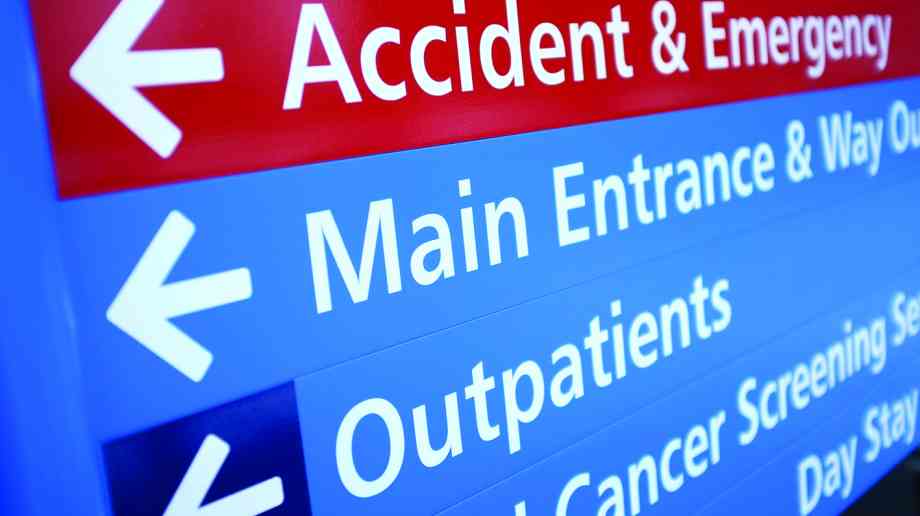
New analysis has revealed that more than four in 10 emergency admissions to hospital from care homes could potentially be avoided through better care in the community.
As the NHS rolls out the Enhanced Health in Care Homes (EHCH) initiative , the Improvement Analytics Unit analysis says that 41 per cent of emergency admissions to hospital involving care home residents could be potentially avoided with better provision of preventative primary care, community support or NHS care in care homes.
The briefing also includes evaluations of four local sites where the NHS worked in partnership with care homes to step up the support they received as part of vanguard initiatives to improve care in care homes.
With decreases in potentially avoidable emergency admissions to hospital of up to 27 per cent, decreases in emergency admissions of up to 23 per cent or reductions in A&E visits of up to 29 per cent from care home residents, encouraging results were found across three of the four sites where the NHS worked in partnership with care homes to step up the support they received as part of vanguard initiatives to improve care in care homes.
Following the early findings, it was announced in the NHS Long Term Plan that the EHCH model will be rolled out nationwide to give everyone living in a care home improved GP support and more visits from specialists like dieticians and clinical pharmacists.
The analysis also reveals that nearly one in 12 emergency admissions to hospital are for people living in a care home, an estimated 192,000 emergency admissions each year. Furthermore, emergency admissions to hospital and A&E visits nationally were particularly high in patients from residential care homes, where the care of residents is provided by non-clinical staff. There were approximately 32 per cent more A&E attendances and 22 per cent more emergency admissions from residential care homes than from nursing homes, where residents receive in-house nursing care.
Adam Steventon, director of Data Analytics at the Health Foundation, said: “Emergency admissions to hospital can expose care home residents to stress, loss of independence, risk of infection and rapid muscle deterioration. Around 70 per cent of care home residents have dementia and can find the hospital environment even more stressful and disorienting as a result. Reducing avoidable emergency admissions and A&E attendances is good for residents and will help reduce pressure on the NHS.
“Our evaluations show that by increasing NHS support and improving partnership working with care homes it is possible to reduce emergency admissions to hospital and A&E visits among care home residents and local sites have made good progress on integrating services, despite real pressures in social care. It also highlights that better preventative care may help to reduce unnecessary emergency hospital admissions, for example some fractures may be avoided with appropriate risk assessment and falls prevention. However, further progress may be jeopardised without urgent reform and investment for social care. The NHS Long Term Plan rightly identifies that both the well-being of older people and pressures on the NHS are linked to how well social care is functioning.”
Professor Alistair Burns, National Clinical Director for Dementia and Older People’s Mental Health at NHS England, said: “People want to know their mum or grandad is being properly looked after and helping them to live well and with the best possible quality of life is key to that. That’s why we are rolling out extra support to care homes as part of the Long Term Plan to reduce unnecessary medication and strengthen the ties between GPs and care homes.
“In some of the vanguard areas, which today’s report with the Health Foundation shows, these measures made a huge difference to residents’ health and when fully rolled out they will mean older people in every part of the country will benefit from personalised, specialist support in their care home.”
The Improvement Analytics Unit is a joint initiative between NHS England and the Health Foundation.
Latest News

16/02/2024 - 12:56
Hammersmith and Fulham Council has created a new alliance intended to clean dirty air and improve residents' health.

16/02/2024 - 10:44
Two million more GP appointments a month are being delivered for patients compared to the same month before the pandemic as part of the NHS primary care access recovery plan according to new NHS data.

15/02/2024 - 10:26
The Welsh Government has provided innovation funding of £380,000 to support two projects utilising technology in domiciliary care.

15/02/2024 - 10:13
The new Scottish health secretary has met with frontline staff at Queen Elizabeth University Hospital in Glasgow.

14/02/2024 - 10:27
The North East London NHS Foundation Trust (NELFT) has appointed three new Executive Directors to the Trust Board.
Product Features

UK Building Regulations highlight toxic gas and smoke from layers of paint built up over multiple redecorations as a major cause of permanent ill health or death in a building fire.
Their concern rose with discovery the flame retardant paints most widely used paint along escape routes have been ones which to this day counter-productively use emission of heavy toxic gas to smother flames which rapidly spread along walls if layers of paint delaminate in a fire.
Supplier Profiles

Northwich’s Victoria Infirmary (VIN) Community Diagnostic Centre (CDC) has enabled more patients

Adveco, the commercial hot water specialist, announces the launch of live metering of domestic ho
Latest Features

Sarah Greenslade, public affairs and communications officer at the British Parking Association looks at some of the problems and innovations in healthcare parking

It’s easy to assume that the comms team is there to handle press enquiries and the occasional social media storm – but the reality is that strategic communications can make a measurable impact across the entire organisation, from operational to financial, when done properly


