
This story was first published in digitalhealth.net

NHS hospitals seriously short of vital equipment
Hospitals are suffering ‘serious shortages’ of vital medical equipment such as ventilators and oxygen cylinders during the NHS’s winter crisis, it has been revealed.
A great increase in the number of people needing care has also led to some hospitals running out o beds for patients to sleep in, mattresses to lie on and trolleys to use while they wait for admission, the Guardian has found.
NHS England said the service is under the most strain it has faced since the 1990s. Patients have faced long waits for beds on trolleys, more than 100,000 patients have been stuck in ambulances waiting to get into an A&E unit, and senior doctors have written to the Prime Minister warning her about patients ‘dying prematurely’ in hospital corridors.
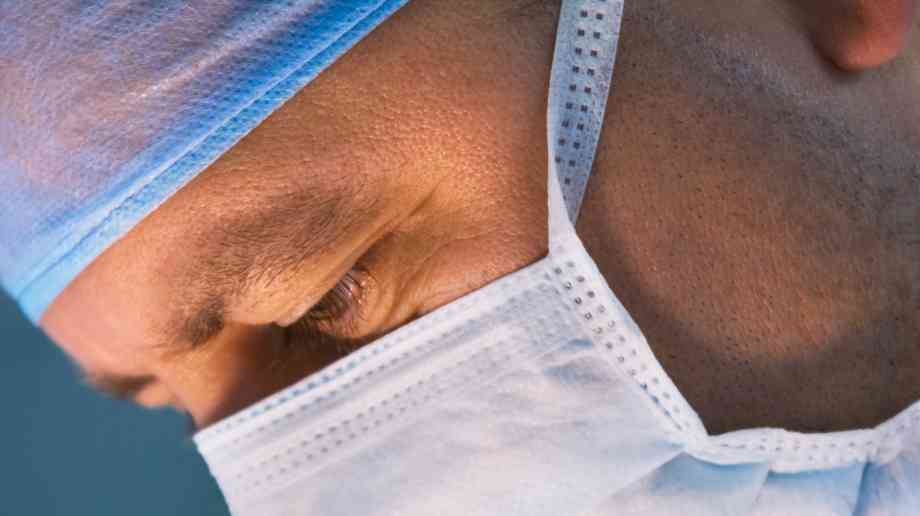
Internal emails show that supply problems recently prompted the hospital’s chief executive, Andrea Young, to warn staff about a severe shortage of face masks, which help hinder the spread of infections.
Nick Scriven, president of the Society for Acute Medicine, said: “I’ve heard from several colleagues in acute medicine that their trusts have significant shortages of essential equipment such as bilevel positive airway [BiPaP] ventilators, which are needed in this surge of respiratory illness and IT kit – computers – on extra-capacity wards needed to complete patient records and proceed with [giving] care.
“I have also heard about a lack of basic items on extra wards such as blood tubes and cannulae, as well as beds, pillows and bedsheets. When staff have to urgently re-open areas [as temporary wards] and there is literally no kit then there is a panic procurement.”
Janet Davies, chief executive of the Royal College of Nursing, said: “We know that hospitals are constantly short of beds. But the idea that some are dangerously low, or are even running out of vital medical equipment like ventilators and oxygen cylinders would horrify the public.
“At the other end of the scale, hospitals should not be struggling to get hold of enough pillows and face masks, which are hardly luxury items.”
A Department for Health and Social Care spokesperson said: "As part of its thorough and robust planning for winter, which was supported by an extra £437 million in government funding, the NHS should have sufficient supplies to deal with periods of increased demand. If there are shortages, national NHS organisations are ready to work with hospitals to ensure a steady supply as patients would expect.”
Latest News

16/02/2024 - 12:56
Hammersmith and Fulham Council has created a new alliance intended to clean dirty air and improve residents' health.

16/02/2024 - 10:44
Two million more GP appointments a month are being delivered for patients compared to the same month before the pandemic as part of the NHS primary care access recovery plan according to new NHS data.

15/02/2024 - 10:26
The Welsh Government has provided innovation funding of £380,000 to support two projects utilising technology in domiciliary care.

15/02/2024 - 10:13
The new Scottish health secretary has met with frontline staff at Queen Elizabeth University Hospital in Glasgow.

14/02/2024 - 10:27
The North East London NHS Foundation Trust (NELFT) has appointed three new Executive Directors to the Trust Board.
Product Features

UK Building Regulations highlight toxic gas and smoke from layers of paint built up over multiple redecorations as a major cause of permanent ill health or death in a building fire.
Their concern rose with discovery the flame retardant paints most widely used paint along escape routes have been ones which to this day counter-productively use emission of heavy toxic gas to smother flames which rapidly spread along walls if layers of paint delaminate in a fire.
Supplier Profiles

Northwich’s Victoria Infirmary (VIN) Community Diagnostic Centre (CDC) has enabled more patients

Adveco, the commercial hot water specialist, announces the launch of live metering of domestic ho
Latest Features

Sarah Greenslade, public affairs and communications officer at the British Parking Association looks at some of the problems and innovations in healthcare parking

It’s easy to assume that the comms team is there to handle press enquiries and the occasional social media storm – but the reality is that strategic communications can make a measurable impact across the entire organisation, from operational to financial, when done properly


