
This story was first published in digitalhealth.net

Smaller doses of monkeypox vaccine to be trialled
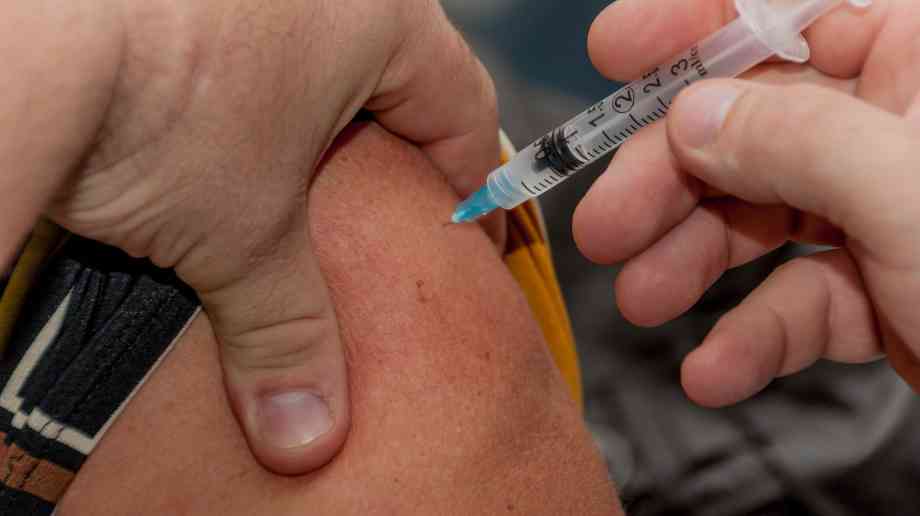
A pilot is set to begin at three NHS sites to offer eligible patients a smaller dose of the monkeypox vaccine in order the stretch the existing supply. The smaller dose is said to be equally effective.
The approach is known as fractional dosing, is clinically approved and has been used in other worldwide outbreaks when vaccine supplies are low.
The pilot will be introduced in one clinic in Manchester and two in London.
In the pilot, those eligible will be offered a 0.1ml dose of the smallpox Jynneos vaccine, instead of a 0.5ml dose.
It is believed the approach will enable up to a 5-fold increase in the number of people that can be offered vaccination.
The UK Health Security Agency (UKHSA) said it had reviewed the evidence in detail alongside the Joint Committee on Vaccination and Immunisation (JCVI) and they are working with NHS England to test the feasibility of the approach at pilot clinics.
Dr Mary Ramsay, Head of Immunisation at UKHSA, said: "Global supplies of the smallpox vaccine used to combat monkeypox are limited but we acted early to ensure the UK obtained the maximum number of doses available.
"Adopting this tried and tested technique will help to maximise the reach of our remaining stock, including the 100,000 doses due to arrive in the country next month, potentially enabling us to offer protection for many more thousands of people.
"We will continue to remain agile in our response to the monkeypox outbreak and will adapt our approach as new science and advice becomes available."
Dr Claire Dewsnap, President of the British Association for Sexual Health and HIV (BASHH), said: "BASHH absolutely supports the UKHSA led fractional dosing pilots, assessing feasibility in UK sexual health clinics. If acceptable, this would offer us the opportunity to roll out vaccine to those eligible much faster and would address the issues of short supply of vaccine across the world."
Image: Pixabay
Latest News

16/02/2024 - 12:56
Hammersmith and Fulham Council has created a new alliance intended to clean dirty air and improve residents' health.

16/02/2024 - 10:44
Two million more GP appointments a month are being delivered for patients compared to the same month before the pandemic as part of the NHS primary care access recovery plan according to new NHS data.

15/02/2024 - 10:26
The Welsh Government has provided innovation funding of £380,000 to support two projects utilising technology in domiciliary care.

15/02/2024 - 10:13
The new Scottish health secretary has met with frontline staff at Queen Elizabeth University Hospital in Glasgow.

14/02/2024 - 10:27
The North East London NHS Foundation Trust (NELFT) has appointed three new Executive Directors to the Trust Board.
Product Features

UK Building Regulations highlight toxic gas and smoke from layers of paint built up over multiple redecorations as a major cause of permanent ill health or death in a building fire.
Their concern rose with discovery the flame retardant paints most widely used paint along escape routes have been ones which to this day counter-productively use emission of heavy toxic gas to smother flames which rapidly spread along walls if layers of paint delaminate in a fire.
Supplier Profiles

Northwich’s Victoria Infirmary (VIN) Community Diagnostic Centre (CDC) has enabled more patients

Adveco, the commercial hot water specialist, announces the launch of live metering of domestic ho
Latest Features

Sarah Greenslade, public affairs and communications officer at the British Parking Association looks at some of the problems and innovations in healthcare parking

It’s easy to assume that the comms team is there to handle press enquiries and the occasional social media storm – but the reality is that strategic communications can make a measurable impact across the entire organisation, from operational to financial, when done properly


