
This story was first published in digitalhealth.net

Scottish study reveals affects of Covid on the heart's right side
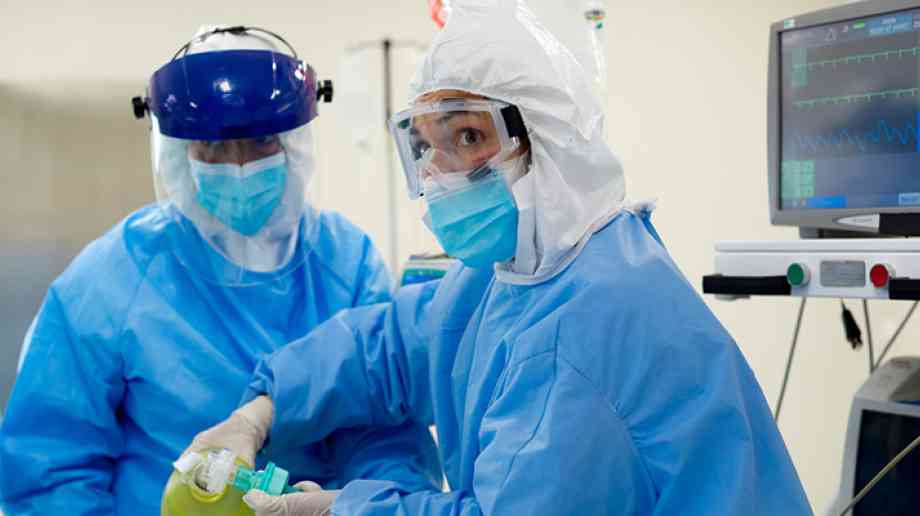
A study led by NHS Golden Jubilee and the University of Glasgow into the effects of COVID-19 on Scottish patients in Intensive Care Units (ICUs) has confirmed evidence that the virus is associated with impaired function of the right side of the heart.
Specialists at NHS Golden Jubilee’s University National Hospital say that these findings could play a vital role in not only saving the lives of COVID-19 patients, but for the care of potentially fatal heart and lung issues generally, as well as helping prepare for any possible future pandemic.
The study carried out in 10 ICUs across the country, examining 121 critically ill patients who were receiving treatment on ventilators due to the impact of Coronavirus on their system.
Lead Author of the study Dr Philip McCall, Honorary clinical senior lecturer at the University of Glasgow and Consultant in Cardiothoracic Anaesthesia and Intensive Care at NHS Golden Jubilee, said:
“A combination of factors create the perfect storm for COVID-19 to damage the right side of your heart, which ultimately can cause death.
“If you’re pumping blood to the lungs and the lungs become very sick, you have an additional problem because the lungs are not willing to receive blood.
“This is a very difficult condition to spot, unless you are specifically looking for it. That is why the results of this study are so important. We now know that COVID-19 is a problem associated with not just ventilation, but can affect the heart.”
Chief Investigator of the study Dr Ben Shelley, Consultant in Anaesthesia and Intensive Care at NHS Golden Jubilee, said:
“The study has revealed that there is no doubt COVID-19 affects the heart and has a major impact on outcomes for the patient.
“However, now that we know this actually happens, and have a better understanding of how it affects people, we can plan for the future and put in place new care plans and treatments to help combat this.
“For example, ultrasound scans can be used differently to focus in on early warning signs and areas we now know to be at risk"
The study was funded by Medical Research Scotland through Dr McCall’s and Dr Shelley’s roles in the Anaesthesia, Critical Care and Peri-Operative Medicine Research Group at University of Glasgow and sponsored and administrated by staff in the Golden Jubilee Research Institute.
The Golden Jubilee University National Hospital, based in Clydebank, has a proven track record in carrying out major studies into heart and lung conditions.
Latest News

16/02/2024 - 12:56
Hammersmith and Fulham Council has created a new alliance intended to clean dirty air and improve residents' health.

16/02/2024 - 10:44
Two million more GP appointments a month are being delivered for patients compared to the same month before the pandemic as part of the NHS primary care access recovery plan according to new NHS data.

15/02/2024 - 10:26
The Welsh Government has provided innovation funding of £380,000 to support two projects utilising technology in domiciliary care.

15/02/2024 - 10:13
The new Scottish health secretary has met with frontline staff at Queen Elizabeth University Hospital in Glasgow.

14/02/2024 - 10:27
The North East London NHS Foundation Trust (NELFT) has appointed three new Executive Directors to the Trust Board.
Product Features

UK Building Regulations highlight toxic gas and smoke from layers of paint built up over multiple redecorations as a major cause of permanent ill health or death in a building fire.
Their concern rose with discovery the flame retardant paints most widely used paint along escape routes have been ones which to this day counter-productively use emission of heavy toxic gas to smother flames which rapidly spread along walls if layers of paint delaminate in a fire.
Supplier Profiles

Northwich’s Victoria Infirmary (VIN) Community Diagnostic Centre (CDC) has enabled more patients

Adveco, the commercial hot water specialist, announces the launch of live metering of domestic ho
Latest Features

Sarah Greenslade, public affairs and communications officer at the British Parking Association looks at some of the problems and innovations in healthcare parking

It’s easy to assume that the comms team is there to handle press enquiries and the occasional social media storm – but the reality is that strategic communications can make a measurable impact across the entire organisation, from operational to financial, when done properly


