
This story was first published in digitalhealth.net

NHS staff need time to recover, or will leave
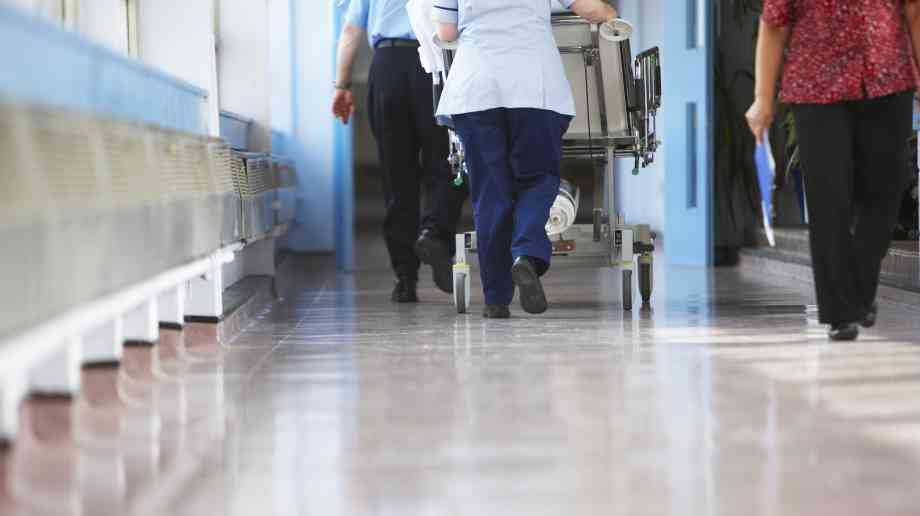
The NHS Confederation has warned that the NHS risks losing thousands of nurses, doctors and other key workers in the longer term unless they are given the time and space to recover from the pandemic.
In a new report, the NHS body says that without time and space to recuperate the government will fail to meet its key manifesto target of recruiting an extra 50,000 nurses, and it will take even longer for the NHS to address the impact of the pandemic on waiting times and other services.
While the NHS is starting to see an increase in applications to degree level courses, this is set against the backdrop of levels of stress and burnout due to the last 12 months, which threatens to increase NHS vacancies. The NHS has close to 90,000 vacant posts, and results from the biggest survey of NHS staff, published earlier this month, show that almost two thirds of NHS staff believe there are not enough people in their organisations to enable them to do their job properly. More than four in ten say they feel unwell as result of their job, a figure that rises to half of all staff working in frontline coronavirus care.
The Putting people first paper calls on the government to act now to avert a staffing crisis in the NHS as the country prepares to emerge from a year of restrictions. With the NHS still facing the threat from coronavirus and a massive backlog of treatment, there is a real risk that exhausted NHS staff may leave their roles unless expectations of their workload mean they are allowed time to recover.
Danny Mortimer, chief executive of the NHS Confederation, said: “The people who work in the NHS are at its heart, and we must acknowledge that they have experienced a year like no other. We know that many staff will have been traumatised by what they have seen and experienced in recent months.
“There will be a temptation – not least amongst the teams themselves - to dive straight into tackling the waiting list for care that has ballooned to 4.6 million. But NHS leaders are clear that the NHS cannot bounce back without first giving NHS staff the time, space and support they need to properly recover. If we don’t look after them, then we cannot hope to look after patients.
“If we are going to get the NHS back on track, then we have to put the wellbeing of staff at the centre of our recovery plans and give them everything they need to get themselves back on track. This must be underpinned by urgent investment to address long-standing vacancies in nursing and other key professions - this is at the root of the long-term workload pressures facing the NHS and its people."
Amongst the series of actions recommended by the NHS Confederation, the report says hospital staff should be granted a period of decompression in the same way that armed forces personnel do after military deployments, as well as continued national investment in well-being hubs.
Latest News

16/02/2024 - 12:56
Hammersmith and Fulham Council has created a new alliance intended to clean dirty air and improve residents' health.

16/02/2024 - 10:44
Two million more GP appointments a month are being delivered for patients compared to the same month before the pandemic as part of the NHS primary care access recovery plan according to new NHS data.

15/02/2024 - 10:26
The Welsh Government has provided innovation funding of £380,000 to support two projects utilising technology in domiciliary care.

15/02/2024 - 10:13
The new Scottish health secretary has met with frontline staff at Queen Elizabeth University Hospital in Glasgow.

14/02/2024 - 10:27
The North East London NHS Foundation Trust (NELFT) has appointed three new Executive Directors to the Trust Board.
Product Features

UK Building Regulations highlight toxic gas and smoke from layers of paint built up over multiple redecorations as a major cause of permanent ill health or death in a building fire.
Their concern rose with discovery the flame retardant paints most widely used paint along escape routes have been ones which to this day counter-productively use emission of heavy toxic gas to smother flames which rapidly spread along walls if layers of paint delaminate in a fire.
Supplier Profiles

Northwich’s Victoria Infirmary (VIN) Community Diagnostic Centre (CDC) has enabled more patients

Adveco, the commercial hot water specialist, announces the launch of live metering of domestic ho
Latest Features

Sarah Greenslade, public affairs and communications officer at the British Parking Association looks at some of the problems and innovations in healthcare parking

It’s easy to assume that the comms team is there to handle press enquiries and the occasional social media storm – but the reality is that strategic communications can make a measurable impact across the entire organisation, from operational to financial, when done properly


