
This story was first published in digitalhealth.net

Government announces review of hospital food
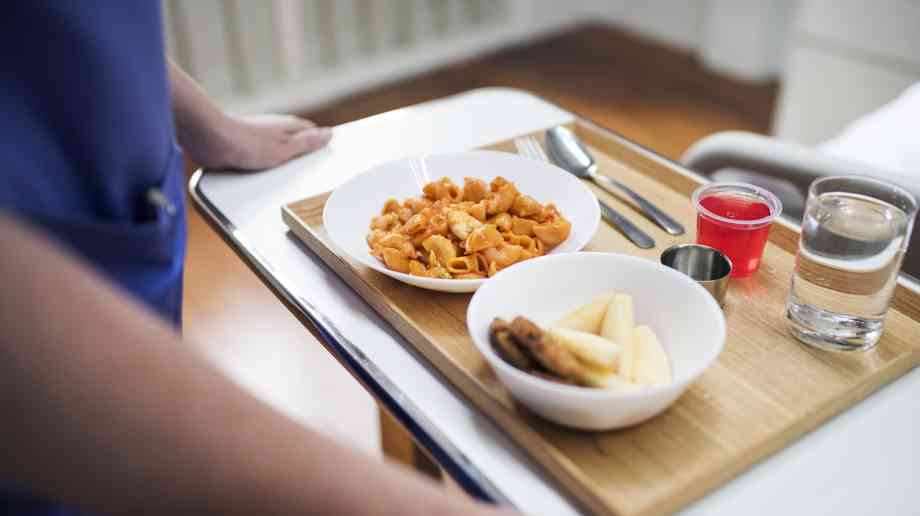
The Department of Health and Social Care has announced that it will work with the NHS to improve food quality in hospitals and provide consistently safe, nutritious and tasty food.
The review will explore how to increase the number of hospitals with their own kitchens and who have their own chefs, as well as considering how food can help aid faster recovery, how to source food services locally and reduce reliance on frozen or packaged foods, alongside new systems to monitor food safety and quality more transparently, including looking at how NHS boards are held to account.
Chair of the Hospital Food Review, Phil Shelley, will meet with catering managers at trusts across the country, looking at best practice from those leading the way in food quality and innovation. The review will also analyse more healthy food options for NHS staff, particularly for those working overnight shifts and the sustainability and environmental impact of the whole supply chain.
Prime Minister Boris Johnson said: “Since entering Downing Street, my focus has been clear – to make sure our world-class NHS has everything it needs to continue providing the very best frontline care. Guaranteeing hospitals serve nutritional, tasty and fresh meals will not only aid patient recovery, but also fuel staff and visitors as they care for loved ones and the vulnerable. Our NHS has led the way since the day it was formed. This review will ensure it remains the standard-bearer for healthy choices, as it works unstintingly to improve the nation’s well-being.”
Matt Hancock, Health and Social Care Secretary, added: “We all know how important the food we eat is to our health. We have a duty to ensure this same level of attention is given to the food served to patients in hospital, or our brilliant NHS staff working tirelessly for patients – and indeed to visitors.
“When people are in hospital, they should be given all the help they can to get better – and that includes food. So I’m determined patients enjoy the best, most delicious and nutritious food to help them recover and leave hospital as quickly as possible. I’m delighted we’ve assembled a first-rate group to drive this agenda. I have seen first-hand how using fresh, locally-sourced ingredients and cooking from scratch have improved the quality of their meals and I want to help more hospitals follow suit by sharing what works best across the country.”
Jonathan Ashworth, Labour’s Shadow Health Secretary, commented: “Matt Hancock promised this review months ago and incompetence is why it has taken so long to be launched. Years of austerity mean that some hospitals are only spending close to £3 per patient a day on meals for patients – it’s an utter disgrace. Labour will invest in hospital catering, enforce mandatory minimum standards and bring catering back in-house.”
Alongside this, new national standards for healthcare food for patients, staff and visitors will be developed by NHS England, NHS Improvement and Public Health England (PHE).
Latest News

16/02/2024 - 12:56
Hammersmith and Fulham Council has created a new alliance intended to clean dirty air and improve residents' health.

16/02/2024 - 10:44
Two million more GP appointments a month are being delivered for patients compared to the same month before the pandemic as part of the NHS primary care access recovery plan according to new NHS data.

15/02/2024 - 10:26
The Welsh Government has provided innovation funding of £380,000 to support two projects utilising technology in domiciliary care.

15/02/2024 - 10:13
The new Scottish health secretary has met with frontline staff at Queen Elizabeth University Hospital in Glasgow.

14/02/2024 - 10:27
The North East London NHS Foundation Trust (NELFT) has appointed three new Executive Directors to the Trust Board.
Product Features

UK Building Regulations highlight toxic gas and smoke from layers of paint built up over multiple redecorations as a major cause of permanent ill health or death in a building fire.
Their concern rose with discovery the flame retardant paints most widely used paint along escape routes have been ones which to this day counter-productively use emission of heavy toxic gas to smother flames which rapidly spread along walls if layers of paint delaminate in a fire.
Supplier Profiles

Northwich’s Victoria Infirmary (VIN) Community Diagnostic Centre (CDC) has enabled more patients

Adveco, the commercial hot water specialist, announces the launch of live metering of domestic ho
Latest Features

Sarah Greenslade, public affairs and communications officer at the British Parking Association looks at some of the problems and innovations in healthcare parking

It’s easy to assume that the comms team is there to handle press enquiries and the occasional social media storm – but the reality is that strategic communications can make a measurable impact across the entire organisation, from operational to financial, when done properly


