
This story was first published in digitalhealth.net

Prison healthcare ‘dangerously under-doctored’
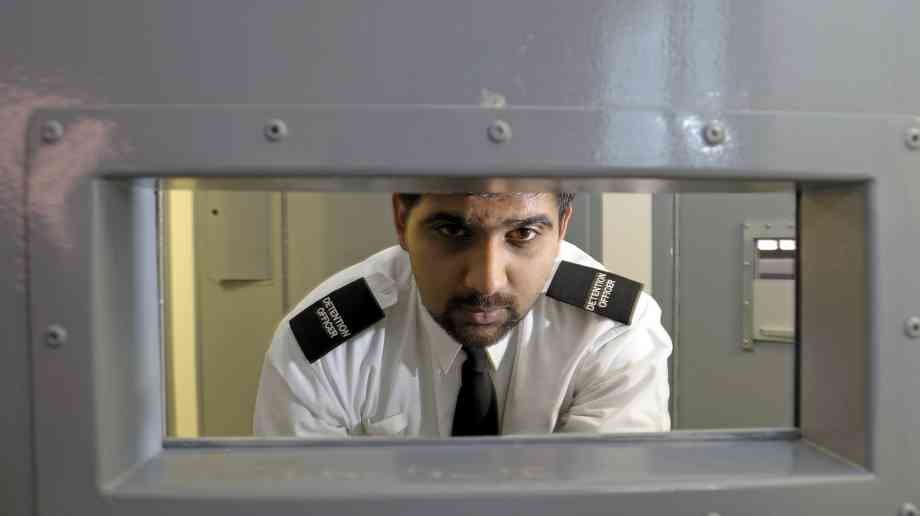
NHS doctors working in prisons have warned that the conditions in which they work are so unsafe and understaffed that the services would be shut down if they were outside the prison system, the Guardian has revealed.
In emails from an internal prison doctors’ email group seen by the Guardian, NHS staff tell of understaffed services and patients missing hospital appointments due to clerical errors or lack of escort.
Polly Backhouse, one of the doctors, who has worked in a category C prison for the past year, told the Guardian: “There are very few doctors in the field. There has been no regular doctor since February in one prison I’ve been working in. There is a high turnover of administrative staff with little support, so patients are lost to follow-up as they move through prisons.
“There is a higher than average percentage of chronic disease and no nursing or GP capacity to manage them. Healthcare is constantly at odds with prison staff as we ask for escorts that they don’t have. The first time I had to urgently admit a patient whose neck tumour was obstructing his breathing he had missed his two-week wait appointment due to an administrative error.
“There is little or no management support despite concerns being raised over and over again. This is a vulnerable and needy group of people who are being let down by an inadequate healthcare system.”
Another doctor said: “These complex patients need medical care.
“Currently we have fractured teams, and primary care degraded. The prison I am at has 1,250 [prisoners] and turnover of 6,000 [prisoners] a year. It needs two doctors every day. We have one. Great expense is created trying not to employ doctors. Lack of doctors mean we can do so much less for prisoners in-house. This leads to expensive escort costs to outside appointments and risks. Escort costs are billed to healthcare.”
A third GP said: “I am at a prison that is so dangerously under-doctored, together with a lack of clinic time forced by the regime that nurses add tasks, and keep adding, many of which [are] dangerous requests because nurses cannot get the patients seen.”
A spokeswoman for NHS England admitted that conditions in prisons were sometimes challenging, adding: “Healthcare staff working in prisons do work in what are sometimes challenging circumstances despite funding of £500m a year on related health and justice services. Local teams are working with the prison and probation service to create a supportive environment for staff to deliver the best care for inmates who are patients.”
A British Medical Association spokesperson said: “It is important that prison healthcare get proper levels of investment and support. Like other parts of the NHS, many local services are overstretched and struggling to cope with rising demand.”
The latest report from HM Inspectorate of Prisons also found that many prisons struggled to recruit healthcare staff of the right calibre and that health services in prisons were repeatedly impeded by the unavailability of prison officers and restrictive regimes.
Latest News

16/02/2024 - 12:56
Hammersmith and Fulham Council has created a new alliance intended to clean dirty air and improve residents' health.

16/02/2024 - 10:44
Two million more GP appointments a month are being delivered for patients compared to the same month before the pandemic as part of the NHS primary care access recovery plan according to new NHS data.

15/02/2024 - 10:26
The Welsh Government has provided innovation funding of £380,000 to support two projects utilising technology in domiciliary care.

15/02/2024 - 10:13
The new Scottish health secretary has met with frontline staff at Queen Elizabeth University Hospital in Glasgow.

14/02/2024 - 10:27
The North East London NHS Foundation Trust (NELFT) has appointed three new Executive Directors to the Trust Board.
Product Features

UK Building Regulations highlight toxic gas and smoke from layers of paint built up over multiple redecorations as a major cause of permanent ill health or death in a building fire.
Their concern rose with discovery the flame retardant paints most widely used paint along escape routes have been ones which to this day counter-productively use emission of heavy toxic gas to smother flames which rapidly spread along walls if layers of paint delaminate in a fire.
Supplier Profiles

Northwich’s Victoria Infirmary (VIN) Community Diagnostic Centre (CDC) has enabled more patients

Adveco, the commercial hot water specialist, announces the launch of live metering of domestic ho
Latest Features

Sarah Greenslade, public affairs and communications officer at the British Parking Association looks at some of the problems and innovations in healthcare parking

It’s easy to assume that the comms team is there to handle press enquiries and the occasional social media storm – but the reality is that strategic communications can make a measurable impact across the entire organisation, from operational to financial, when done properly


