
This story was first published in digitalhealth.net

Childhood respiratory infections rise ahead of winter
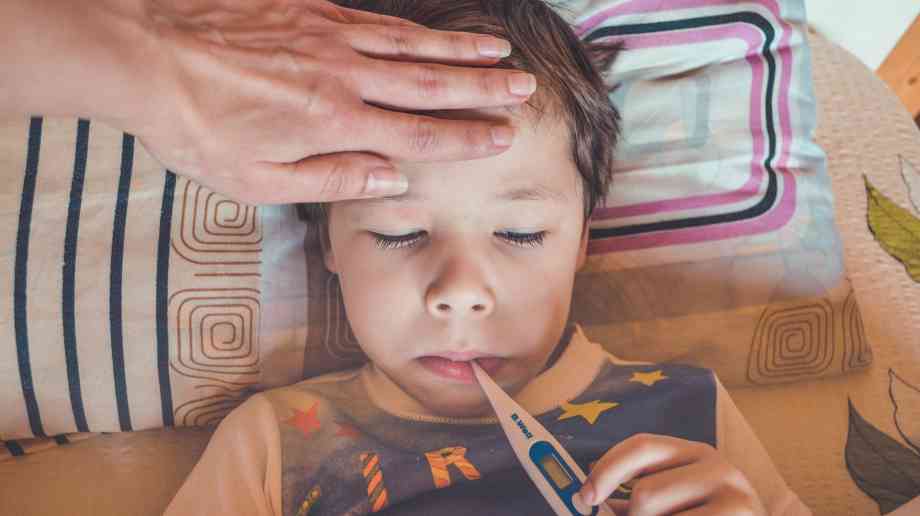
Health chiefs in England are encouraging parents to be aware of the signs of respiratory illnesses in young children, as data shows cases are starting to rise in parts of the country.
Respiratory illnesses, including colds and respiratory syncytial virus (RSV) are very common in young children and we see them every year. Last winter, due to the various restrictions in place to reduce the spread of coronavirus, there were far fewer infections in younger people. According to Public Health England, this means many will not have developed immunity and so we may see more cases this year than in a typical season.
The NHS is preparing for a rise in children needing treatment. Through the Respiratory DataMart surveillance system, positivity of samples tested for RSV has increased over the last five consecutive weeks and now stands at 8.9 per cent.
NHS England began planning for the potential rise in paediatric respiratory infections in April 2021, with paediatric units bringing forward their usual winter planning, escalation and emergency processes which will support an increased capacity in terms of beds, workforce and ward supplies.
Health Minister Lord Bethell said: “I remember the long nights in hospital when my eight week old daughter fought off RSV. The image of her tiny body plugged into those machines and gasping for air will not leave me. I would not wish those moments for anyone. I urge all parents and carers to be alert to the signs of RSV, particularly amongst young children. It’s a nasty bug, so watch out for it.”
Dr Yvonne Doyle, Medical Director at PHE, said: “This winter, we expect levels of common seasonal illnesses such as cold and flu to increase as people mix more and given that fewer people will have built up natural immunity during the pandemic. Children under two are at a particular risk of severe infections from common seasonal illnesses. If a child under two is suffering from a cold, keep a close eye on their symptoms and make sure to contact your doctor if they get a high temperature, become breathless or have difficulty feeding.
“It’s important that we carry on with good hygiene habits that we’ve become used to during the pandemic, in order to protect ourselves and those around us. This means washing your hands regularly, using a tissue to catch coughs or sneezes and washing your hands afterwards, and staying away from others if you feel unwell.”
Latest News

16/02/2024 - 12:56
Hammersmith and Fulham Council has created a new alliance intended to clean dirty air and improve residents' health.

16/02/2024 - 10:44
Two million more GP appointments a month are being delivered for patients compared to the same month before the pandemic as part of the NHS primary care access recovery plan according to new NHS data.

15/02/2024 - 10:26
The Welsh Government has provided innovation funding of £380,000 to support two projects utilising technology in domiciliary care.

15/02/2024 - 10:13
The new Scottish health secretary has met with frontline staff at Queen Elizabeth University Hospital in Glasgow.

14/02/2024 - 10:27
The North East London NHS Foundation Trust (NELFT) has appointed three new Executive Directors to the Trust Board.
Product Features

UK Building Regulations highlight toxic gas and smoke from layers of paint built up over multiple redecorations as a major cause of permanent ill health or death in a building fire.
Their concern rose with discovery the flame retardant paints most widely used paint along escape routes have been ones which to this day counter-productively use emission of heavy toxic gas to smother flames which rapidly spread along walls if layers of paint delaminate in a fire.
Supplier Profiles

Northwich’s Victoria Infirmary (VIN) Community Diagnostic Centre (CDC) has enabled more patients

Adveco, the commercial hot water specialist, announces the launch of live metering of domestic ho
Latest Features

Sarah Greenslade, public affairs and communications officer at the British Parking Association looks at some of the problems and innovations in healthcare parking

It’s easy to assume that the comms team is there to handle press enquiries and the occasional social media storm – but the reality is that strategic communications can make a measurable impact across the entire organisation, from operational to financial, when done properly


