
This story was first published in digitalhealth.net

Coronavirus exposed dilapidated mental health wards
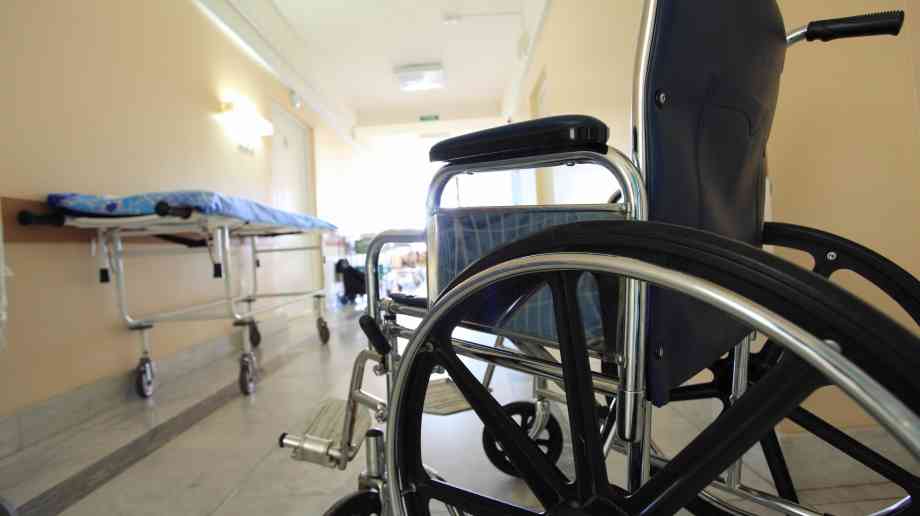
The Royal College of Psychiatrists has called for a ring-fenced investment of an additional £3.3 billion to significantly improve mental health facilities at the next Spending Review.
Psychiatrists say the the coronavirus crisis has exposed the danger of years of under-investment in unsafe and not fit-for-purpose mental health buildings, which are now ‘a disaster waiting to happen’.
New research by the college reveals that a third of clinicians in England feel that the quality of mental health buildings has compromised care for patients during the pandemic. It is essential that patients with the virus are isolated away from other patients – but 38 per cent of psychiatrists report that mental health buildings are unsuitable for safely separating patients with suspected or confirmed coronavirus.
Aside from coronavirus, analysis published in a new Royal College of Psychiatrists report reveals that trusts are struggling even to complete very high-risk repairs where there is a danger of catastrophic failure of care or serious injury. In 2018/19 almost £13 million worth of outstanding high-risk repairs in mental health and learning disability sites were reported – an increase of over 150 per cent on two years earlier.
The Royal College of Psychiatrists is calling for immediate action to reduce the risks posed by a second wave of coronavirus this winter as well as to ensure high-quality and safe mental health services into the future.
Specifically, among other proposed investments, the college is calling for: £376 million (25 per cent) of the Prime Minister’s recently announced £1.5 billion of NHS capital funding for 2020/21 to be ring-fenced for mental health NHS trusts, including the £250 million confirmed funding as a significant and welcome step on the road to eradicating dormitory wards and at least £126 million to support mental health services in the immediate term; a £1 billion building and redevelopment programme to enable 12 major mental health projects to be completed by 2030; £950 million to improve the therapeutic environment of mental health and learning disability/autism inpatient services; and £450 million for new building and redevelopment schemes for community mental health facilities as part of the significant expansion of services outlined in the NHS Long Term Plan.
Adrian James, President of the Royal College of Psychiatrists, said: “Covid-19 brutally exposed the years of neglect that left some mental health services struggling to control infection. The Prime Minister’s recent announcement of investment is timely, but we need an urgent and immediate injection of cash to prepare buildings for the next Covid-19 wave – followed by substantial long-term investment. This devastating pandemic presents us with an opportunity to learn and invest to make our mental health facilities the best in the world.”
Latest News

16/02/2024 - 12:56
Hammersmith and Fulham Council has created a new alliance intended to clean dirty air and improve residents' health.

16/02/2024 - 10:44
Two million more GP appointments a month are being delivered for patients compared to the same month before the pandemic as part of the NHS primary care access recovery plan according to new NHS data.

15/02/2024 - 10:26
The Welsh Government has provided innovation funding of £380,000 to support two projects utilising technology in domiciliary care.

15/02/2024 - 10:13
The new Scottish health secretary has met with frontline staff at Queen Elizabeth University Hospital in Glasgow.

14/02/2024 - 10:27
The North East London NHS Foundation Trust (NELFT) has appointed three new Executive Directors to the Trust Board.
Product Features

UK Building Regulations highlight toxic gas and smoke from layers of paint built up over multiple redecorations as a major cause of permanent ill health or death in a building fire.
Their concern rose with discovery the flame retardant paints most widely used paint along escape routes have been ones which to this day counter-productively use emission of heavy toxic gas to smother flames which rapidly spread along walls if layers of paint delaminate in a fire.
Supplier Profiles

Northwich’s Victoria Infirmary (VIN) Community Diagnostic Centre (CDC) has enabled more patients

Adveco, the commercial hot water specialist, announces the launch of live metering of domestic ho
Latest Features

Sarah Greenslade, public affairs and communications officer at the British Parking Association looks at some of the problems and innovations in healthcare parking

It’s easy to assume that the comms team is there to handle press enquiries and the occasional social media storm – but the reality is that strategic communications can make a measurable impact across the entire organisation, from operational to financial, when done properly


