
This story was first published in digitalhealth.net

10 portions of fruit and veg a day could prevent premature deaths, study suggests
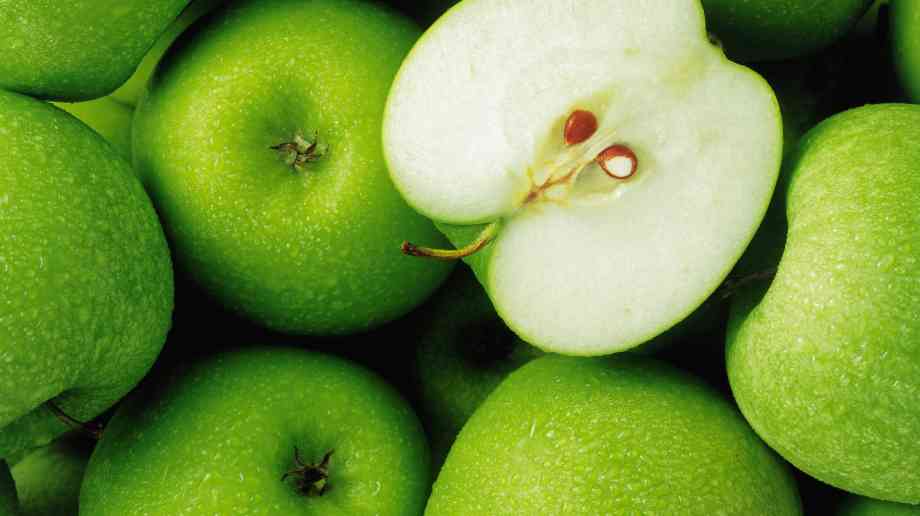
Research from Imperial College London has calculated that eating 10 portions, (or 800g) of fruit and vegetables every day could prevent 7.8 million premature deaths each year.
The researchers pooled data on 95 separate studies, involving two million people's eating habits and identified specific fruit and veg that reduced the risk of cancer and heart disease.
It found lower risks of cancer were linked to eating: green veg; yellow veg; and cruciferous vegetables, such as cauliflower.
Meanwhile, lower risks of heart disease and strokes were linked to eating: apples; pears; citrus fruits; salads; green leafy vegetables; and cruciferous veg.
The results, published in the International Journal of Epidemiology, also assessed the risk of dying before your time.
Compared with eating no fruit or veg a day, it showed: 200g cut the risk of cardiovascular disease by 13 per cent while 800g cut the risk by 28 per cent; 200g cut the risk of cancer by four per cent, while 800g cut the risk by 13 per cent; and 200g cut the risk of a premature death by 15 per cent, while 800g cut the risk by 31 per cent.
Dr Dagfinn Aune, one of the researchers from the study, explained: "Fruit and vegetables have been shown to reduce cholesterol levels, blood pressure, and to boost the health of our blood vessels and immune system. This may be due to the complex network of nutrients they hold. For instance they contain many antioxidants, which may reduce DNA damage, and lead to a reduction in cancer risk."
"Most likely it is the whole package of beneficial nutrients you obtain by eating fruits and vegetables that is crucial is health. This is why it is important to eat whole plant foods to get the benefit, instead of taking antioxidant or vitamin supplements (which have not been shown to reduce disease risk)."
"We need further research into the effects of specific types of fruits and vegetables and preparation methods of fruit and vegetables. We also need more research on the relationship between fruit and vegetable intake with causes of death other than cancer and cardiovascular disease. However, it is clear from this work that a high intake of fruit and vegetables hold tremendous health benefits, and we should try to increase their intake in our diet."
Current UK guidelines advise eating at least five portions of fruit and veg per day. However, statistics show fewer than one in three UK adults are thought to meet this target.
Dr Alison Tedstone, chief nutritionist at Public Health England, said: "The five-a-day target is the foundation of a healthy balanced diet and is an achievable way to help prevent a number of diseases.
"Whilst consuming more than five portions of fruit and vegetables a day may be desirable... adding pressure to consume more fruit and vegetables creates an unrealistic expectation."
Latest News

16/02/2024 - 12:56
Hammersmith and Fulham Council has created a new alliance intended to clean dirty air and improve residents' health.

16/02/2024 - 10:44
Two million more GP appointments a month are being delivered for patients compared to the same month before the pandemic as part of the NHS primary care access recovery plan according to new NHS data.

15/02/2024 - 10:26
The Welsh Government has provided innovation funding of £380,000 to support two projects utilising technology in domiciliary care.

15/02/2024 - 10:13
The new Scottish health secretary has met with frontline staff at Queen Elizabeth University Hospital in Glasgow.

14/02/2024 - 10:27
The North East London NHS Foundation Trust (NELFT) has appointed three new Executive Directors to the Trust Board.
Product Features

UK Building Regulations highlight toxic gas and smoke from layers of paint built up over multiple redecorations as a major cause of permanent ill health or death in a building fire.
Their concern rose with discovery the flame retardant paints most widely used paint along escape routes have been ones which to this day counter-productively use emission of heavy toxic gas to smother flames which rapidly spread along walls if layers of paint delaminate in a fire.
Supplier Profiles

Northwich’s Victoria Infirmary (VIN) Community Diagnostic Centre (CDC) has enabled more patients

Adveco, the commercial hot water specialist, announces the launch of live metering of domestic ho
Latest Features

Sarah Greenslade, public affairs and communications officer at the British Parking Association looks at some of the problems and innovations in healthcare parking

It’s easy to assume that the comms team is there to handle press enquiries and the occasional social media storm – but the reality is that strategic communications can make a measurable impact across the entire organisation, from operational to financial, when done properly


