
This story was first published in digitalhealth.net

NHS braced for worse winter than last year
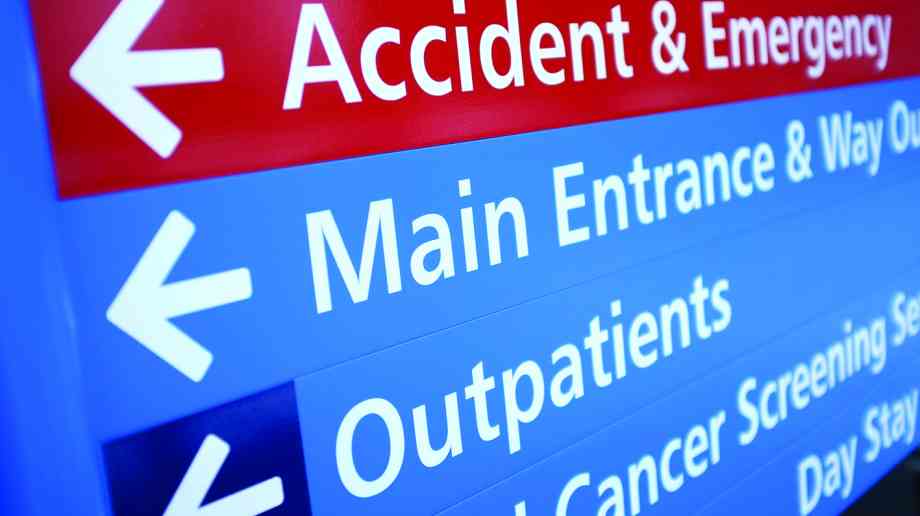
A new report from NHS Providers has warned that the coming winter is likely to be even more difficult than the last for trusts, staff and patients.
Last year NHS trusts and frontline staff made extraordinary efforts to maintain the quality of services for patients and service users through the winter in the face of a relentless rise in demand for care, compounded by the worst flu strain in seven years. Nonetheless, the quality of care fell short of what the public rightly expects.
Steeling ourselves for winter 2018/19 examines how resilient the sector is to the pressures it will face this coming winter, highlighting areas where the challenges for the coming winter are even greater than this time last year.
Based on published national data and detailed perspectives from trust leaders, the new NHS Providers report sets out the balance of risks and benefits compared with 12 months ago. Factors pointing to better care this year include the impact of £145 million extra capital funding for buildings and equipment and the recent announcement of £240 million extra funding for social care.
However, factors suggesting winter could be worse this time include: continued acceleration in demand for care, significantly outstripping planning estimates; worse A&E performance so far this year; pressure across all other hospital activity restricting ability to prioritise urgent care; greater pressure across mental health, community and ambulance services; higher levels of staff vacancies; and weaker state of social care, even when accounting for the extra £240 million, and more fragile primary care.
Saffron Cordery, deputy chief executive of NHS Providers, said: “As attention turns to what this winter will bring, there are many improvements which have been put in place to welcome. Extra funding for capital projects and additional social care funding has enabled some trusts to better prepare and will provide some help in ensuring patients who don’t need to be in hospital have appropriate care at home or in the community.
“But there are clear warning signs. Performance is in a worse position going into this winter than last. Staff shortages are growing, putting additional strain on a workforce already overstretched during an exceptionally busy summer. The NHS remains under significant financial pressure with the additional funding announced by the prime minister only due to start flowing from next April. And the loss of dedicated winter funding has restricted what trusts can do to prepare for the most challenging time of the year. All things considered, trusts fear that this coming winter will be more difficult than the last.
“We must escape the current and unsustainable cycle of severe winter pressures, which leaves the service playing catch up throughout the rest of the year. The long-term plan represents an opportunity to do this but we must be realistic about what resource is needed, and where it is needed, to meet future demand and recover performance.”
Latest News

16/02/2024 - 12:56
Hammersmith and Fulham Council has created a new alliance intended to clean dirty air and improve residents' health.

16/02/2024 - 10:44
Two million more GP appointments a month are being delivered for patients compared to the same month before the pandemic as part of the NHS primary care access recovery plan according to new NHS data.

15/02/2024 - 10:26
The Welsh Government has provided innovation funding of £380,000 to support two projects utilising technology in domiciliary care.

15/02/2024 - 10:13
The new Scottish health secretary has met with frontline staff at Queen Elizabeth University Hospital in Glasgow.

14/02/2024 - 10:27
The North East London NHS Foundation Trust (NELFT) has appointed three new Executive Directors to the Trust Board.
Product Features

UK Building Regulations highlight toxic gas and smoke from layers of paint built up over multiple redecorations as a major cause of permanent ill health or death in a building fire.
Their concern rose with discovery the flame retardant paints most widely used paint along escape routes have been ones which to this day counter-productively use emission of heavy toxic gas to smother flames which rapidly spread along walls if layers of paint delaminate in a fire.
Supplier Profiles

Northwich’s Victoria Infirmary (VIN) Community Diagnostic Centre (CDC) has enabled more patients

Adveco, the commercial hot water specialist, announces the launch of live metering of domestic ho
Latest Features

Sarah Greenslade, public affairs and communications officer at the British Parking Association looks at some of the problems and innovations in healthcare parking

It’s easy to assume that the comms team is there to handle press enquiries and the occasional social media storm – but the reality is that strategic communications can make a measurable impact across the entire organisation, from operational to financial, when done properly


