
This story was first published in digitalhealth.net

Polio detected in East London sewage works
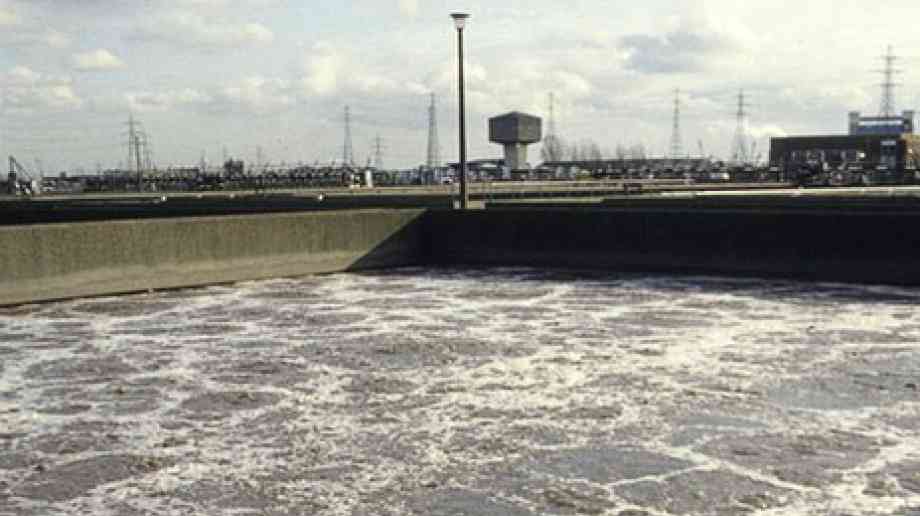
The UK Heath Security Agency has reported that poliovirus has been detected in sewage samples collected from the London Beckton Sewage Treatment Works in East London.
Investigations are underway after several closely-related viruses were found in sewage samples taken between February and May.
The UKHSA said the virus has continued to evolve and is now classified as a ‘vaccine-derived’ poliovirus type 2 (VDPV2), which on rare occasions can cause serious illness, such as paralysis, in people who are not fully vaccinated.
The detection of a VDPV2 suggests it is likely there has been some spread between closely-linked individuals in North and East London and that they are now shedding the type 2 poliovirus strain in their faeces.
Operated by Thames Water, Beckton Sewage Treatment Works is the largest sewage treatment works in Europe.
Dr. Vanessa Saliba, consultant epidemiologist at UKHSA, said:
“We are urgently investigating to better understand the extent of this transmission and the NHS has been asked to swiftly report any suspected cases to the UKHSA, though no cases have been reported or confirmed so far,” Dr. Vanessa Saliba, consultant epidemiologist at UKHSA, said Wednesday.
The findings mark the first re-emergence of the virus since Britain was declared polio-free in 2003. The following year, Britain switched from using an oral polio vaccine to an inactivated polio vaccine, which is administered via injection and prevents infection.
Jane Clegg, Chief nurse for the NHS in London said:
"The majority of Londoners are fully protected against Polio and won’t need to take any further action, but the NHS will begin reaching out to parents of children aged under 5 in London who are not up to date with their Polio vaccinations to invite them to get protected."
Image: John Rostron / Beckton STP
Latest News

16/02/2024 - 12:56
Hammersmith and Fulham Council has created a new alliance intended to clean dirty air and improve residents' health.

16/02/2024 - 10:44
Two million more GP appointments a month are being delivered for patients compared to the same month before the pandemic as part of the NHS primary care access recovery plan according to new NHS data.

15/02/2024 - 10:26
The Welsh Government has provided innovation funding of £380,000 to support two projects utilising technology in domiciliary care.

15/02/2024 - 10:13
The new Scottish health secretary has met with frontline staff at Queen Elizabeth University Hospital in Glasgow.

14/02/2024 - 10:27
The North East London NHS Foundation Trust (NELFT) has appointed three new Executive Directors to the Trust Board.
Product Features

UK Building Regulations highlight toxic gas and smoke from layers of paint built up over multiple redecorations as a major cause of permanent ill health or death in a building fire.
Their concern rose with discovery the flame retardant paints most widely used paint along escape routes have been ones which to this day counter-productively use emission of heavy toxic gas to smother flames which rapidly spread along walls if layers of paint delaminate in a fire.
Supplier Profiles

Northwich’s Victoria Infirmary (VIN) Community Diagnostic Centre (CDC) has enabled more patients

Adveco, the commercial hot water specialist, announces the launch of live metering of domestic ho
Latest Features

Sarah Greenslade, public affairs and communications officer at the British Parking Association looks at some of the problems and innovations in healthcare parking

It’s easy to assume that the comms team is there to handle press enquiries and the occasional social media storm – but the reality is that strategic communications can make a measurable impact across the entire organisation, from operational to financial, when done properly


