
This story was first published in digitalhealth.net

Blood on Board trial saves more lives, charity confirms
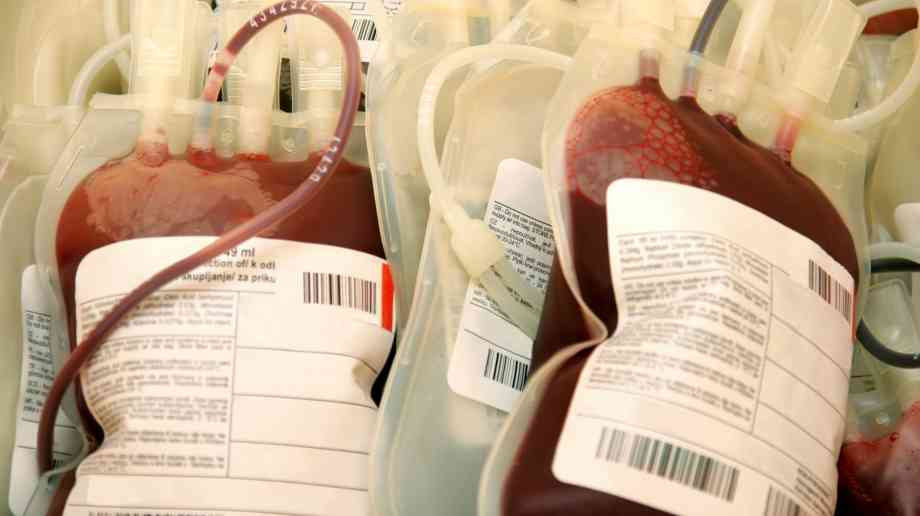
More lives have been saved during a trial in which blood plasma was carried on-board the Great North Air Ambulances (GNAA).
The 'Blood on Board' trial involved enabling aircraft to carry defrosted fresh frozen plasma, ready for quick blood transfusions.
During the five month trial, 376 cool boxes were prepared and delivered split 50:50 with blood and blood + plasma; 36 patients received ‘blood on board’; three patients who survived were ‘unexpected survivors; and 50 per cent of patients were involved a road traffic accident; 15% had had a serious fall and 12.5 per cent were victims of stabbings.
The 'Blood on Board' technique will now be adopted on both of the Henry Surtees Foundation’s active aircraft, and will continue to be monitored to ensure it is working effectively.
Dr Rachel Hawes, GNAAS aircrew doctor and Consultant in Anaesthesia & Pre-Hospital Emergency Medicine at Newcastle’s Royal Victoria Infirmary (RVI), commented: “We’re delighted to see evidence that using fresh frozen plasma alongside red blood cell transfusions, when stabilising patients with life threatening injuries, has had such a positive impact. Across the first five months of the new trial we have seen three unexpected survivors which is fantastic news.
“In fact we treated 36 patients using the blood on board technique during these five months – this compares to 37 throughout the whole of our first year practising ‘Blood on Board’. This shows how much this new approach has become routine practice when needed, and means that major trauma patients are alive today because of the rapid transfusions they received at the scene of their accident.”
Hawes added: “None of this life-saving work would be possible without our partnership with our Blood Bike colleagues and the Henry Surtees Foundation. And of course we extend huge thanks to the public who raise huge amounts of money every single day to help us give more and more people the best possible chance of surviving life-threatening injuries.”
Latest News

16/02/2024 - 12:56
Hammersmith and Fulham Council has created a new alliance intended to clean dirty air and improve residents' health.

16/02/2024 - 10:44
Two million more GP appointments a month are being delivered for patients compared to the same month before the pandemic as part of the NHS primary care access recovery plan according to new NHS data.

15/02/2024 - 10:26
The Welsh Government has provided innovation funding of £380,000 to support two projects utilising technology in domiciliary care.

15/02/2024 - 10:13
The new Scottish health secretary has met with frontline staff at Queen Elizabeth University Hospital in Glasgow.

14/02/2024 - 10:27
The North East London NHS Foundation Trust (NELFT) has appointed three new Executive Directors to the Trust Board.
Product Features

UK Building Regulations highlight toxic gas and smoke from layers of paint built up over multiple redecorations as a major cause of permanent ill health or death in a building fire.
Their concern rose with discovery the flame retardant paints most widely used paint along escape routes have been ones which to this day counter-productively use emission of heavy toxic gas to smother flames which rapidly spread along walls if layers of paint delaminate in a fire.
Supplier Profiles

Northwich’s Victoria Infirmary (VIN) Community Diagnostic Centre (CDC) has enabled more patients

Adveco, the commercial hot water specialist, announces the launch of live metering of domestic ho
Latest Features

Sarah Greenslade, public affairs and communications officer at the British Parking Association looks at some of the problems and innovations in healthcare parking

It’s easy to assume that the comms team is there to handle press enquiries and the occasional social media storm – but the reality is that strategic communications can make a measurable impact across the entire organisation, from operational to financial, when done properly


