
This story was first published in digitalhealth.net

Emergency clinics could prevent overnight hospital stays
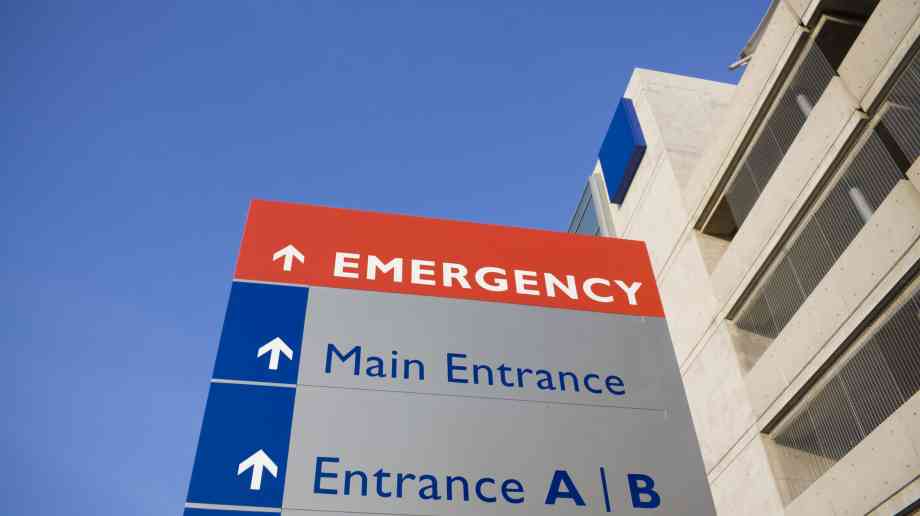
A new Society for Acute Medicine report has argued that better use of same-day emergency clinics could save at least 14,000 overnight hospital stays.
Warning that the NHS is ‘on borrowed time’, the Winter 2018/19 in the NHS: The solutions paper urges the government and NHS leaders to urgently realise the potential of ambulatory emergency care, offering an alternative to hospital admission for patients with serious medical problems who might otherwise have spent at least one night in a hospital bed.
Such an outpatient-based setting could be beneficial for those suffering from life-threatening blood clots, dislodged blood clots, cellulitis, seizures and anaemia, as well as a number of other conditions.
A Society for Acute Medicine audit, which covered 127 acute medical units and 6,114 patients over a 24-hour period in June, revealed that only 20.1 per cent of patients received their first assessment in ambulatory emergency care and, of these, 79.5 per cent returned home the same day – saving 977 overnight bed stays.
As small as a five per cent rise in the number of patients who receive their first assessment and subsequent treatment in ambulatory emergency care could save an additional 238 overnight bed stays – equating to 14,042 overnight admissions over January and February.
Nick Scriven, president of the Society for Acute Medicine, said: “AEC has obvious benefits for the patient in that they usually remain in their own clothes, remain mobile and get to sleep in their own beds while, for the hospitals, it is a way of alleviating overnight bed pressures. Given how much pressure we are all under, it would seem reasonable to look at how much could be achieved with investment in this area. From our projections, just a five per cent increase in the number of emergency patients being seen in AEC could save at least 14,000 overnight beds days across the busiest winter months.”
Discussing the shortfall in hospital beds, Scriven emphasised the advantaged of AEC units being standard or uniform across the country, saying that a significant investment and national plan for this area is required to ‘evoke maximum benefit’ for patients and the service.
Latest News

16/02/2024 - 12:56
Hammersmith and Fulham Council has created a new alliance intended to clean dirty air and improve residents' health.

16/02/2024 - 10:44
Two million more GP appointments a month are being delivered for patients compared to the same month before the pandemic as part of the NHS primary care access recovery plan according to new NHS data.

15/02/2024 - 10:26
The Welsh Government has provided innovation funding of £380,000 to support two projects utilising technology in domiciliary care.

15/02/2024 - 10:13
The new Scottish health secretary has met with frontline staff at Queen Elizabeth University Hospital in Glasgow.

14/02/2024 - 10:27
The North East London NHS Foundation Trust (NELFT) has appointed three new Executive Directors to the Trust Board.
Product Features

UK Building Regulations highlight toxic gas and smoke from layers of paint built up over multiple redecorations as a major cause of permanent ill health or death in a building fire.
Their concern rose with discovery the flame retardant paints most widely used paint along escape routes have been ones which to this day counter-productively use emission of heavy toxic gas to smother flames which rapidly spread along walls if layers of paint delaminate in a fire.
Supplier Profiles

Northwich’s Victoria Infirmary (VIN) Community Diagnostic Centre (CDC) has enabled more patients

Adveco, the commercial hot water specialist, announces the launch of live metering of domestic ho
Latest Features

Sarah Greenslade, public affairs and communications officer at the British Parking Association looks at some of the problems and innovations in healthcare parking

It’s easy to assume that the comms team is there to handle press enquiries and the occasional social media storm – but the reality is that strategic communications can make a measurable impact across the entire organisation, from operational to financial, when done properly


