
This story was first published in digitalhealth.net

Fewer GP practices still failing on safety
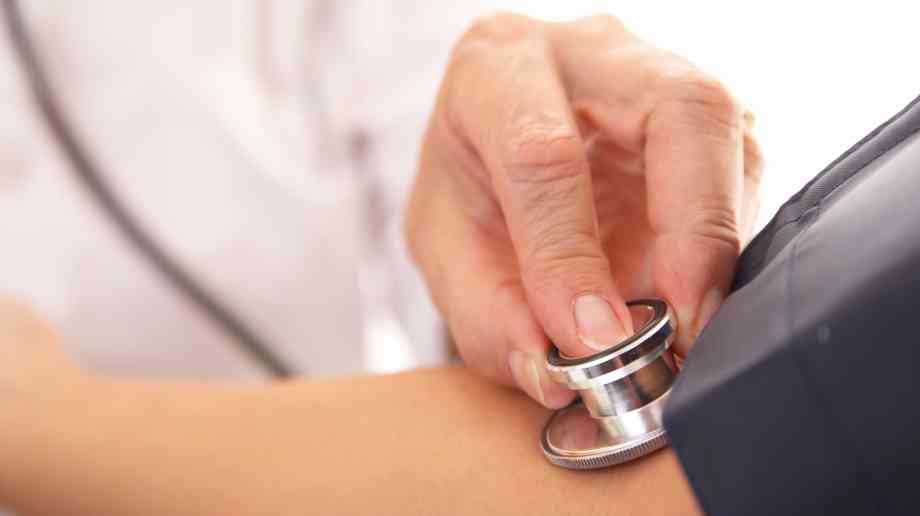
The Care Quality Commission (CQC) has published its analysis of the quality and safety of general medical practice in England, finding that 90 per cent of practices in have been rated as ‘good’.
The state of care in general practice 2014 to 2017 report found that four per cent were rated ’outstanding’, 86 per cent were ’good’, eight per cent were ‘requires improvement’ and two per cent were ‘inadequate’ overall. This is not only better outcomes than previous inspections, but the highest performing sector CQC regulates.
However, when inspecting safety, the CQC found that one in seven of the 7,365 GP surgeries are failing on safety, with smaller practices more likely to be rated ‘inadequate’ or ‘requiring improvement’. Regionally, this was highest in London, were 17 per cent of surgeries were rated as ‘inadequate’ or ‘requiring improvement’. In contrast, 98 per cent of practices were rated ‘good’ or ‘outstanding’ in the north-east.
The CQC stated that as GPs face ongoing pressures around capacity, patient demand and workload, it discovered that the best practices are driving change and embracing innovation to make sure they are able to deliver even better care into the future.
Steve Field, Chief Inspector of General Practice, said: “This is the first time that we have such a detailed national view of the quality of general practice in England, made possible through CQC’s regulation. Having inspected and rated 7,365 general practices across the country, we have found that the clear majority are safe and of a high quality. Where we identified concerns, most practices have taken action and improved. GPs, practice managers and other primary care staff should be commended for their efforts.
“The challenge is for this focus on quality to be maintained and for general practice to be supported in continuing to give patients this same high standard of care in future while embracing and driving the changes elsewhere in the system. The pressures on GPs are very real but we have found many practices are already delivering care in new and innovative ways to benefit their patients and the wider community.
“The General Practice Forward View sets out the plan for sustainable and high-quality primary care in England. Nearly eighteen months later, the commitments made must continue to be targeted and delivered appropriately to meet people’s local primary care needs. Otherwise, improvements in the quality of care will come to a standstill. We want to encourage continual improvement in the quality of care in general practice so that patients, whoever they are and wherever they are in England, get the high standard of care they have come to expect and deserve.”
Latest News

16/02/2024 - 12:56
Hammersmith and Fulham Council has created a new alliance intended to clean dirty air and improve residents' health.

16/02/2024 - 10:44
Two million more GP appointments a month are being delivered for patients compared to the same month before the pandemic as part of the NHS primary care access recovery plan according to new NHS data.

15/02/2024 - 10:26
The Welsh Government has provided innovation funding of £380,000 to support two projects utilising technology in domiciliary care.

15/02/2024 - 10:13
The new Scottish health secretary has met with frontline staff at Queen Elizabeth University Hospital in Glasgow.

14/02/2024 - 10:27
The North East London NHS Foundation Trust (NELFT) has appointed three new Executive Directors to the Trust Board.
Product Features

UK Building Regulations highlight toxic gas and smoke from layers of paint built up over multiple redecorations as a major cause of permanent ill health or death in a building fire.
Their concern rose with discovery the flame retardant paints most widely used paint along escape routes have been ones which to this day counter-productively use emission of heavy toxic gas to smother flames which rapidly spread along walls if layers of paint delaminate in a fire.
Supplier Profiles

Northwich’s Victoria Infirmary (VIN) Community Diagnostic Centre (CDC) has enabled more patients

Adveco, the commercial hot water specialist, announces the launch of live metering of domestic ho
Latest Features

Sarah Greenslade, public affairs and communications officer at the British Parking Association looks at some of the problems and innovations in healthcare parking

It’s easy to assume that the comms team is there to handle press enquiries and the occasional social media storm – but the reality is that strategic communications can make a measurable impact across the entire organisation, from operational to financial, when done properly


