
This story was first published in digitalhealth.net

Possibility of 115,000 fewer care workers after Brexit
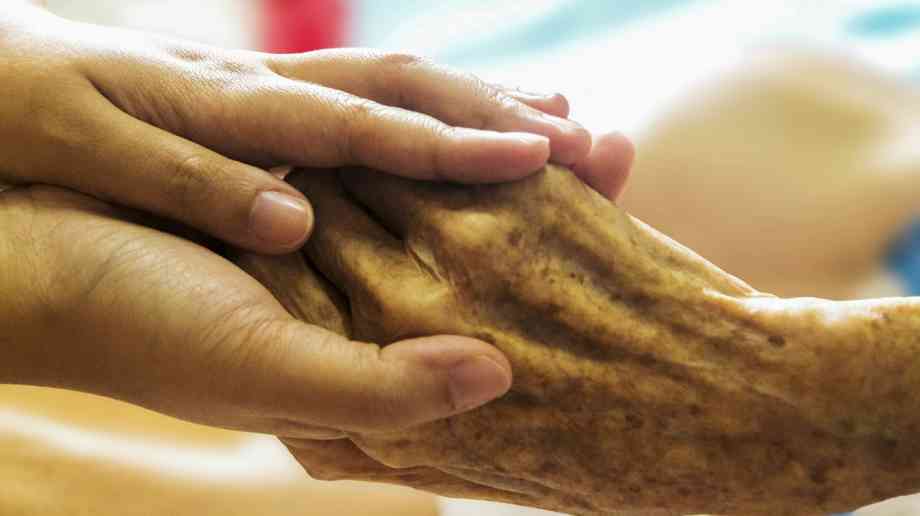
New analysis of official figures by the Global Future think tank has warned that ending freedom of movement after Brexit could result in 115,000 fewer adult social care workers by 2026.
The 100,000 carers missing report finds that approximately 222,000 social are staff in England are from overseas, representing 17 per cent of the workforce, meaning that ending freedom of movement could lead to 115,000 fewer social care staff by 2026, compared to the number expected if freedom of movement is retained.
Furthermore, with there currently being one care worker for every 3.4 people aged over 75, the think tank claims that to keep this ratio the same as the population ages, our care sector will need to employ an additional 380,000 staff by 2026. However, the sector is currently adding just 18,000 British workers a year, with the number of non-EU care staff, who are subject to strict immigration controls, also falling over the last five years.
The sector is already in the midst of a staffing crisis, with around 90,000 unfilled vacancies, with a vacancy rate of 6.6 per cent compared to the labour market average of 2.5 per cent. Industry experts warn that without migrant workers ‘we would struggle to provide care at all’.
Peter Starkings, the director of Global Future, said: “Ending free movement after Brexit would cause a social care workforce crisis. Social care is already overstretched, and cutting the number of care staff by 100,000 would have a direct impact on the quality of life of elderly and disabled people.
“Low-skilled workers from the EU are an easy target for politicians, but we rely on them to do vital jobs supporting our elderly and disabled loved ones in care homes and in the community. Without them our social care system would quite simply be unable to function. New health and social care secretary Matt Hancock must make it a priority to protect the adult social care sector – and our elderly and disabled citizens who need care – by fighting and winning a battle within government to allow European workers to continue to work as carers.”
Latest News

16/02/2024 - 12:56
Hammersmith and Fulham Council has created a new alliance intended to clean dirty air and improve residents' health.

16/02/2024 - 10:44
Two million more GP appointments a month are being delivered for patients compared to the same month before the pandemic as part of the NHS primary care access recovery plan according to new NHS data.

15/02/2024 - 10:26
The Welsh Government has provided innovation funding of £380,000 to support two projects utilising technology in domiciliary care.

15/02/2024 - 10:13
The new Scottish health secretary has met with frontline staff at Queen Elizabeth University Hospital in Glasgow.

14/02/2024 - 10:27
The North East London NHS Foundation Trust (NELFT) has appointed three new Executive Directors to the Trust Board.
Product Features

UK Building Regulations highlight toxic gas and smoke from layers of paint built up over multiple redecorations as a major cause of permanent ill health or death in a building fire.
Their concern rose with discovery the flame retardant paints most widely used paint along escape routes have been ones which to this day counter-productively use emission of heavy toxic gas to smother flames which rapidly spread along walls if layers of paint delaminate in a fire.
Supplier Profiles

Northwich’s Victoria Infirmary (VIN) Community Diagnostic Centre (CDC) has enabled more patients

Adveco, the commercial hot water specialist, announces the launch of live metering of domestic ho
Latest Features

Sarah Greenslade, public affairs and communications officer at the British Parking Association looks at some of the problems and innovations in healthcare parking

It’s easy to assume that the comms team is there to handle press enquiries and the occasional social media storm – but the reality is that strategic communications can make a measurable impact across the entire organisation, from operational to financial, when done properly


