
This story was first published in digitalhealth.net

75 per cent of UK maternity units denying Caesareans
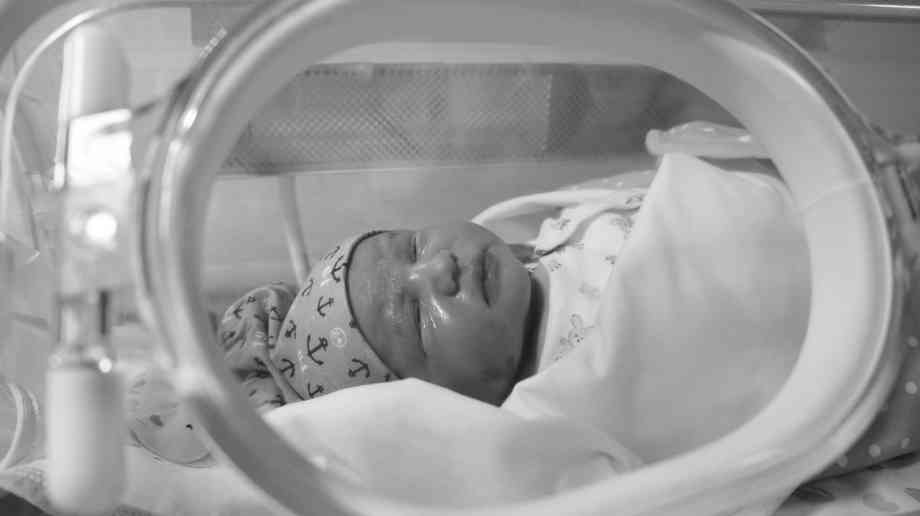
The BBC's Victoria Derbyshire programme has reported that women at 75 per cent of UK maternity units are being denied their right to choose a Caesarean operation.
NHS guidelines, as formulated by NICE, state that women requesting a Caesarean with no other medical reason ‘should be offered appropriate discussion and support’, but that if they are making an informed choice, ‘a Caesarean should be offered’. Caesarean sections are when a baby is delivered by making a surgical cut into the abdomen and womb, either electively, at the mother’s request, planned, often for medical reasons, or as an emergency, usually of there are complications during labour.
However, of the 146 trusts that shared their policies with the Birthrights charity, 26 per cent fully complied with the guidelines, 15 per cent refused all elective Caesareans. The charity claims that pregnant women in some regions of the UK who ask about the procedure are simply told to go elsewhere.
The same guidelines also state that if one obstetrician is unwilling to perform an elective Caesarean, the woman should be referred to another who will. However, the results of the survey paint a mixed picture as, alongside the figures above, 47 per cent of trusts partially complied with guidelines, while 12 per cent of responses did not provide a clear position.
Common reasons for why women may desire Caesareans include previous traumatic births, mental ill-health, childhood sexual abuse, or having made an informed decision after examining the evidence.
Rebecca Schiller, chief executive of Birthrights, said: “Maternal request caesareans are the the number one reason women contact the Birthrights advice service. The women we support have endured previously traumatic births, physical ill-health, childhood sexual abuse or have carefully examined the evidence available and made informed decisions that planned caesareans will give them and their baby the best chance of an emotionally and physically healthy start. It is clear that women requesting caesareans meet judgemental attitudes, barriers and disrespect more often than they find compassion and support. We are concerned that this lack of respect for patient dignity could have profound negative consequences for the emotional and physical safety of women.”
Latest News

16/02/2024 - 12:56
Hammersmith and Fulham Council has created a new alliance intended to clean dirty air and improve residents' health.

16/02/2024 - 10:44
Two million more GP appointments a month are being delivered for patients compared to the same month before the pandemic as part of the NHS primary care access recovery plan according to new NHS data.

15/02/2024 - 10:26
The Welsh Government has provided innovation funding of £380,000 to support two projects utilising technology in domiciliary care.

15/02/2024 - 10:13
The new Scottish health secretary has met with frontline staff at Queen Elizabeth University Hospital in Glasgow.

14/02/2024 - 10:27
The North East London NHS Foundation Trust (NELFT) has appointed three new Executive Directors to the Trust Board.
Product Features

UK Building Regulations highlight toxic gas and smoke from layers of paint built up over multiple redecorations as a major cause of permanent ill health or death in a building fire.
Their concern rose with discovery the flame retardant paints most widely used paint along escape routes have been ones which to this day counter-productively use emission of heavy toxic gas to smother flames which rapidly spread along walls if layers of paint delaminate in a fire.
Supplier Profiles

Northwich’s Victoria Infirmary (VIN) Community Diagnostic Centre (CDC) has enabled more patients

Adveco, the commercial hot water specialist, announces the launch of live metering of domestic ho
Latest Features

Sarah Greenslade, public affairs and communications officer at the British Parking Association looks at some of the problems and innovations in healthcare parking

It’s easy to assume that the comms team is there to handle press enquiries and the occasional social media storm – but the reality is that strategic communications can make a measurable impact across the entire organisation, from operational to financial, when done properly


