
This story was first published in digitalhealth.net

NHS to ban homeopathy and herbal medicine
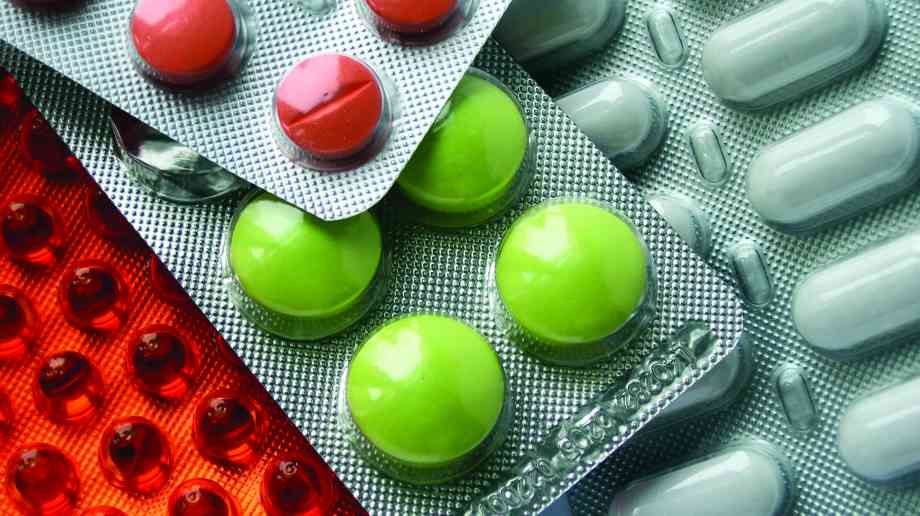
The NHS has announced that it is banning homeopathy and herbal medicine in a new publication.
Officials have banned homeopathy and herbal medicine as they say it is ‘misuse of scare funds’.
The NHS has spent almost £600,000 on homeopathic treatment, despite debates over whether alternative remedies work.
NHS England said the changes, which include another 16 classes of treatment, aim to save at least £250 million a year. All the medicines included have been found to be ineffective or easily bought over the counter.
It ruled that ‘at best homeopathy is a placebo and a misuse of scarce NHS funds which could be better devoted to treatments that work’.
Patients will have to pay for their own treatment for a number of common ailments now, including sore throats and athlete’s foot.
Health officials said the NHS is spending around £545 million a year on treatments which are available to buy over the counter, including cough mixture and cold treatments. The items can be bought in pharmacies, supermarkets, petrol stations and other retailers, often at a significantly lower price than the cost to the NHS.
The consultation proposes initial action to limit prescribing of products for minor self-limiting conditions which currently cost taxpayers £50-100 million a year.
These savings form a key building block of the NHS’s 10 point efficiency plan contained in the Next Steps on the NHS Five Year Forward View, published in March 2017.
Simon Stevens, NHS chief executive, said: “The NHS is probably the world’s most efficient health service, but like every country there is still waste and inefficiency that we’re determined to root out.
“The public rightly expects that the NHS will use every pound wisely, and today we’re taking practical action to free up funding to better spend on modern drugs and treatments.”
Bruce Keogh, NHS medical director, said: “At a time when we need to find all the money we can for new, highly effective drugs we must ensure every pound is spent wisely. An honest, plain English conversation is required about what we should fund and what we should not.
“We need to end unnecessary expense to give us a bigger therapeutic bang for the NHS buck so we cut the fat and build the therapeutic muscle.”
Graham Jackson, NHS Clinical Commissioners co-chair and clinical chair of NHS Aylesbury Vale CCG, said: “The NHS can and does provide high-quality care but our ability to continue to do so will be reduced if we can’t prioritise areas which will result in the best outcomes for patients, while at the same time getting the best value for our funds.
“We need to have an honest conversation with the public, patients and clinicians on what the NHS should provide and this consultation around the medicines spend – an area with the potential to unlock huge resource – is an important part of that. We are pleased to have worked with NHS England identifying products that could be considered low priority for NHS funding, for reasons including limited clinical effectiveness or the availability of cost-effective alternatives. We now hope to hear from as many people and organisations as possible so that the final guidance can properly take these views into account and result in our member CCGs being given national support in prioritising medicines and services that makes the best use of the NHS pound.”
Latest News

16/02/2024 - 12:56
Hammersmith and Fulham Council has created a new alliance intended to clean dirty air and improve residents' health.

16/02/2024 - 10:44
Two million more GP appointments a month are being delivered for patients compared to the same month before the pandemic as part of the NHS primary care access recovery plan according to new NHS data.

15/02/2024 - 10:26
The Welsh Government has provided innovation funding of £380,000 to support two projects utilising technology in domiciliary care.

15/02/2024 - 10:13
The new Scottish health secretary has met with frontline staff at Queen Elizabeth University Hospital in Glasgow.

14/02/2024 - 10:27
The North East London NHS Foundation Trust (NELFT) has appointed three new Executive Directors to the Trust Board.
Product Features

UK Building Regulations highlight toxic gas and smoke from layers of paint built up over multiple redecorations as a major cause of permanent ill health or death in a building fire.
Their concern rose with discovery the flame retardant paints most widely used paint along escape routes have been ones which to this day counter-productively use emission of heavy toxic gas to smother flames which rapidly spread along walls if layers of paint delaminate in a fire.
Supplier Profiles

Northwich’s Victoria Infirmary (VIN) Community Diagnostic Centre (CDC) has enabled more patients

Adveco, the commercial hot water specialist, announces the launch of live metering of domestic ho
Latest Features

Sarah Greenslade, public affairs and communications officer at the British Parking Association looks at some of the problems and innovations in healthcare parking

It’s easy to assume that the comms team is there to handle press enquiries and the occasional social media storm – but the reality is that strategic communications can make a measurable impact across the entire organisation, from operational to financial, when done properly


