
This story was first published in digitalhealth.net

NHS diabetes prevention programme success
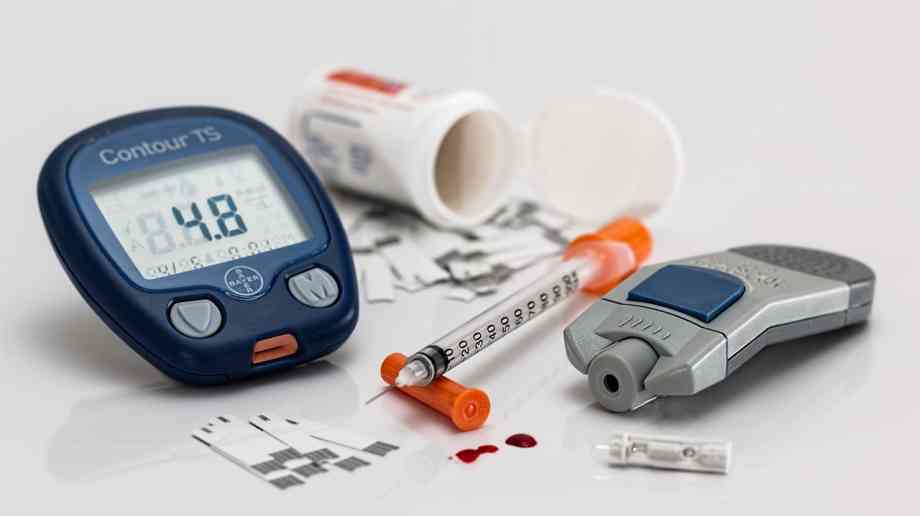
A flagship NHS diabetes prevention scheme has exceeded expectations and succeeded in signing up significantly more people than thought according to a new comprehensive progress report.
The report, Progress of the Healthier You: NHS Diabetes Prevention Programme: referrals, uptake and participant characteristics, is co-authored by experts from NHS England, Public Health England and Diabetes UK. It charts the positive impact made by the prevention programme during the early phase of its roll-out.
The report, which has been published in leading academic health journal, Diabetic Medicine, found that the programme received 43,603 referrals between June 2016 and March 2017 - 16 per cent higher than expected - and nearly half of those referred to attended their first session - again more than the 40 per cent originally planned for.
The report also found that attendance rates for men, people from black, Asian and minority ethnic groups, and individuals from the most deprived areas, suggest that the programme is reaching those who are at greater risk of developing Type 2 diabetes and who typically access healthcare less effectively.
Further analysis of the programme by NHS England and Public Heath England reveals that the encouraging trends reported in Diabetic Medicine have continued - with an additional 70,000 people referred since March. In total there have been more than 110,000 referrals to date.
In the last 18 months the roll-out has covered three quarters of the country so that people already identified to be at risk can get the support they need and almost 50,000 have taken advantage and started an assessment - with at least 5,000 people taking up places each month. The aim is to achieve full national coverage next year, with as many as 200,000 people referred and 80,000 on programmes in 2018/19.
Those referred to on the face-to-face programme get tailored, personalised help, such as education on lifestyle choices, advice on how to reduce weight through healthier eating and bespoke physical activity programme — which together are proven to reduce the risk of developing Type 2 diabetes.
The programme recently launched digital support to patients so no more than 5,000 people are expected to benefit from a pilot project.
It will see five companies and eight areas of the country test drive a range of apps, gadgets, wristbands and other innovative digital products.
Jonathan Valabhji, NHS England’s national clinical director for obesity and diabetes, said: “The growing obesity epidemic and the associated rising numbers with Type 2 diabetes are a public health crisis and cost the health service billions every year. The early signs from the programme are positive and across the majority of England, people at high risk of Type 2 can now get help through our prevention programme, with more than 110,000 people referred already and attendance rates clearly showing that the programme is reaching those that need it most.”
Jenifer Smith, programme director at Public Health England, said: “Although early days it is very encouraging to see the Healthier You: NHS Diabetes Prevention Programme performance exceeding our expectations, based on the experience documented in the scientific literature. We recognise those taking up this offer are making a significant personal commitment; so we are exploring all options to make this as accessible as possible, including the use of digital technology.”
Chris Askew, chief executive of Diabetes UK, said: “With millions of people at increased risk of developing Type 2 diabetes, it’s essential that we do everything we can to prevent it before it develops. That’s why the work of the Diabetes Prevention Programme is so important in our fight against the growing diabetes crisis.
“It is particularly encouraging to see the programme reaching higher-than-expected numbers of men, and people from black, Asian and minority ethnic groups (BAME) communities. These are groups that, despite being associated with a higher risk of Type 2 diabetes, are not being reached effectively by commercial weight management programmes.
“The programme has made a strong start in its first year, and we look forward to understanding the longer term impact it makes in reducing the enormous burden of Type 2 diabetes on the health of the nation.”
Latest News

16/02/2024 - 12:56
Hammersmith and Fulham Council has created a new alliance intended to clean dirty air and improve residents' health.

16/02/2024 - 10:44
Two million more GP appointments a month are being delivered for patients compared to the same month before the pandemic as part of the NHS primary care access recovery plan according to new NHS data.

15/02/2024 - 10:26
The Welsh Government has provided innovation funding of £380,000 to support two projects utilising technology in domiciliary care.

15/02/2024 - 10:13
The new Scottish health secretary has met with frontline staff at Queen Elizabeth University Hospital in Glasgow.

14/02/2024 - 10:27
The North East London NHS Foundation Trust (NELFT) has appointed three new Executive Directors to the Trust Board.
Product Features

UK Building Regulations highlight toxic gas and smoke from layers of paint built up over multiple redecorations as a major cause of permanent ill health or death in a building fire.
Their concern rose with discovery the flame retardant paints most widely used paint along escape routes have been ones which to this day counter-productively use emission of heavy toxic gas to smother flames which rapidly spread along walls if layers of paint delaminate in a fire.
Supplier Profiles

Northwich’s Victoria Infirmary (VIN) Community Diagnostic Centre (CDC) has enabled more patients

Adveco, the commercial hot water specialist, announces the launch of live metering of domestic ho
Latest Features

Sarah Greenslade, public affairs and communications officer at the British Parking Association looks at some of the problems and innovations in healthcare parking

It’s easy to assume that the comms team is there to handle press enquiries and the occasional social media storm – but the reality is that strategic communications can make a measurable impact across the entire organisation, from operational to financial, when done properly


