
This story was first published in digitalhealth.net

NHS staff to receive ‘air accident’ safety training
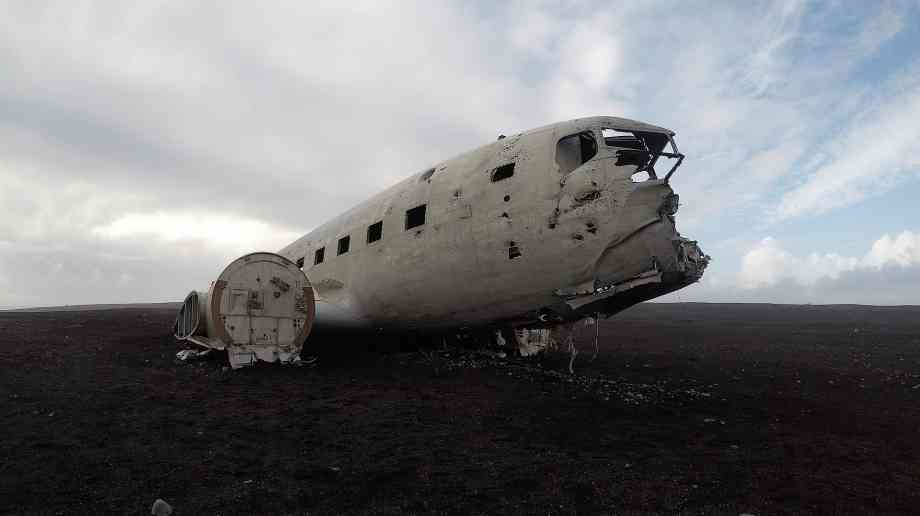
Cranfield University is to launch the first ‘air accident investigation’ style training course for NHS staff responsible for investigating safety incidents in hospitals.
The university, which has been training air, maritime and rail safety investigators for more than 40 years, said that the training will help improve the way the health service learns from patient safety incidents and forms part of a growing effort to install a safety science approach to avoidable harm in the NHS.
The new one week intensive course, run in partnership with the charity Baby Lifeline, will start in January and will give students a basic grounding in the science of investigation and using real-life actors and a maternity based scenario, show participants how to get to the real causes of what went wrong. They will also be taught how to analyse and interpret evidence and develop their findings into reports with effective safety recommendations.
Craig Cattell, lecturer in safety and accident investigation at Cranfield University told The Independent that investigations in smaller, less severe accidents can help identify risks that if acted on sooner can prevent larger mistakes later.
He said: “What we want to do is introduce at a practitioner level, for the guys on the ground, a good knowledge of the investigative process. It can often be the realm of gifted amateurs, where what we aim to do is to inject a more scientific approach and give them the skills that mean they can provide a better quality of report and actually get away from blame, to learn the lessons from any safety events that have happened.”
There are more than 10,000 severe harm and death incidents reported in the NHS each year, and overall, more than two million incidents including near misses which did not cause harm to patients.
James Titcombe, from Baby Lifeline, said: “The point at which something goes wrong in healthcare is critical for everyone involved. Carrying out an effective incident investigation is a specialist task that requires a high level of knowledge and skills, yet too often healthcare organisations delegate such investigations to clinical staff with little training or support. Time and time again major inquiries and reports highlight the need to improve how healthcare organisations respond and learn from adverse events - yet there is still no standardised training to support healthcare staff who do this vital work.”
Latest News

16/02/2024 - 12:56
Hammersmith and Fulham Council has created a new alliance intended to clean dirty air and improve residents' health.

16/02/2024 - 10:44
Two million more GP appointments a month are being delivered for patients compared to the same month before the pandemic as part of the NHS primary care access recovery plan according to new NHS data.

15/02/2024 - 10:26
The Welsh Government has provided innovation funding of £380,000 to support two projects utilising technology in domiciliary care.

15/02/2024 - 10:13
The new Scottish health secretary has met with frontline staff at Queen Elizabeth University Hospital in Glasgow.

14/02/2024 - 10:27
The North East London NHS Foundation Trust (NELFT) has appointed three new Executive Directors to the Trust Board.
Product Features

UK Building Regulations highlight toxic gas and smoke from layers of paint built up over multiple redecorations as a major cause of permanent ill health or death in a building fire.
Their concern rose with discovery the flame retardant paints most widely used paint along escape routes have been ones which to this day counter-productively use emission of heavy toxic gas to smother flames which rapidly spread along walls if layers of paint delaminate in a fire.
Supplier Profiles

Northwich’s Victoria Infirmary (VIN) Community Diagnostic Centre (CDC) has enabled more patients

Adveco, the commercial hot water specialist, announces the launch of live metering of domestic ho
Latest Features

Sarah Greenslade, public affairs and communications officer at the British Parking Association looks at some of the problems and innovations in healthcare parking

It’s easy to assume that the comms team is there to handle press enquiries and the occasional social media storm – but the reality is that strategic communications can make a measurable impact across the entire organisation, from operational to financial, when done properly


