
This story was first published in digitalhealth.net

Charity warns of ticking time-bomb for stroke care
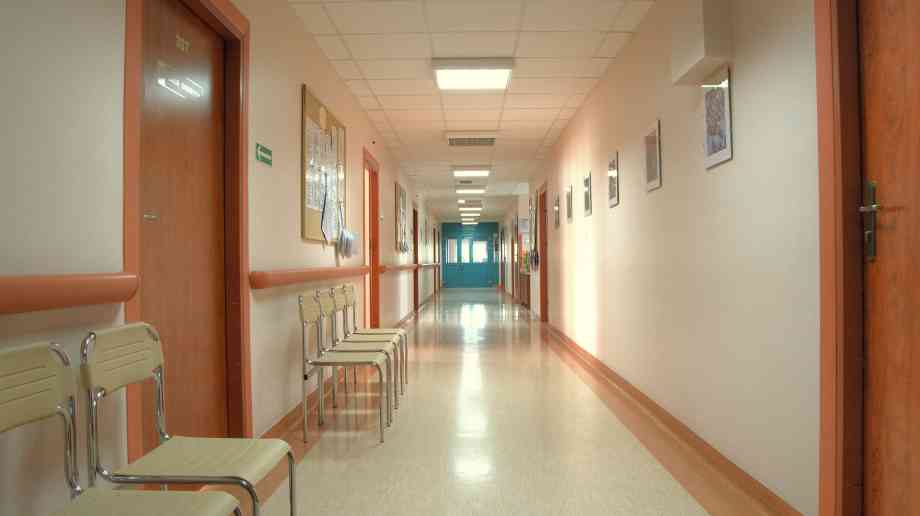
New figures show that the number of stroke professionals across most of the UK is at a worryingly low level, putting thousands of lives at risk.
The Stroke Association highlighted the new findings from the Sentinel Stroke National Audit Programme’s (SSNAP) Acute Organisational Audit Report, which reveals that there is large variation in access to the services that stroke patients need.
According to these figures, 48 per cent of all hospitals have had at least one stroke consultant post unfilled, up from 40 per cent in 2016, for their stroke units for at least 12 months. With these gaping holes in staffing levels of experienced stroke professionals, people’s recoveries from stroke are being jeopardised.
Other key findings in the SSNAP report include: only seven per cent of hospitals have enough clinical psychology staff; and a rise of seven per cent in the number of hospitals that provide two of either physio, occupational or speech therapies on weekends, although the physical effects of stroke are only one half of the picture.
Juliet Bouverie, chief executive of the Stroke Association, said: “Unless these workforce issues are urgently addressed, we are hurtling our way to a major stroke crisis in the next few years. The highest standards of stroke treatment and rehabilitation must be available to all. The progress in stroke treatment and care over the past 10 years run the risk of being wasted without experienced doctors to deliver world class stroke services.
“The lack of senior doctors and also of trainees to fill these gaps is worsening and is a ticking time-bomb for an already stretched health service. The stroke skills gap threatens the sustainability of many services and puts increased pressure on local hospitals. There are over 100,000 strokes every year in the UK and this is estimated to rise to 150,000 over the next five years, which will increase the pressure on stroke wards further.
“This report makes some welcome recommendations to address the challenges. Government; NHS England and its arm’s length bodies and health and social authorities across the UK must act now to ensure that stroke survivors get the world-class treatment and care they deserve. We support the recommendations made last year by the British Association of Stroke Physicians(v) around how to meet the big challenges the stroke workforce faces. At the Stroke Association, we will also play our part by providing high quality emotional, practical and social support services to help people to rebuild their lives after stroke.”
Latest News

16/02/2024 - 12:56
Hammersmith and Fulham Council has created a new alliance intended to clean dirty air and improve residents' health.

16/02/2024 - 10:44
Two million more GP appointments a month are being delivered for patients compared to the same month before the pandemic as part of the NHS primary care access recovery plan according to new NHS data.

15/02/2024 - 10:26
The Welsh Government has provided innovation funding of £380,000 to support two projects utilising technology in domiciliary care.

15/02/2024 - 10:13
The new Scottish health secretary has met with frontline staff at Queen Elizabeth University Hospital in Glasgow.

14/02/2024 - 10:27
The North East London NHS Foundation Trust (NELFT) has appointed three new Executive Directors to the Trust Board.
Product Features

UK Building Regulations highlight toxic gas and smoke from layers of paint built up over multiple redecorations as a major cause of permanent ill health or death in a building fire.
Their concern rose with discovery the flame retardant paints most widely used paint along escape routes have been ones which to this day counter-productively use emission of heavy toxic gas to smother flames which rapidly spread along walls if layers of paint delaminate in a fire.
Supplier Profiles

Northwich’s Victoria Infirmary (VIN) Community Diagnostic Centre (CDC) has enabled more patients

Adveco, the commercial hot water specialist, announces the launch of live metering of domestic ho
Latest Features

Sarah Greenslade, public affairs and communications officer at the British Parking Association looks at some of the problems and innovations in healthcare parking

It’s easy to assume that the comms team is there to handle press enquiries and the occasional social media storm – but the reality is that strategic communications can make a measurable impact across the entire organisation, from operational to financial, when done properly


