
This story was first published in digitalhealth.net

Change needed in safety culture to reduce harm in NHS
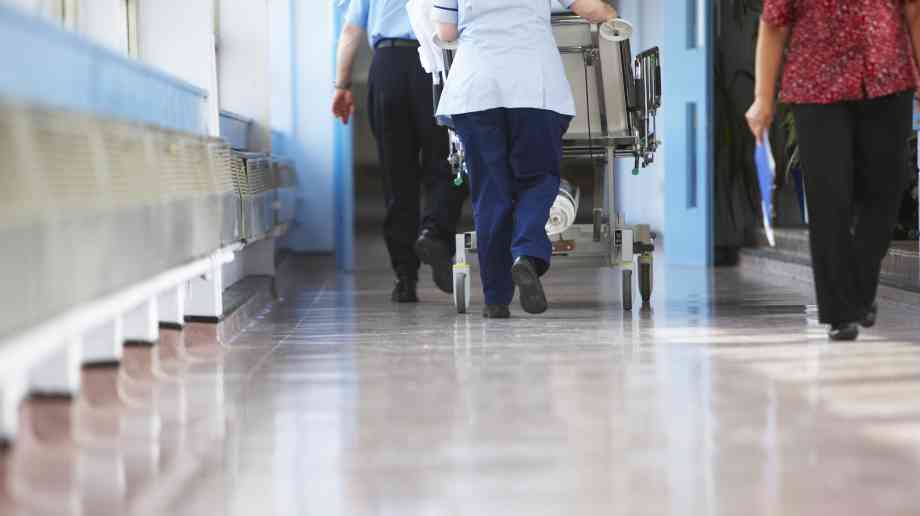
The Care Quality Commission (CQC) is calling for a change in culture within the NHS to reduce the number of patients who experience avoidable harm.
A new report from the inspectorate, Opening the door to change, finds that too many people are being injured or suffering unnecessary harm because NHS staff are not supported by sufficient training. Additionally, due to the complexity of the current patient safety system, the paper says it is difficult for staff to ensure that safety is an integral part of everything they do.
Examining the issues that contribute to the occurrence of never events and wider patient safety incidents in NHS trusts, the CQC is now calling on the NHS and its partners to promote a change in safety culture across the NHS so that safety is given the priority it deserves. At present, approximately 500 people a year are suffering avoidable harm as a result of ‘never events’ – serious lapses in patient safety that can cause injuries or even death and should be completely avoidable.
Although healthcare is by its nature ‘high risk’, the CQC review found that due to increasing pressures within the NHS, this is not consistently reflected in its culture and practice. In contrast, other safety critical industries accept that their work is high risk, ensuring that this approach informs everything that they do.
While the CQC recognises that healthcare is different, the report claims that there is still much the NHS can learn from these high risk industries to ensure risks are identified and managed proactively, with a greater understanding of team dynamics, situational awareness and human factors, and with safety protocols followed consistently.
Professor Ted Baker, CQC’s Chief Inspector of Hospitals, said: “NHS staff do a remarkable job to keep patients safe. But despite their best efforts, never events and other patient safety incidents continue to happen. In theory these events are entirely preventable: in practice too many patients suffer harm. Staff know that what they do carries risk, but the culture in which they work is one that views itself as essentially safe, where errors are considered exceptional, and where rigid hierarchical structures make it hard for staff to speak up about potential safety issues or raise concerns.
“We know there is a strong commitment to patient safety within our NHS and we must support staff to give safety the priority it deserves. NHS Improvement’s vision for a new patient safety strategy is a welcome development in achieving this aim. Everyone – including patients – can play a part in making patient safety a top priority and the recommendations we make today aim to achieve that. But there is a wider challenge for us all to effect the cultural change that we need, to have the humility to accept that we all can make errors – so we must plan everything we do with this in mind.
“This change in approach is essential if we are to create a just culture where learning is shared, and where solutions are created proactively to manage risk. Only then will we be able to reduce the toll of never events and the much greater number of other safety incidents.”
Aidan Fowler, national director of Patient Safety at NHS Improvement, said: “The NHS is already leading the way for patient safety and much of this is a testament to the professionalism of frontline staff. But we must not be complacent. That’s why we are developing a new patient safety strategy to sit alongside the Long-Term Plan which will ensure that there is an increased focus on safety improvement throughout the NHS.
“As CQC states in its review, key to this will be to develop a ‘just culture’ across the NHS, where staff are supported to be open and transparent about what is going on without fear of punishment for errors that are beyond their control. Continuous learning and improvement must be at the heart of protecting patients from avoidable harm. The strategy proposes halving the number of patient safety incidents in key areas and introducing a national curriculum to standardise how incidents are reported and acted on.”
Latest News

16/02/2024 - 12:56
Hammersmith and Fulham Council has created a new alliance intended to clean dirty air and improve residents' health.

16/02/2024 - 10:44
Two million more GP appointments a month are being delivered for patients compared to the same month before the pandemic as part of the NHS primary care access recovery plan according to new NHS data.

15/02/2024 - 10:26
The Welsh Government has provided innovation funding of £380,000 to support two projects utilising technology in domiciliary care.

15/02/2024 - 10:13
The new Scottish health secretary has met with frontline staff at Queen Elizabeth University Hospital in Glasgow.

14/02/2024 - 10:27
The North East London NHS Foundation Trust (NELFT) has appointed three new Executive Directors to the Trust Board.
Product Features

UK Building Regulations highlight toxic gas and smoke from layers of paint built up over multiple redecorations as a major cause of permanent ill health or death in a building fire.
Their concern rose with discovery the flame retardant paints most widely used paint along escape routes have been ones which to this day counter-productively use emission of heavy toxic gas to smother flames which rapidly spread along walls if layers of paint delaminate in a fire.
Supplier Profiles

Northwich’s Victoria Infirmary (VIN) Community Diagnostic Centre (CDC) has enabled more patients

Adveco, the commercial hot water specialist, announces the launch of live metering of domestic ho
Latest Features

Sarah Greenslade, public affairs and communications officer at the British Parking Association looks at some of the problems and innovations in healthcare parking

It’s easy to assume that the comms team is there to handle press enquiries and the occasional social media storm – but the reality is that strategic communications can make a measurable impact across the entire organisation, from operational to financial, when done properly


