
This story was first published in digitalhealth.net

NHS spends £80 million a year on private ambulances
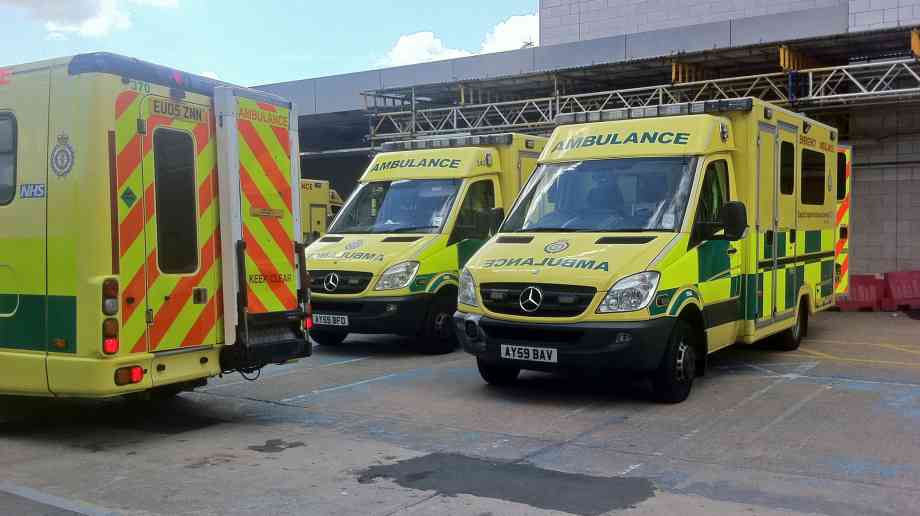
The NHS spends almost £80 million a year hiring private ambulances to answer emergency services calls and take patients to hospital for appointments, new data shows.
England’s 10 NHS ambulance trusts were forced to spend £78.4 million in 2016-17 on help from non-NHS providers to supplement their own services due to widespread shortages of paramedics and rising demand.
According to data obtained by the Press Association under freedom of information laws, that was down from the £79.7 million trusts spent in 2015-16, but 22 per cent more than their £64.2 million outlay in 2014-15.
South Central ambulance service spent the most on private services last year: £16.3 million, up from its £13.6 million outlay the year before and £12.3 million in 2014.15.
A spokesman for the Independent Ambulance Association (IAA) said the main reasons for the rise were staff shortages combined with continued increases in demand.
The figures sparked concerns that ambulances supplied by profit-driven firms may provide a lower standard of care than that provided by crews employed by the NHS.
However, the IAA insisted that the standard of care was not different to that offered by the NHS, and that all providers are registered with the Care Quality Commission.
Jonathan Street, College of Paramedics, said: “These services are increasingly reliant on paramedics and other ambulance clinicians within the private sector to meet the demand, which involves considerable cost.”
Alan Lofthouse, Unison’s national ambulance officer, said: “The huge sums spent on private ambulance services expose the pressures on staff due to soaring demand. Experienced and highly trained employees are leaving because of the strain.
“Paying agency workers to fill the gaps is putting patient safety and the wellbeing of crews at risk.”
Dr Taj Hassan, president of the Royal College of Emergency Medicine, said: “It is concerning that trusts are having to use part of their budget for private ambulances, and serves to highlight the current levels of demand emergency departments are facing.
“The Care Quality Commission has previously highlighted that they may use less qualified staff or staff whose qualifications aren’t regulated or restricted. They may be poorly equipped, have poor clinical governance, poor infection prevention, and a lack of or inappropriate equipment.”
Latest News

16/02/2024 - 12:56
Hammersmith and Fulham Council has created a new alliance intended to clean dirty air and improve residents' health.

16/02/2024 - 10:44
Two million more GP appointments a month are being delivered for patients compared to the same month before the pandemic as part of the NHS primary care access recovery plan according to new NHS data.

15/02/2024 - 10:26
The Welsh Government has provided innovation funding of £380,000 to support two projects utilising technology in domiciliary care.

15/02/2024 - 10:13
The new Scottish health secretary has met with frontline staff at Queen Elizabeth University Hospital in Glasgow.

14/02/2024 - 10:27
The North East London NHS Foundation Trust (NELFT) has appointed three new Executive Directors to the Trust Board.
Product Features

UK Building Regulations highlight toxic gas and smoke from layers of paint built up over multiple redecorations as a major cause of permanent ill health or death in a building fire.
Their concern rose with discovery the flame retardant paints most widely used paint along escape routes have been ones which to this day counter-productively use emission of heavy toxic gas to smother flames which rapidly spread along walls if layers of paint delaminate in a fire.
Supplier Profiles

Northwich’s Victoria Infirmary (VIN) Community Diagnostic Centre (CDC) has enabled more patients

Adveco, the commercial hot water specialist, announces the launch of live metering of domestic ho
Latest Features

Sarah Greenslade, public affairs and communications officer at the British Parking Association looks at some of the problems and innovations in healthcare parking

It’s easy to assume that the comms team is there to handle press enquiries and the occasional social media storm – but the reality is that strategic communications can make a measurable impact across the entire organisation, from operational to financial, when done properly


