
This story was first published in digitalhealth.net

BMA Scotland raises infection control concerns
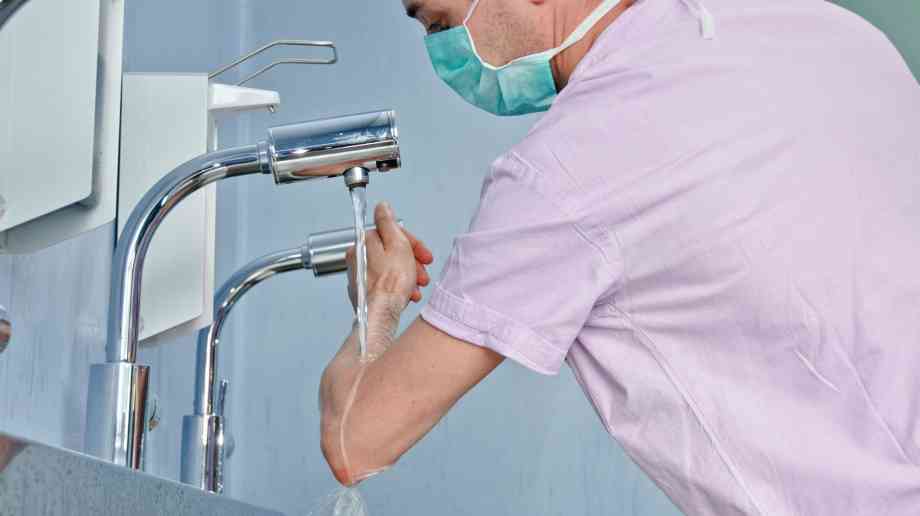
The BMA in Scotland has called for action to ensure hospital buildings and other healthcare settings are built and maintained in a way that minimises risk of infection.
The union is warning that a lack of resources aggravates the risk of hospital infections.
Responding to a Scottish Parliament health and sport committee inquiry into health hazards in the healthcare environment, the union says clinicians with expertise in infection control should be part of hospital design.
However, it warns the consultant workforce is stretched, and that few infection-control teams have the capacity to contribute fully to major projects, even where they asked to do so.
The BMA points out that infections acquired directly from healthcare environments are rare but that consequences can be severe.
"With well-engineered and maintained buildings, with sufficient staff to deliver healthcare, the risks should be low," the BMA says in its evidence.
"In a system under financial pressure, with staffing levels often stretched thinly and a significant maintenance backlog, the risks can begin to rise and infection, while still relatively rare, can be more common."
The BMA warns that tightening resources across the health system as a whole can have a negative effect on infection control.
The union says that some health boards should be praised for creating specialist nurse or scientist posts in the infection-control team to develop the knowledge and expertise needed to deal with the problems of buildings.
However, it warns of a lack of budget for training staff to ensure they are able to do this, saying that while there are courses available, the fees vastly outweigh study-leave budgets.
The committee’s inquiry was announced amid concerns about infection control at the flagship new Queen Elizabeth University Hospital in Glasgow, where patients have been infected with a fungus linked to pigeon faeces.
A 10-year-old boy and 73-year-old woman who had contracted cryptococcus later died.
A Healthcare Environment Scotland inspection revealed areas of concern including a maintenance backlog and cleaning deficiencies.
Speaking when the inspection report was published, Lewis Morrison, chair of the BMA in Scotland, said that it was ‘unacceptable’ that some parts of the site were in such poor repair that they could not be cleaned.
"A further theme that comes through is shortages of staff – including infection control doctors, who play a crucial role with the assessment and mitigation of infection risks presented by the built environment." Dr Morrison added.
Latest News

16/02/2024 - 12:56
Hammersmith and Fulham Council has created a new alliance intended to clean dirty air and improve residents' health.

16/02/2024 - 10:44
Two million more GP appointments a month are being delivered for patients compared to the same month before the pandemic as part of the NHS primary care access recovery plan according to new NHS data.

15/02/2024 - 10:26
The Welsh Government has provided innovation funding of £380,000 to support two projects utilising technology in domiciliary care.

15/02/2024 - 10:13
The new Scottish health secretary has met with frontline staff at Queen Elizabeth University Hospital in Glasgow.

14/02/2024 - 10:27
The North East London NHS Foundation Trust (NELFT) has appointed three new Executive Directors to the Trust Board.
Product Features

UK Building Regulations highlight toxic gas and smoke from layers of paint built up over multiple redecorations as a major cause of permanent ill health or death in a building fire.
Their concern rose with discovery the flame retardant paints most widely used paint along escape routes have been ones which to this day counter-productively use emission of heavy toxic gas to smother flames which rapidly spread along walls if layers of paint delaminate in a fire.
Supplier Profiles

Northwich’s Victoria Infirmary (VIN) Community Diagnostic Centre (CDC) has enabled more patients

Adveco, the commercial hot water specialist, announces the launch of live metering of domestic ho
Latest Features

Sarah Greenslade, public affairs and communications officer at the British Parking Association looks at some of the problems and innovations in healthcare parking

It’s easy to assume that the comms team is there to handle press enquiries and the occasional social media storm – but the reality is that strategic communications can make a measurable impact across the entire organisation, from operational to financial, when done properly


