
This story was first published in digitalhealth.net

Ambulance patient deaths excessively rising
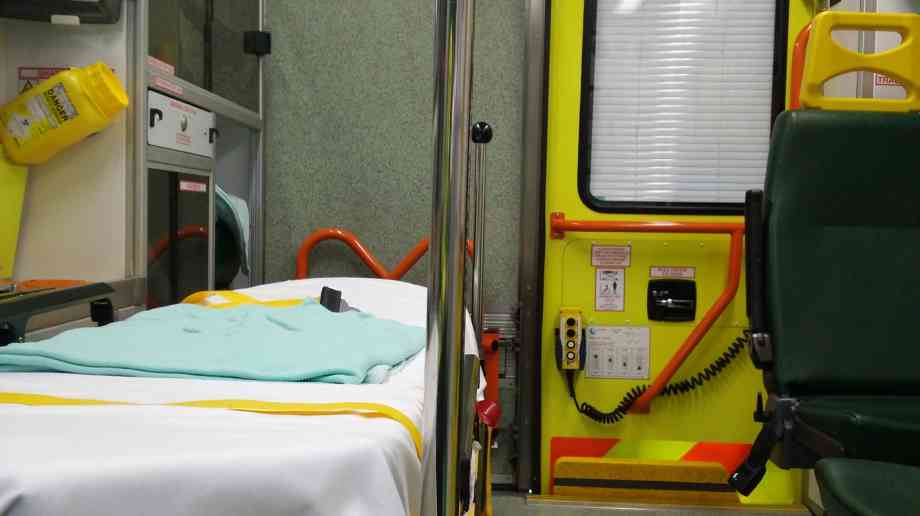
A sharp increase in the number of patients dying while under the care of NHS ambulance staff has prompted concerns that the service is under ‘excessive pressure’.
NHS figures for England obtained under freedom of information requests show ‘serious incidents’ resulting in the death of a patient more than doubled from 2012 to 2016, rising year on year.
One trust said a three-year-old asthma patient had died in a ‘serious incident’, and another death was logged as being as a result of delayed response linked to ‘no resources’.
Deaths were also as a result of missed diagnoses and long delays, with one patient even taken to the wrong hospital.
Serious incidents are logged when the consequences for patients and staff are so significant they need investigating.
The number of such reports that involved death, low, moderate or serious harm, injury and abuse rose sharply over the five-year period, almost doubling from 194 in 2012 to 376 last year.
The highest number of deaths was recorded at East Midlands ambulance service, with six mortalities in 2012 and 25 last year, a fivefold increase.
The second highest number of deaths was at North East ambulance service, with 22 reported cases in 2016, up from five in 2012.
Jonathan Ashworth, shadow health secretary, said: “This deeply concerning news must serve as an urgent wake-up call to the government that our overstretched and underfunded ambulance services are in desperate need of more funds.
“Despite the heroic efforts of our hardworking paramedics, ambulance targets have been missed for well over two years and unprecedented pressures on ambulance services are placing patient safety at serious risk.”
Alan Lofthouse, national ambulance officer at trade union Unison, said: “The government’s own figures show that ambulance demand is running at twice the level of funding. This is an unsustainable situation that places excessive pressure on paramedics, who are doing an incredible job treating people in the community and reducing the strain on A&E departments.”
A spokesperson for The Association of Ambulance Chief Executives said: “The increase in serious untoward incidents reported can be attributed to the unabated increased demand for ambulance services and the success of ambulance services encouraging staff to report incidents that can be learned from.”
A spokesperson NHS Improvement said: “The safety of patients is a top priority for the NHS. When serious incidents occur we expect NHS providers to investigate and get to the root cause of what happened. The purpose of these patient safety investigations is to establish learning so local, and in some cases national, changes can be made to ensure patients are kept safe and staff are supported to prevent similar incidents occurring.”
Latest News

16/02/2024 - 12:56
Hammersmith and Fulham Council has created a new alliance intended to clean dirty air and improve residents' health.

16/02/2024 - 10:44
Two million more GP appointments a month are being delivered for patients compared to the same month before the pandemic as part of the NHS primary care access recovery plan according to new NHS data.

15/02/2024 - 10:26
The Welsh Government has provided innovation funding of £380,000 to support two projects utilising technology in domiciliary care.

15/02/2024 - 10:13
The new Scottish health secretary has met with frontline staff at Queen Elizabeth University Hospital in Glasgow.

14/02/2024 - 10:27
The North East London NHS Foundation Trust (NELFT) has appointed three new Executive Directors to the Trust Board.
Product Features

UK Building Regulations highlight toxic gas and smoke from layers of paint built up over multiple redecorations as a major cause of permanent ill health or death in a building fire.
Their concern rose with discovery the flame retardant paints most widely used paint along escape routes have been ones which to this day counter-productively use emission of heavy toxic gas to smother flames which rapidly spread along walls if layers of paint delaminate in a fire.
Supplier Profiles

Northwich’s Victoria Infirmary (VIN) Community Diagnostic Centre (CDC) has enabled more patients

Adveco, the commercial hot water specialist, announces the launch of live metering of domestic ho
Latest Features

Sarah Greenslade, public affairs and communications officer at the British Parking Association looks at some of the problems and innovations in healthcare parking

It’s easy to assume that the comms team is there to handle press enquiries and the occasional social media storm – but the reality is that strategic communications can make a measurable impact across the entire organisation, from operational to financial, when done properly


