
This story was first published in digitalhealth.net

Poor NHS equipment leading to lung cancer delays
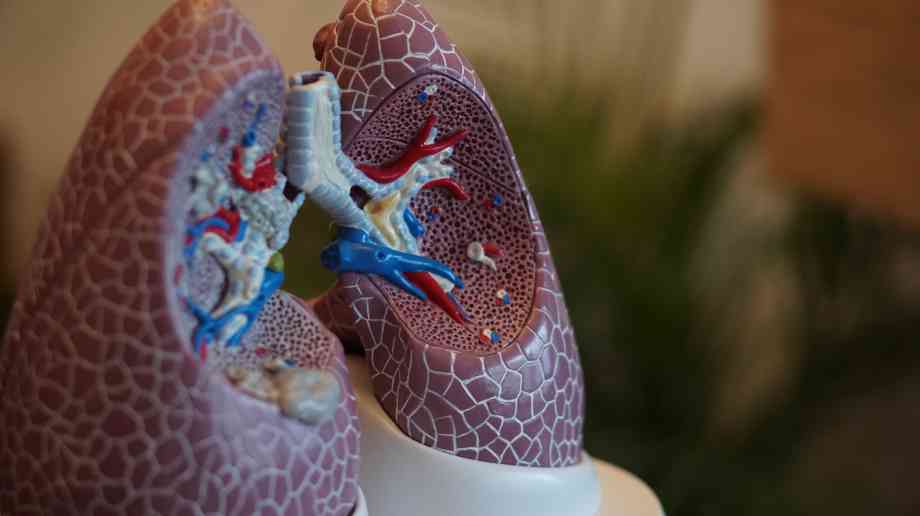
The UK Lung Cancer Coalition (ULLCC) has warned that patients with lung cancer are at the mercy of ‘woefully poor’ NHS equipment, with not enough scanners or staff to operate them.
According to Pathways Matter – the first report to track uptake of NHS England’s National Optimal Lung Cancer Pathway [NOLCP] guidance and identify barriers – the appointment of a patient pathway navigator can help to more than double the number of lung cancer patients receiving treatment by day 49. Described as ‘critical’ in helping to cut lung cancer waiting times and speeding up diagnoses, the admin role continues to face national funding challenges.
The NOLCP was introduced by NHS England in 2017 to get lung cancer patients diagnosed faster and cut treatment times from the current standard of 62 days to 49 and is welcomed by the UKLCC. Despite improvements in quality of care and patient outcomes over the last ten years, 48 per cent of UK lung cancer patients are still diagnosed within the late stages of the disease – and a third are not being treated within the current 62-day cancer waiting time target.
The cost of a lung cancer pathway navigator post ranges, on average, from just £20,000 to £25,000 per annum. As well as tracking appointments, rescheduling missed ones and chasing test results, pathway navigators provide an invaluable central point of contact for anxious patients and their families.
A report from the UKLCC recommends introducing a central PET-CT scan booking system to ensure timely access to the limited number of PET scanners in a given geographic area. Currently, the UK has less than half the number of PET scanners those available in other comparable, EU countries. Italy has 185 PET-CT scanners compared to just 78 in the UK.
Professor Mick Peake, chair of the UKLCC’s Clinical Advisory Group, said: “The introduction of the patient pathway navigator has been singled out by our research as one of the most impactful and cost-effective changes made as part of NOLCP implementation. Yet our research shows not all Cancer Alliances or trusts have been able to secure funding to support the role – and, those that have, have either not been able to maintain the post or face uncertainty due to a lack of sustainable funding.
“Delays in timely diagnosis and associated patient access to treatment and care have been identified as contributing to the UK’s comparatively low lung cancer survival compared with the rest of Europe. Our report highlights that appointing an administrator to manage the lung cancer pathway, which involves no clinical knowledge, is one of the important ways we can speed up the patient’s journey and improve lung cancer survival. It’s an absolute no-brainer.”
Richard Steyn, chair of the UKLCC, added: “If we were to significantly increase the proportion of patients diagnosed at an early stage of their disease and at the same time ensured that every patient treated within the NHS received optimal and timely treatment, we believe that by 2025 we could see 25 per cent of patients in the UK living to five years and beyond.”
Latest News

16/02/2024 - 12:56
Hammersmith and Fulham Council has created a new alliance intended to clean dirty air and improve residents' health.

16/02/2024 - 10:44
Two million more GP appointments a month are being delivered for patients compared to the same month before the pandemic as part of the NHS primary care access recovery plan according to new NHS data.

15/02/2024 - 10:26
The Welsh Government has provided innovation funding of £380,000 to support two projects utilising technology in domiciliary care.

15/02/2024 - 10:13
The new Scottish health secretary has met with frontline staff at Queen Elizabeth University Hospital in Glasgow.

14/02/2024 - 10:27
The North East London NHS Foundation Trust (NELFT) has appointed three new Executive Directors to the Trust Board.
Product Features

UK Building Regulations highlight toxic gas and smoke from layers of paint built up over multiple redecorations as a major cause of permanent ill health or death in a building fire.
Their concern rose with discovery the flame retardant paints most widely used paint along escape routes have been ones which to this day counter-productively use emission of heavy toxic gas to smother flames which rapidly spread along walls if layers of paint delaminate in a fire.
Supplier Profiles

Northwich’s Victoria Infirmary (VIN) Community Diagnostic Centre (CDC) has enabled more patients

Adveco, the commercial hot water specialist, announces the launch of live metering of domestic ho
Latest Features

Sarah Greenslade, public affairs and communications officer at the British Parking Association looks at some of the problems and innovations in healthcare parking

It’s easy to assume that the comms team is there to handle press enquiries and the occasional social media storm – but the reality is that strategic communications can make a measurable impact across the entire organisation, from operational to financial, when done properly


