
This story was first published in digitalhealth.net

Highest ever number of organ donors
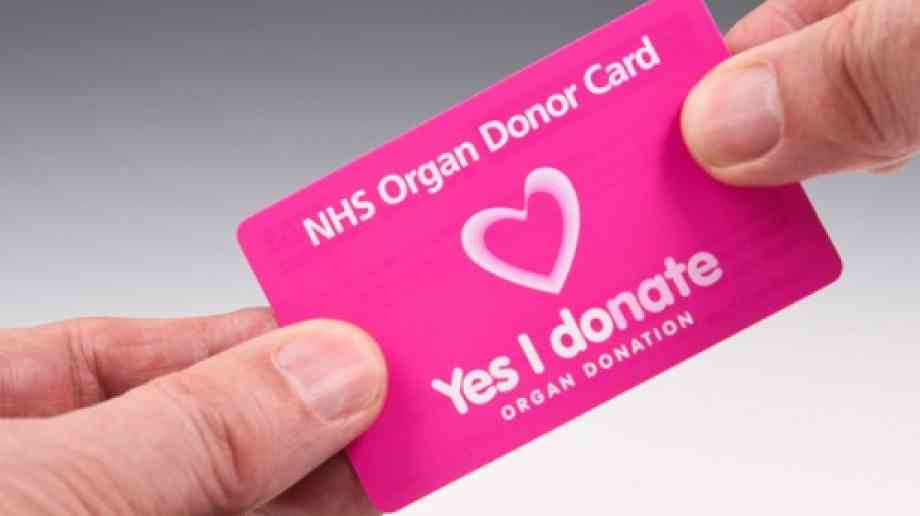
Despite a drop in the number of people eligible to donate, NHS Blood and Transplant has revealed that the highest ever number of people donated their organs last year.
The annual Organ Donation and Transplantation Activity Report shows that 1,600 people in the UK donated their organs after they died last year; saving or improving the lives of 3,941 transplant recipients and giving hope to those still waiting.
The achievement is even more commendable given that only 5,815 people died in circumstances where organ donation is possible; a drop of four per cent and 225 fewer eligible donors than in 2017/18.
The rise in the number of organ donors was made possible as a result of: more families agreeing to support donation, fewer families refusing to support their relative’s decision to donate and an increased referral rate of potential donors by medical staff to organ donation teams.
Wales now has the highest consent rate of all the UK nations, now 77 per cent, up from 58 per cent in 2015. It is hoped that once the law change comes into force in both England and Scotland, and as awareness of organ donation is heightened in the public consciousness, we will see similar increases across both these countries.
Anthony Clarkson, director of Organ Donation and Transplantation at NHS Blood and Transplant, said: “No lifesaving transplant would be possible without the generosity of every donor and their families, who give their support and say ‘yes’ to organ donation. It is testament to the courage of these donors and their families, as well as the dedication of all the clinical staff involved, that we have been able to save and transform as many lives as we have this year.
“The reduction in the number of people dying in circumstances where they are able to donate, means that we need to continue to explore ways to improve the donation and transplant process. We are utilising new techniques and technologies to ensure that donated organs are in the very best possible condition for transplant and are working to increase awareness and understanding of organ donation and the law change across society with the aim that no opportunity for donation is missed.
“Donors and their families give the most precious gift of life. We owe it to them, as well as those waiting for a transplant, to ensure their precious gift is honoured and that we make the most of every opportunity to save and improve lives.”
Latest News

16/02/2024 - 12:56
Hammersmith and Fulham Council has created a new alliance intended to clean dirty air and improve residents' health.

16/02/2024 - 10:44
Two million more GP appointments a month are being delivered for patients compared to the same month before the pandemic as part of the NHS primary care access recovery plan according to new NHS data.

15/02/2024 - 10:26
The Welsh Government has provided innovation funding of £380,000 to support two projects utilising technology in domiciliary care.

15/02/2024 - 10:13
The new Scottish health secretary has met with frontline staff at Queen Elizabeth University Hospital in Glasgow.

14/02/2024 - 10:27
The North East London NHS Foundation Trust (NELFT) has appointed three new Executive Directors to the Trust Board.
Product Features

UK Building Regulations highlight toxic gas and smoke from layers of paint built up over multiple redecorations as a major cause of permanent ill health or death in a building fire.
Their concern rose with discovery the flame retardant paints most widely used paint along escape routes have been ones which to this day counter-productively use emission of heavy toxic gas to smother flames which rapidly spread along walls if layers of paint delaminate in a fire.
Supplier Profiles

Northwich’s Victoria Infirmary (VIN) Community Diagnostic Centre (CDC) has enabled more patients

Adveco, the commercial hot water specialist, announces the launch of live metering of domestic ho
Latest Features

Sarah Greenslade, public affairs and communications officer at the British Parking Association looks at some of the problems and innovations in healthcare parking

It’s easy to assume that the comms team is there to handle press enquiries and the occasional social media storm – but the reality is that strategic communications can make a measurable impact across the entire organisation, from operational to financial, when done properly


