
This story was first published in digitalhealth.net

Treasury and NHS at loggerheads over private hospital plan
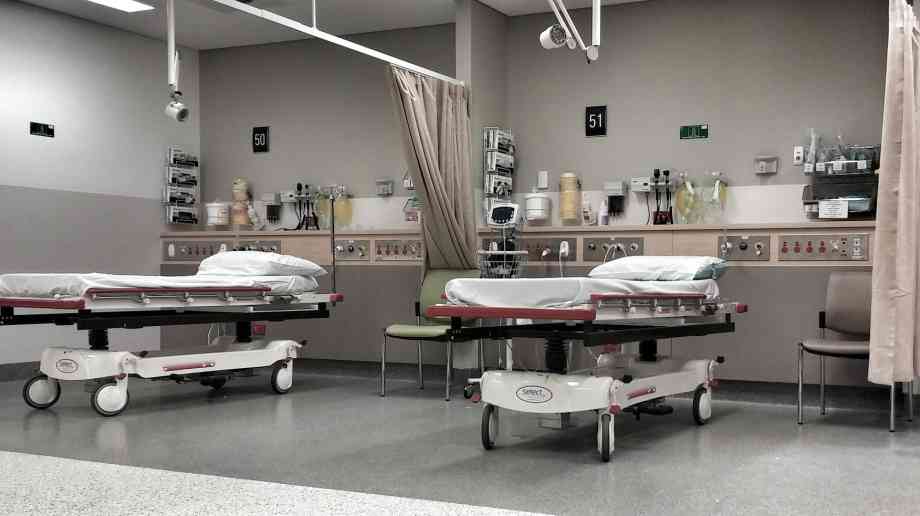
Health Secretary Matt Hancock and NHS bosses want to finalise a deal to to treat NHS patients in private hospitals and tackle a spiralling backlog amid the coronavirus pandemic.
The Department of Health and Social Care and NHS England want the Treasury to fund an extension of a contract that has resulted in scores of private hospitals being paid roughly £400 million a month to perform procedures since the start of the pandemic, when the NHS suspended swathes of non-urgent treatment to prioritise coronavirus patients.
Agreed in March, the arrangement effectively in gave the NHS control of the private sector’s 8,000 beds, 680 operating theatres and 20,000 staff. It has never confirmed how much the scheme costs.
However, the Treasury is now reportedly blocking the £5 billion-a-year plan, which could cover a range of treatments including cancer surgery, joint operations and cataract removals, citing concerns that it will not offer value for money.
Officials in the department believe the evidence that the evidence that the Department of Health and Social Care submitted to it to justify extending the deal beyond the end of this month until December 2020 or March 2021 is ‘flimsy and inadequate’.
Some concerns are also founded in private facilities having treated few NHS patients since the arrangement began in late March, and that many have been lying idle.
The Guardian quotes a senior NHS source aware of the plan as saying: “The deal with the private sector costs about £400 million a month so the Treasury said they had to provide a business case for [extending] it. They weren’t going to cover that £400 million a month based on evidence they thought was flimsy and a bit scant. The DHSC submitted only a short piece of paper and didn’t put any detailed analysis into it. It didn’t outline how many operations the taxpayer would get in return for the money. But the Treasury wanted much more detail before they would agree to underwrite £400 million a month for many more months.”
Latest News

16/02/2024 - 12:56
Hammersmith and Fulham Council has created a new alliance intended to clean dirty air and improve residents' health.

16/02/2024 - 10:44
Two million more GP appointments a month are being delivered for patients compared to the same month before the pandemic as part of the NHS primary care access recovery plan according to new NHS data.

15/02/2024 - 10:26
The Welsh Government has provided innovation funding of £380,000 to support two projects utilising technology in domiciliary care.

15/02/2024 - 10:13
The new Scottish health secretary has met with frontline staff at Queen Elizabeth University Hospital in Glasgow.

14/02/2024 - 10:27
The North East London NHS Foundation Trust (NELFT) has appointed three new Executive Directors to the Trust Board.
Product Features

UK Building Regulations highlight toxic gas and smoke from layers of paint built up over multiple redecorations as a major cause of permanent ill health or death in a building fire.
Their concern rose with discovery the flame retardant paints most widely used paint along escape routes have been ones which to this day counter-productively use emission of heavy toxic gas to smother flames which rapidly spread along walls if layers of paint delaminate in a fire.
Supplier Profiles

Northwich’s Victoria Infirmary (VIN) Community Diagnostic Centre (CDC) has enabled more patients

Adveco, the commercial hot water specialist, announces the launch of live metering of domestic ho
Latest Features

Sarah Greenslade, public affairs and communications officer at the British Parking Association looks at some of the problems and innovations in healthcare parking

It’s easy to assume that the comms team is there to handle press enquiries and the occasional social media storm – but the reality is that strategic communications can make a measurable impact across the entire organisation, from operational to financial, when done properly


