
This story was first published in digitalhealth.net

Imaging equipment ‘woefully underfunded’ say UK radiologists
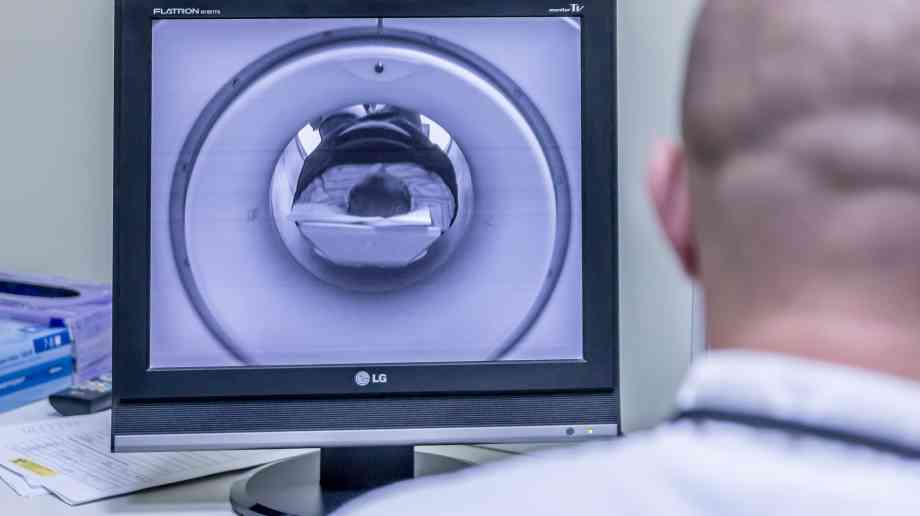
A lack of imaging equipment in the UK is leaving radiologists ‘very concerned’ that patients may not be cured of serious illnesses when demand for services increases.
Jeanette Dickson, president of the Royal College of Radiologists, has claimed that the service is ‘woefully underfunded’, made worse by cleaning requirements, in place because of coronavirus, which is already reducing capacity.
She claims that normal service before the outbreak was ‘woefully underfunded and under-resourced’ and that they were ‘coping but barely’. When all imaging resumes, and the NHS gets back to operating fully, Dickson says that it would take ‘at least 30-45 minutes’ to deep clean scanners after coronavirus patients and ‘more attention’ was being paid to cleaning equipment between all patients.
The Department of Health and Social Care in England said it was investing £200 million on imaging equipment. However, a comparison by the Organisation for Economic Co-operation and Development, in 2014, showed there were just 9.5 scanners per million head of the population, far below figures for Spain, Germany, France and Italy.
In fact, the BBC has been told some trusts just had a single CT scanner in operation in the UK.
Cancer Research warned in April that a drop-off in screening and referrals meant roughly 2,700 fewer people were being diagnosed every week.
Dickson said: “Radiology is one of those services that people use all the time, but don't really often think about, it's not sexy like surgery. Imaging touches on virtually every patient who comes into a hospital. If you look at us on a European-wide average, we are certainly one of the countries that have the fewest number of scanners a head of the population.
"I am very concerned that we may find that patients are suffering unnecessary treatments or unnecessarily damaging treatments and losing the opportunity for a cure of cancer or another serious illness, because of the lack of imaging.”
The situation is worsened when considered alongside recruitment worries. The latest figures form the Royal College of Radiologists show 11 per cent of funded posts for radiologists across the UK were vacant.
Latest News

16/02/2024 - 12:56
Hammersmith and Fulham Council has created a new alliance intended to clean dirty air and improve residents' health.

16/02/2024 - 10:44
Two million more GP appointments a month are being delivered for patients compared to the same month before the pandemic as part of the NHS primary care access recovery plan according to new NHS data.

15/02/2024 - 10:26
The Welsh Government has provided innovation funding of £380,000 to support two projects utilising technology in domiciliary care.

15/02/2024 - 10:13
The new Scottish health secretary has met with frontline staff at Queen Elizabeth University Hospital in Glasgow.

14/02/2024 - 10:27
The North East London NHS Foundation Trust (NELFT) has appointed three new Executive Directors to the Trust Board.
Product Features

UK Building Regulations highlight toxic gas and smoke from layers of paint built up over multiple redecorations as a major cause of permanent ill health or death in a building fire.
Their concern rose with discovery the flame retardant paints most widely used paint along escape routes have been ones which to this day counter-productively use emission of heavy toxic gas to smother flames which rapidly spread along walls if layers of paint delaminate in a fire.
Supplier Profiles

Northwich’s Victoria Infirmary (VIN) Community Diagnostic Centre (CDC) has enabled more patients

Adveco, the commercial hot water specialist, announces the launch of live metering of domestic ho
Latest Features

Sarah Greenslade, public affairs and communications officer at the British Parking Association looks at some of the problems and innovations in healthcare parking

It’s easy to assume that the comms team is there to handle press enquiries and the occasional social media storm – but the reality is that strategic communications can make a measurable impact across the entire organisation, from operational to financial, when done properly


