
This story was first published in digitalhealth.net

NHS to use volunteers to teach CPR
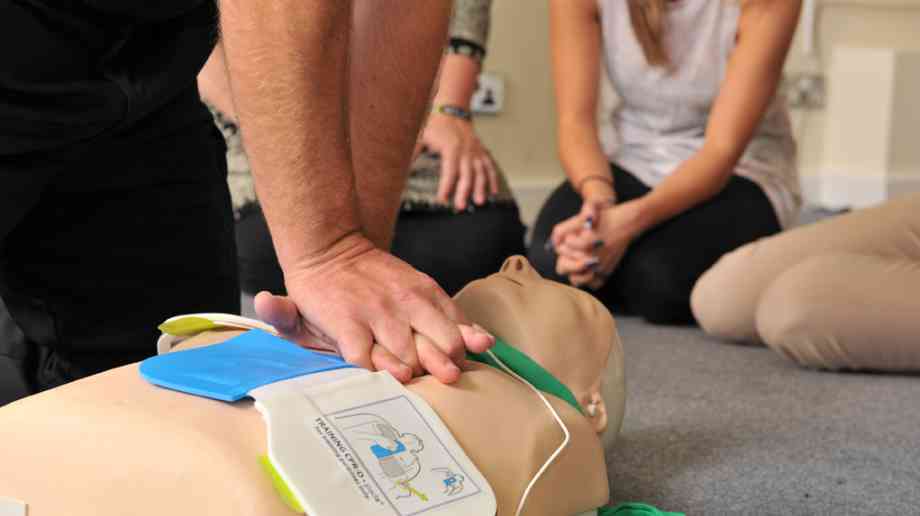
Following Danish footballer Christian Eriksen receiving CPR on the pitch at a recent Euro 2020 match, the NHS has said that it is sending out an army of volunteers to teach CPR.
Speaking at the NHS Confederation Conference, England’s National Medical Director, Professor Stephen Powis, says that thousands more lives could be saved if more people knew what to do. Currently, only one in three people in England give CPR when they witness someone going into cardiac arrest.
Powis is announcing the launch of a new partnership with St John Ambulance to deliver an NHS programme encouraging everyone to learn CPR and how to use defibrillators. The health and first aid charity recently trained 27,000 vaccination volunteers in these lifesaving skills and will seek to train an additional 60,000 people as part of this new programme.
St John Ambulance and NHS ambulance trusts will develop a national network of defibrillators and Community Advocates to champion the importance of first aid, which will help save up to 4,000 lives each year by 2028. This will be supported by an education programme, including for young people of school age, about how to recognise and respond to out-of-hospital cardiac arrest.
At least 30 volunteers from each of England’s 10 ambulance trusts will be supported to get out into the community and teach lifesaving skills.
Powis said: “During the pandemic, tens of thousands of people volunteered to support the hugely successful NHS vaccination programme and many more took up roles delivering medicines or checking on vulnerable people shielding at home.
“Since Eriksen’s collapse at the weekend, we have also seen kind hearted Brits sharing information online on how to do CPR and save a life. Today, I’m calling on them to go one step further and train to teach CPR as we know this will mean more lives like Christian Eriksen’s will be saved.
“If more people had the confidence and skills to call 999 quickly, deliver effective CPR until the ambulance crew arrive, and use a public access defibrillator, the number of lives saved would double. We saw a massive rush in willing volunteers to help lifesaving activity during the pandemic and we hope that even more people will be inspired to join our Eriksen’s Army, learn CPR and become lifesavers.”
Latest News

16/02/2024 - 12:56
Hammersmith and Fulham Council has created a new alliance intended to clean dirty air and improve residents' health.

16/02/2024 - 10:44
Two million more GP appointments a month are being delivered for patients compared to the same month before the pandemic as part of the NHS primary care access recovery plan according to new NHS data.

15/02/2024 - 10:26
The Welsh Government has provided innovation funding of £380,000 to support two projects utilising technology in domiciliary care.

15/02/2024 - 10:13
The new Scottish health secretary has met with frontline staff at Queen Elizabeth University Hospital in Glasgow.

14/02/2024 - 10:27
The North East London NHS Foundation Trust (NELFT) has appointed three new Executive Directors to the Trust Board.
Product Features

UK Building Regulations highlight toxic gas and smoke from layers of paint built up over multiple redecorations as a major cause of permanent ill health or death in a building fire.
Their concern rose with discovery the flame retardant paints most widely used paint along escape routes have been ones which to this day counter-productively use emission of heavy toxic gas to smother flames which rapidly spread along walls if layers of paint delaminate in a fire.
Supplier Profiles

Northwich’s Victoria Infirmary (VIN) Community Diagnostic Centre (CDC) has enabled more patients

Adveco, the commercial hot water specialist, announces the launch of live metering of domestic ho
Latest Features

Sarah Greenslade, public affairs and communications officer at the British Parking Association looks at some of the problems and innovations in healthcare parking

It’s easy to assume that the comms team is there to handle press enquiries and the occasional social media storm – but the reality is that strategic communications can make a measurable impact across the entire organisation, from operational to financial, when done properly


