
This story was first published in digitalhealth.net

Doctors are suffering ‘emotional’ and ‘psychological’ distress
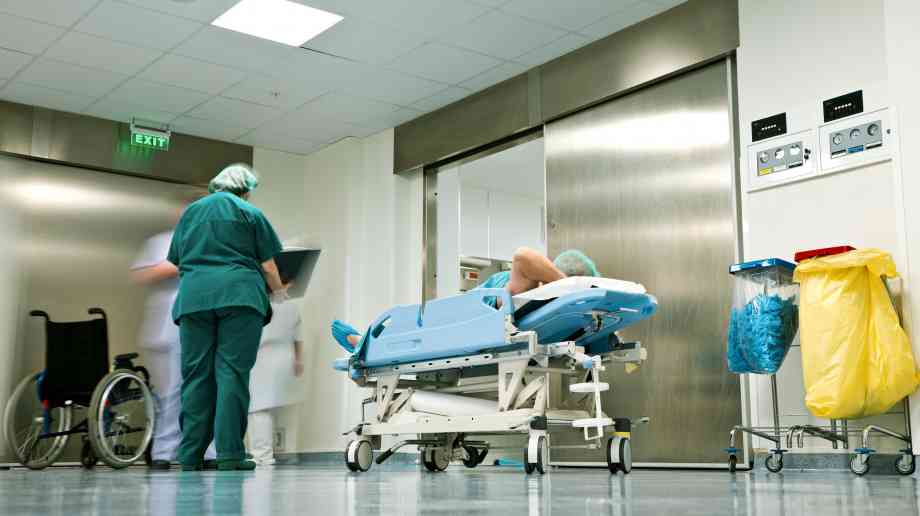
Research has revealed that doctors are suffering ‘moral distress’ and even ‘moral injury’ because they cannot give their patients the care and support they want to when they feel they need it.
The British Medical Association has undertaken the first ever pan-profession survey of its kind and surveyed UK doctors during March and April of this year. Almost 2,000 doctors took part and, whilst the majority said they were experiencing distress when they weren’t able to provide the care they knew was needed, many did not realise they were suffering what is identified as ‘moral distress.’
Moral distress can be understood as the feeling of unease stemming from being unable to undertake an ethically correct action due to institutional or resource constraints.
As many as 78.4 per cent of respondents stated that moral distress resonated with their experiences at work. An even greater proportion of critical care doctors and foundation year junior doctors stated that moral distress resonated with their experiences at work (88.9 per cent and 88.5 per cent respectively).
The research also examined the notion of moral injury as the BMA found some doctors are experiencing longer-term psychological harm – or moral injury. More than half of respondents reported that moral injury resonated with their experiences at work.
The doctor’s union also asked respondents if they intend to change their career plans for the next year with almost two thirds (62.4 per cent) saying they would work fewer hours and over half (51.3 per cent) saying they would consider taking early retirement.
Dr Helen Fidler, deputy chair of the BMA consultants committee, said: “The results of this research are, without doubt, incredibly worrying. However, what is important is being able to now name the struggles that many doctors are facing is the first step in helping to tackle these issues and pinpoint exactly what needs to be done to alleviate them. As doctors, we need to be the doctors we want to be, rather than the doctors we have to be.
“As with many pre-existing pressures on staff in the NHS, the Covid-19 pandemic has only exacerbated moral distress and moral injury. Doctors have less autonomy, government support has failed to keep up with patient demand, and we’re now at the point where these pressures are driving talented professionals to breaking point, with many staff even leaving the health service because of it.
“For those who stay, we know that fewer staff is a key driver of even more moral distress and moral injury, thereby creating a never-ending cycle of damaged staff well-being, psychological turmoil and poorer or unsafe patient care.
“Perhaps moral distress and moral injury can never be eliminated, but it certainly shouldn’t be a part of everyday life for our healthcare staff or their patients. All doctors want to do is to help others – it’s why we’re in this job – but when we’re unable to make decisions that we believe are ethically right, it’s not only distressing, but also goes against every fibre of who we are: it’s entrapping, stifling, and directly impacts the care we give to our patients.”
Latest News

16/02/2024 - 12:56
Hammersmith and Fulham Council has created a new alliance intended to clean dirty air and improve residents' health.

16/02/2024 - 10:44
Two million more GP appointments a month are being delivered for patients compared to the same month before the pandemic as part of the NHS primary care access recovery plan according to new NHS data.

15/02/2024 - 10:26
The Welsh Government has provided innovation funding of £380,000 to support two projects utilising technology in domiciliary care.

15/02/2024 - 10:13
The new Scottish health secretary has met with frontline staff at Queen Elizabeth University Hospital in Glasgow.

14/02/2024 - 10:27
The North East London NHS Foundation Trust (NELFT) has appointed three new Executive Directors to the Trust Board.
Product Features

UK Building Regulations highlight toxic gas and smoke from layers of paint built up over multiple redecorations as a major cause of permanent ill health or death in a building fire.
Their concern rose with discovery the flame retardant paints most widely used paint along escape routes have been ones which to this day counter-productively use emission of heavy toxic gas to smother flames which rapidly spread along walls if layers of paint delaminate in a fire.
Supplier Profiles

Northwich’s Victoria Infirmary (VIN) Community Diagnostic Centre (CDC) has enabled more patients

Adveco, the commercial hot water specialist, announces the launch of live metering of domestic ho
Latest Features

Sarah Greenslade, public affairs and communications officer at the British Parking Association looks at some of the problems and innovations in healthcare parking

It’s easy to assume that the comms team is there to handle press enquiries and the occasional social media storm – but the reality is that strategic communications can make a measurable impact across the entire organisation, from operational to financial, when done properly


