
This story was first published in digitalhealth.net

Deteriorating hospital standards are a result of privatisation
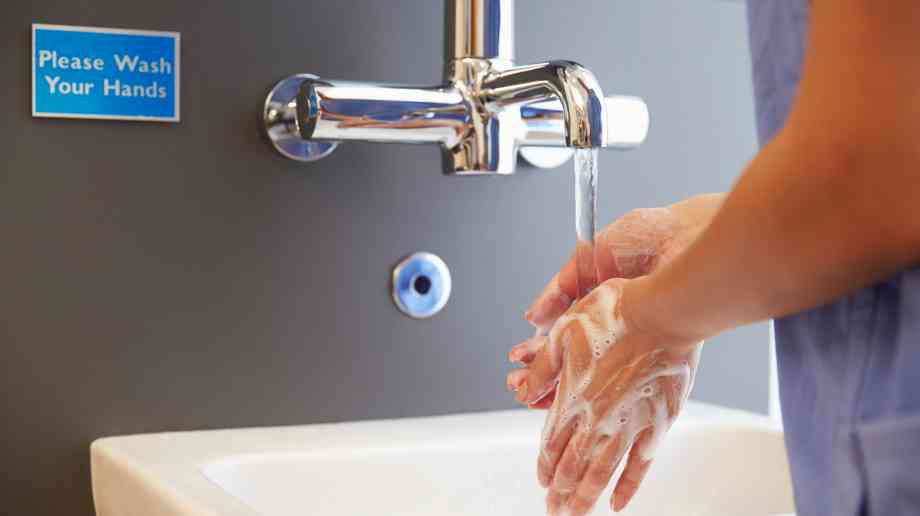
Hospital acquired diseases such as listeria and MRSA are a direct result of lowered standards arising from privatisation cutbacks, says GMB.
For the last 30 years the privatisation of public services and the NHS has gathered pace, and the introduction of private finance initiative (PFI) has led to costly smaller hospital units with inadequate ventilation being built all over the UK. Alongside the outsourcing of hospital cleaning, PFI is what the GMB union believes has led to the rise in hospital acquired infections, as patients have contracted additional diseases following admission for routine procedures in their local hospital.
Health Secretary Matt Hancock has ordered a ‘root and branch’ review of hospital food provision following the deaths of five patients from Listeria, but the GMB is doubtful that any food ‘root and branch review’ will deal with the real cause of deteriorating hospital standards - privatisation.
Helen O’Connor, GMB Regional Organiser, said: "If you want to find a concrete example of what privatisation is doing to the NHS, the mounting GMB Union campaign against private company Mitie at St George’s Hospital is illuminating. Mitie are cutting hospital cleaners hours and making 40 staff redundancies but the hospital itself, or the population it serves, are not getting any smaller.
"Mitie are also proposing to have cleaners handling patient’s food which is a cross contamination risk to the patients at St George’s Hospital. The cleaners and catering staff are struggling to cover the work that needs to be done to keep the hospital safe within their existing hours and they know that this cutback will harm the patients. That is why they are joining GMB Union and fighting back.
"Unlike directly employed NHS workers, Mitie workers are only entitled to statutory sick pay (SSP) if they are sick themselves so many are forced to come into work when they are unwell which is an additional cross contamination risk for the patients.
"The privatisation of the NHS is a failure on every level and the truth is that Listeria, MRSA and other hospital acquired diseases are the direct result of the lowered standards that arise from the cutbacks resulting from privatisation. This is a matter of life and death for hospital patients and it’s a matter of survival for NHS workers and their families.
"In St George’s Hospital, GMB has started on the urgent task of uniting all hospital workers, patients and the public in order to fight against the deadly impact of cuts to hospital cleaning. Privatisation was never about efficiency. Privatisation is driven by right wing ideology that talks about rolling back the frontiers of the state without giving a moments consideration to the catastrophic impact if has over public services and those who deliver and require them."
Latest News

16/02/2024 - 12:56
Hammersmith and Fulham Council has created a new alliance intended to clean dirty air and improve residents' health.

16/02/2024 - 10:44
Two million more GP appointments a month are being delivered for patients compared to the same month before the pandemic as part of the NHS primary care access recovery plan according to new NHS data.

15/02/2024 - 10:26
The Welsh Government has provided innovation funding of £380,000 to support two projects utilising technology in domiciliary care.

15/02/2024 - 10:13
The new Scottish health secretary has met with frontline staff at Queen Elizabeth University Hospital in Glasgow.

14/02/2024 - 10:27
The North East London NHS Foundation Trust (NELFT) has appointed three new Executive Directors to the Trust Board.
Product Features

UK Building Regulations highlight toxic gas and smoke from layers of paint built up over multiple redecorations as a major cause of permanent ill health or death in a building fire.
Their concern rose with discovery the flame retardant paints most widely used paint along escape routes have been ones which to this day counter-productively use emission of heavy toxic gas to smother flames which rapidly spread along walls if layers of paint delaminate in a fire.
Supplier Profiles

Northwich’s Victoria Infirmary (VIN) Community Diagnostic Centre (CDC) has enabled more patients

Adveco, the commercial hot water specialist, announces the launch of live metering of domestic ho
Latest Features

Sarah Greenslade, public affairs and communications officer at the British Parking Association looks at some of the problems and innovations in healthcare parking

It’s easy to assume that the comms team is there to handle press enquiries and the occasional social media storm – but the reality is that strategic communications can make a measurable impact across the entire organisation, from operational to financial, when done properly


