
This story was first published in digitalhealth.net

NHS to open first specialist clinics for severely obese children
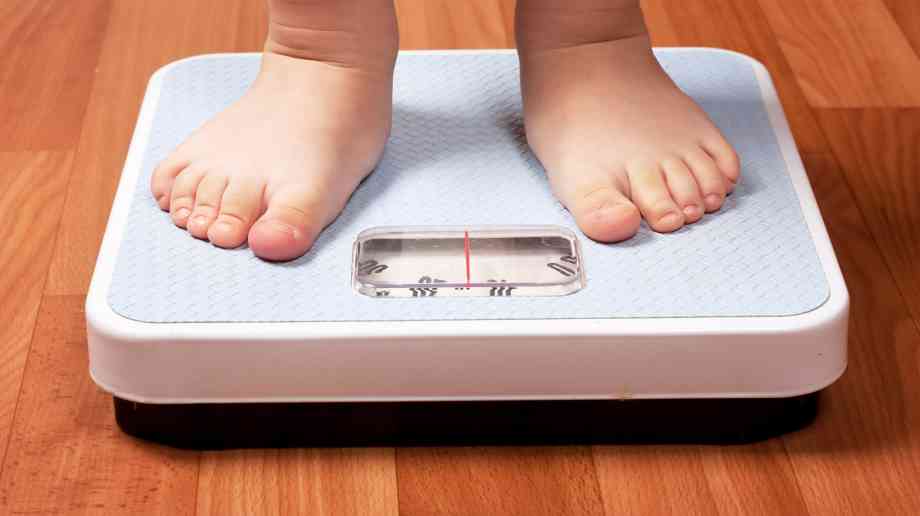
A pilot of 15 new specialist clinics set up by the NHS in England has been announced to provide intensive support to severely obese children and young people.
As many as 1,000 children a year, who are aged between two and 18 and experiencing health complications related to severe obesity, will be supported to lose weight through the new services. Children will also receive specialist treatment and tailored care packages developed with their family, which could include diet plans, mental health treatment and coaching.
As well as providing expert treatment, with group sessions hosting a full clinical team, the services will identify the factors causing obesity in children, considering their mental and physical health.
The rollout of the pilot delivers on the NHS Long Term Plan ambition to treat children for severe complications related to their obesity, avoiding the need for more invasive treatment.
Obesity affects one in five children in the UK and can increase the likelihood of a child developing serious health issues such as Type 2 diabetes, liver conditions and early heart disease. Children who are severely obese can also develop difficulties such as breathing problems, sleep issues and mental health problems, which can dramatically impact their quality of life.
Amanda Pritchard, chief executive of the NHS in England said: “The pandemic has shone a harsh light on obesity – with many vulnerable young people struggling with weight gain during the pandemic. Left unchecked, obesity can have other very serious consequences, ranging from diabetes to cancer.
“This early intervention scheme aims to prevent children and young people enduring a lifetime of ill-health. The NHS Long Term Plan committed to take more action to help children and young people with their physical and mental health and these new services are a landmark moment in efforts to help them lead longer, healthier and happier lives.”
Latest News

16/02/2024 - 12:56
Hammersmith and Fulham Council has created a new alliance intended to clean dirty air and improve residents' health.

16/02/2024 - 10:44
Two million more GP appointments a month are being delivered for patients compared to the same month before the pandemic as part of the NHS primary care access recovery plan according to new NHS data.

15/02/2024 - 10:26
The Welsh Government has provided innovation funding of £380,000 to support two projects utilising technology in domiciliary care.

15/02/2024 - 10:13
The new Scottish health secretary has met with frontline staff at Queen Elizabeth University Hospital in Glasgow.

14/02/2024 - 10:27
The North East London NHS Foundation Trust (NELFT) has appointed three new Executive Directors to the Trust Board.
Product Features

UK Building Regulations highlight toxic gas and smoke from layers of paint built up over multiple redecorations as a major cause of permanent ill health or death in a building fire.
Their concern rose with discovery the flame retardant paints most widely used paint along escape routes have been ones which to this day counter-productively use emission of heavy toxic gas to smother flames which rapidly spread along walls if layers of paint delaminate in a fire.
Supplier Profiles

Northwich’s Victoria Infirmary (VIN) Community Diagnostic Centre (CDC) has enabled more patients

Adveco, the commercial hot water specialist, announces the launch of live metering of domestic ho
Latest Features

Sarah Greenslade, public affairs and communications officer at the British Parking Association looks at some of the problems and innovations in healthcare parking

It’s easy to assume that the comms team is there to handle press enquiries and the occasional social media storm – but the reality is that strategic communications can make a measurable impact across the entire organisation, from operational to financial, when done properly


