
This story was first published in digitalhealth.net

Ambulance service leaders call for underfunding change
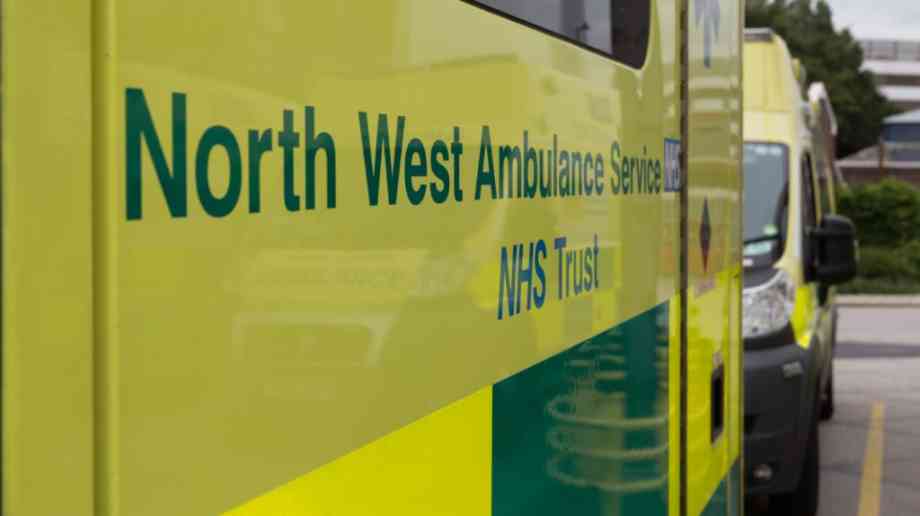
Ambulance service leaders say a funding shortfall of nearly £240 million is having a negative impact on patient care.
Highlighting the key role that they have played in dealing with the pandemic, a joint briefing by NHS Providers and the Association of Ambulance Chief Executives calls for a focus on ambulance service funding as part of next week's Spending Review.
During the first wave of coronavirus, ambulance services received additional funding that enabled them to respond rapidly and effectively. They put an extra 614 double crewed ambulances on the road, with the ability to help over 7,000 more patients per day.
As result, In the period from May to July, for the first time in a decade, ambulance services met all the national performance targets. This is despite services having to contend with new pressures such as additional infection control measures, social distancing and workforce absences.
However, as additional resourcing reduced, demand began to increase and services had to return to ‘business as usual’, they were unable to sustain the same level of performance, with a negative impact on patient care as well as the mental health and well-being of ambulance staff.
NHS Providers says that this again highlights how ambulance services have historically been underfunded, as year after year financial settlements have fallen behind ever-increasing demand. Based on estimates from all 10 services across England, the briefing says the combined recurrent funding shortfall is £237.5 million.
Chris Hopson, NHS Providers chief executive, said: "The ambulance sector has made a vital contribution to the NHS' pandemic response. The commitment, resilience and professionalism of ambulance staff has been remarkable. We owe them a debt of gratitude.
"The way ambulance services managed to meet performance standards in the midst of the pandemic was a remarkable achievement, and showed what can be done when they are funded adequately. This resulted in a faster, safer and better service for patients. We are clear that this is a lesson for the long term. It's time to end ambulance under-funding."
Helen Ray, chief executive of North East Ambulance Service and the ambulance service chief executive representative on the NHS Providers Board, said: “Ambulance staff have been at the frontline of care during the current pandemic, which has resulted in our services being busier than ever. But it is telling that ambulance trusts saw performance against targets improve in May to July this year, at a time when the service received additional funding to manage demand caused by the first wave of Covid-19.
“Now we are in the middle of a second wave, with our normal winter pressures on top, if additional funding is not allocated to the sector in the Government spending review on 25th November, there is a very real risk that there will be an unnecessary detrimental impact upon patient care as well as the mental health and wellbeing of the ambulance service workforce.
“For many years now, funding for NHS ambulance services has not kept pace with the ever-increasing demand faced by the sector, and what we have learned during the current pandemic is that ambulance services need to be adequately funded on a recurrent basis, so that the capacity to respond safely to predicted demand can be fully and appropriately resourced with the necessary skill mix all year round.”
Latest News

16/02/2024 - 12:56
Hammersmith and Fulham Council has created a new alliance intended to clean dirty air and improve residents' health.

16/02/2024 - 10:44
Two million more GP appointments a month are being delivered for patients compared to the same month before the pandemic as part of the NHS primary care access recovery plan according to new NHS data.

15/02/2024 - 10:26
The Welsh Government has provided innovation funding of £380,000 to support two projects utilising technology in domiciliary care.

15/02/2024 - 10:13
The new Scottish health secretary has met with frontline staff at Queen Elizabeth University Hospital in Glasgow.

14/02/2024 - 10:27
The North East London NHS Foundation Trust (NELFT) has appointed three new Executive Directors to the Trust Board.
Product Features

UK Building Regulations highlight toxic gas and smoke from layers of paint built up over multiple redecorations as a major cause of permanent ill health or death in a building fire.
Their concern rose with discovery the flame retardant paints most widely used paint along escape routes have been ones which to this day counter-productively use emission of heavy toxic gas to smother flames which rapidly spread along walls if layers of paint delaminate in a fire.
Supplier Profiles

Northwich’s Victoria Infirmary (VIN) Community Diagnostic Centre (CDC) has enabled more patients

Adveco, the commercial hot water specialist, announces the launch of live metering of domestic ho
Latest Features

Sarah Greenslade, public affairs and communications officer at the British Parking Association looks at some of the problems and innovations in healthcare parking

It’s easy to assume that the comms team is there to handle press enquiries and the occasional social media storm – but the reality is that strategic communications can make a measurable impact across the entire organisation, from operational to financial, when done properly


