
This story was first published in digitalhealth.net

RCEM raises concern over increasing four hour A&E waits
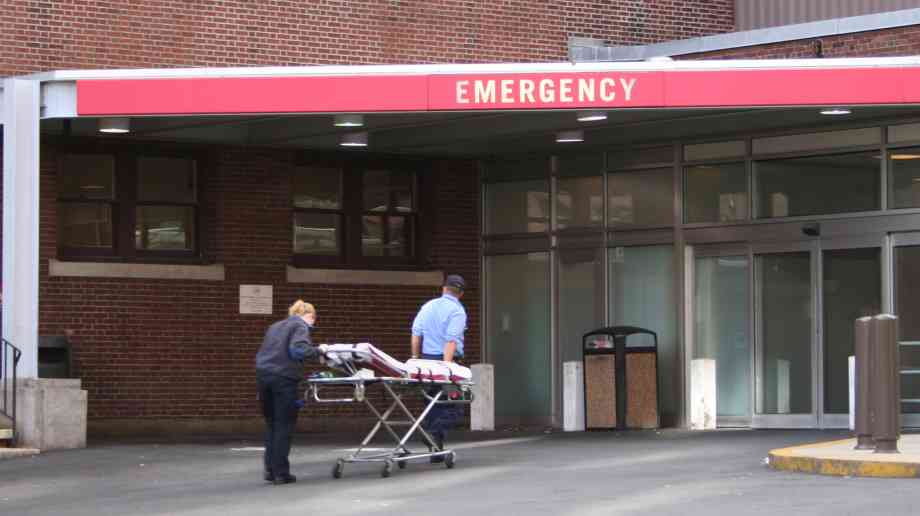
According to data from the Department of Health (DH), the number of patients waiting four or more hours at A&E has risen more than 300 per cent at some hospitals.
The Royal College for Emergency Medicine (RCEM) has raised concern over the figures and warned there is a 'large and systemic problem' caused by a lack of hospital beds.
The statistics showed that in total 2.2 million patients were not seen within the target time in 2015-16 - more than double the one million figure in 2013-2014.
The data also revealed that there had been 1,271 A&E waits which lasted more than 12 hours.
Pennine Acute Hospitals was identified as experiencing the biggest rise in patients waiting more than four hours, with 54,945 not seen in four hours.
The trust's medical director Prof Matt Makin said: "Our (three) accident and emergency departments have continued to face real pressures throughout the year and we know demand on our services further increases over winter.
"Like most trusts across the country, we are finding this a challenge due to the flow of patients in and out of hospitals and the large numbers of admissions of patients, particularly those who are elderly and with complex and chronic health conditions.
"We are sorry that some patients have to wait longer than we would like to be seen by a doctor and also those who are waiting to be admitted and taken to the ward."
Dr Simon Howse, policy research manager at RCEM, highlighted that ‘hospitals are being asked to do something they are not resourced to do’, said: “In any health system some people turn up who are not in great need but studies show the level of unnecessary visits in the UK is very, very low."
"They are trying to treat a growing and more needy population with fewer and fewer beds.
"There has also been continuous growth in people over 75 years old with complex needs and they tend to take longer to treat than, say, a 25-year-old."
In a statement, a spokesman for NHS England commented: "Hospitals report this affects their ability to quickly admit emergency A&E patients, so the NHS is working closely with local councils and community health services to enable older patients to get the support they need after a hospital stay, back at home," he said.
"Hospitals are coming under increasing pressure but in the main are continuing to cope."
Latest News

16/02/2024 - 12:56
Hammersmith and Fulham Council has created a new alliance intended to clean dirty air and improve residents' health.

16/02/2024 - 10:44
Two million more GP appointments a month are being delivered for patients compared to the same month before the pandemic as part of the NHS primary care access recovery plan according to new NHS data.

15/02/2024 - 10:26
The Welsh Government has provided innovation funding of £380,000 to support two projects utilising technology in domiciliary care.

15/02/2024 - 10:13
The new Scottish health secretary has met with frontline staff at Queen Elizabeth University Hospital in Glasgow.

14/02/2024 - 10:27
The North East London NHS Foundation Trust (NELFT) has appointed three new Executive Directors to the Trust Board.
Product Features

UK Building Regulations highlight toxic gas and smoke from layers of paint built up over multiple redecorations as a major cause of permanent ill health or death in a building fire.
Their concern rose with discovery the flame retardant paints most widely used paint along escape routes have been ones which to this day counter-productively use emission of heavy toxic gas to smother flames which rapidly spread along walls if layers of paint delaminate in a fire.
Supplier Profiles

Northwich’s Victoria Infirmary (VIN) Community Diagnostic Centre (CDC) has enabled more patients

Adveco, the commercial hot water specialist, announces the launch of live metering of domestic ho
Latest Features

Sarah Greenslade, public affairs and communications officer at the British Parking Association looks at some of the problems and innovations in healthcare parking

It’s easy to assume that the comms team is there to handle press enquiries and the occasional social media storm – but the reality is that strategic communications can make a measurable impact across the entire organisation, from operational to financial, when done properly


