
This story was first published in digitalhealth.net

‘Game changing’ liver transplant treatment approved
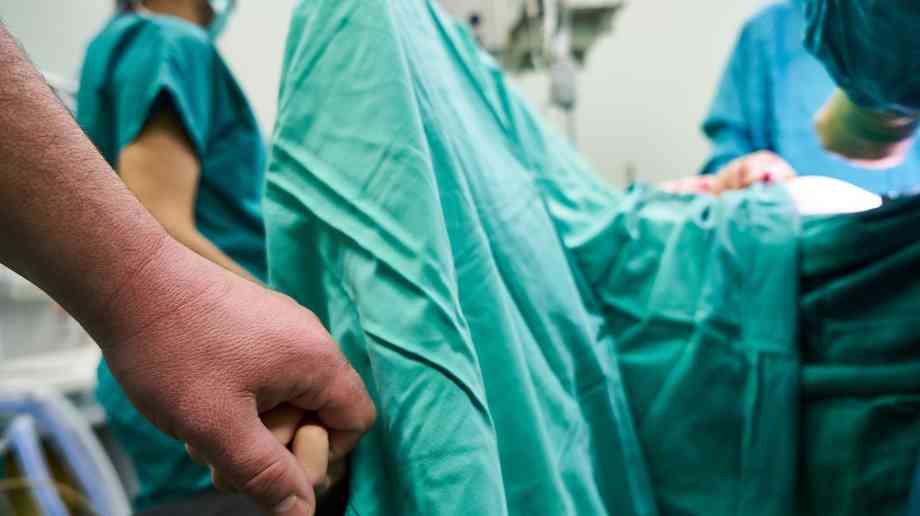
The National Institute for Health and Care Excellence (NICE) has approved a new procedure for use on the NHS which can store donated livers at body temperature, which slows the deterioration of the organ.
Perfusion machines reduce the rate of tissue deterioration that occurs after the liver has been removed from the donor and extends how long the liver can be stored before transplantation, keeping the donated liver viable for transplantation for longer.
Liver transplantation is a highly successful treatment for end-stage liver disease, which kills 11,000 people a year in England, with deaths from liver disease having soared by 25 per cent in a decade. It is hoped machine perfusion, recommended in NICE’s final guidance, could increase the number of organs viable for transplant, saving more lives and reducing liver transplant waiting lists.
Surgeons undertaking the procedure must inform patients about the uncertainty of the procedure’s efficacy, comply with the relevant regulatory and legal requirements of the Human Tissue Authority and should enter details about all patients having this procedure into the NHSBT UK transplant registry.
Kevin Harris, programme director and clinical advisor for the Interventional Procedures Programme at NICE, said: “This procedure offers hope for patients needing a liver transplant. It offers another way of preserving the liver, and assessing whether livers which might have previously been considered unsuitable, can be used safely.
“The latest evidence reviewed by a NICE committee concluded that the procedure worked well and was safe to be offered to patients who had been fully informed of the risks and benefits. Clinicians should seek approval from their trust’s management and record all data from the procedure in a database. By using this procedure, more patients on the organ transplant waiting list could be offered a chance of a transplant and there-by potentially extending their lives.”
John Forsythe, associate medical director at NHS Blood and Transplant, said: “There has been a huge amount of research in the area of preservation and perfusion methods that allow us to both assess precious donor organs and to enhance their function. This could potentially mean the organ works better and improve transplant outcomes. Many of the lead researchers in the area of transplant preservation and perfusion techniques are in UK and it is good to see UK researchers continue to be at the forefront in this field. Transplantation wouldn’t be possible without the generosity of organ donors and their families.”
Vanessa Hebditch, director of policy at the British Liver Trust, commented: “Every year hundreds of people with advanced liver disease die whilst waiting for a transplant. This new device offers real hope as it may improve transplant outcomes and allow livers that were previously thought to be unsuitable to be used and also increase the time that livers are able to be kept. It is an exciting development that has the potential to shorten waiting list times and reduce mortality rates from advanced liver disease. After transplant, the vast majority of people go on to lead full and healthy lives and it is truly amazing to see the transformation.”
Latest News

16/02/2024 - 12:56
Hammersmith and Fulham Council has created a new alliance intended to clean dirty air and improve residents' health.

16/02/2024 - 10:44
Two million more GP appointments a month are being delivered for patients compared to the same month before the pandemic as part of the NHS primary care access recovery plan according to new NHS data.

15/02/2024 - 10:26
The Welsh Government has provided innovation funding of £380,000 to support two projects utilising technology in domiciliary care.

15/02/2024 - 10:13
The new Scottish health secretary has met with frontline staff at Queen Elizabeth University Hospital in Glasgow.

14/02/2024 - 10:27
The North East London NHS Foundation Trust (NELFT) has appointed three new Executive Directors to the Trust Board.
Product Features

UK Building Regulations highlight toxic gas and smoke from layers of paint built up over multiple redecorations as a major cause of permanent ill health or death in a building fire.
Their concern rose with discovery the flame retardant paints most widely used paint along escape routes have been ones which to this day counter-productively use emission of heavy toxic gas to smother flames which rapidly spread along walls if layers of paint delaminate in a fire.
Supplier Profiles

Northwich’s Victoria Infirmary (VIN) Community Diagnostic Centre (CDC) has enabled more patients

Adveco, the commercial hot water specialist, announces the launch of live metering of domestic ho
Latest Features

Sarah Greenslade, public affairs and communications officer at the British Parking Association looks at some of the problems and innovations in healthcare parking

It’s easy to assume that the comms team is there to handle press enquiries and the occasional social media storm – but the reality is that strategic communications can make a measurable impact across the entire organisation, from operational to financial, when done properly


