
This story was first published in digitalhealth.net

One in 15 women need surgery to remove vaginal mesh implants
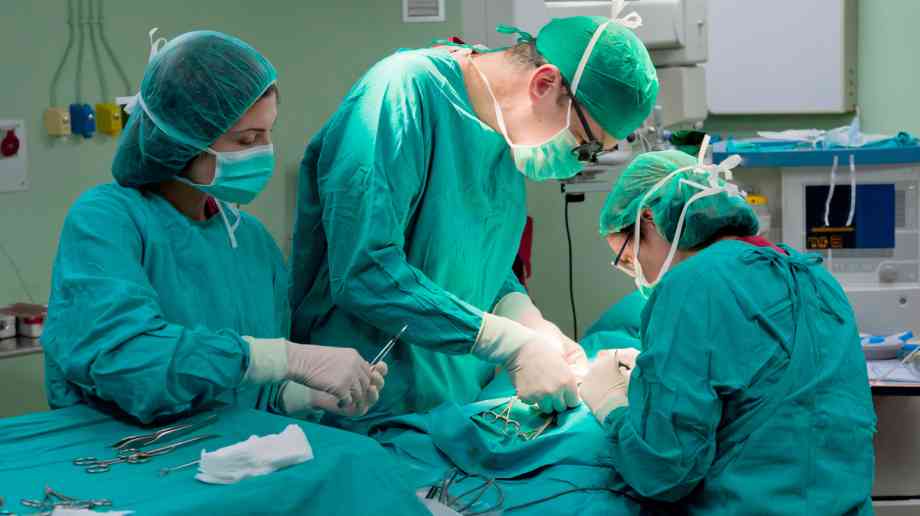
Thousands of women have had surgery to have vaginal mesh implants removed in the past decade, NHS figures obtained by the Guardian show.
The figures suggest that around one in 15 women fitted with the most common type of mesh later need surgery to have it extracted.
The implants have been used as an alternative to traditional surgical approaches for treating urinary incontinence and prolapse, conditions that can comply occur after childbirth.
For most women the operation is successful, however, there are concerns over the severe complications large numbers of patients suffer from, including chronic pain, mesh cutting through tissue into the skin and being left unable to walk or have sex.
NHS Digital records show that between 2006 and 2016 just over 75,000 trans-vaginal tape (TVT) implants, the most common implant, were fitted. During the same timeframe, more than 4,900 procedures were carried out to remove the implant, which is around 6.5 per cent of the number put in.
More than 1,000 removals were also carried out for a second type of mesh, transobturator tape (TVT-O) which had been inserted in 44,000 women over the time period.
Johnson & Johnson, whose subsidiary Ethicon produces one of the most widely used mesh products, released a statement saying: “We empathise with those patients who have had complications associated with pelvic mesh procedures, but we believe it is important to recognise that their experiences do not speak for the vast majority of women whose lives have been improved through treatment with pelvic mesh devices.”
The company is fighting a major class action in Australia and could face legal proceedings in the UK.
The Medicines and Healthcare products Regulatory Agency (MHRA) added: “In common with other medical device regulators worldwide, none of whom have removed these devices from the market, we are not aware of evidence which would lead to the conclusion these devices are inherently unsafe if used as intended.”
Latest News

16/02/2024 - 12:56
Hammersmith and Fulham Council has created a new alliance intended to clean dirty air and improve residents' health.

16/02/2024 - 10:44
Two million more GP appointments a month are being delivered for patients compared to the same month before the pandemic as part of the NHS primary care access recovery plan according to new NHS data.

15/02/2024 - 10:26
The Welsh Government has provided innovation funding of £380,000 to support two projects utilising technology in domiciliary care.

15/02/2024 - 10:13
The new Scottish health secretary has met with frontline staff at Queen Elizabeth University Hospital in Glasgow.

14/02/2024 - 10:27
The North East London NHS Foundation Trust (NELFT) has appointed three new Executive Directors to the Trust Board.
Product Features

UK Building Regulations highlight toxic gas and smoke from layers of paint built up over multiple redecorations as a major cause of permanent ill health or death in a building fire.
Their concern rose with discovery the flame retardant paints most widely used paint along escape routes have been ones which to this day counter-productively use emission of heavy toxic gas to smother flames which rapidly spread along walls if layers of paint delaminate in a fire.
Supplier Profiles

Northwich’s Victoria Infirmary (VIN) Community Diagnostic Centre (CDC) has enabled more patients

Adveco, the commercial hot water specialist, announces the launch of live metering of domestic ho
Latest Features

Sarah Greenslade, public affairs and communications officer at the British Parking Association looks at some of the problems and innovations in healthcare parking

It’s easy to assume that the comms team is there to handle press enquiries and the occasional social media storm – but the reality is that strategic communications can make a measurable impact across the entire organisation, from operational to financial, when done properly


