
This story was first published in digitalhealth.net

Hundreds of staff join emergency care workforce ahead of winter
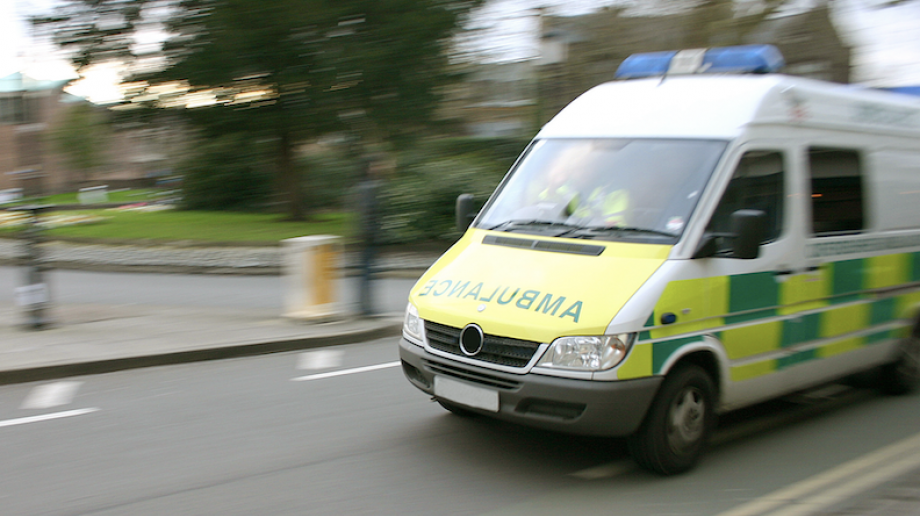
The NHS emergency care workforce has been boosted ahead of winter with hundreds of new staff staff including paramedics and call handlers.
The announcement comes amidst warnings of significant pressure due to winter viruses over the next few months.
The numbers of both 999 and 111 call handlers are up on last December (8 per cent and 5 per cent respectively).
There are now 2,600 handlers taking 999 calls, up from 2,400 last December.
October received the highest number of 999 calls of any month this year. There was an average call answer time of nine seconds - five times faster than the average of 50 seconds last October.
The NHS 111 service now has 4,645 call handlers in place, up 207 (4.7%) on last December.
In the week ending 3 Dec, the NHS 111 service answered almost twice the proportion of calls within a minute (from 36% to 67%) as the same week last year.
The NHS also recruited more than 1,700 additional paramedics and ambulance support staff between December 2022 and August 2023.
NHS national medical director, Professor Sir Stephen Powis, said: “It is hugely welcome news that we have been able to recruit hundreds more emergency staff ahead of this winter, with over 1,700 more ambulance staff and significant increases in the number of 111 and 999 call handlers to help deal with record demand for services as we head into the busier winter months.
“The latest figures show hospitals are already under considerable strain, with over 95,000 beds occupied and hundreds of patients admitted with viruses, which is why it is so important we have more colleagues with their shoulder to the wheel to help treat as many patients as possible, as quickly as possible.
“Earlier this year we published the NHS Long Term Workforce Plan which aims to retain and train many more staff, and a career in the NHS, particularly working on the frontline and saving lives in our urgent and emergency care teams, is incredibly rewarding so if you are interested in joining you can find out more on our NHS careers website.”
Health minister, Andrew Stephenson, said: “These hundreds of extra paramedics, call handlers and other emergency care staff are a vital boost to the NHS ahead of the busiest months. Alongside our Long Term Workforce Plan, we are building an NHS fit for the future.
“This is part of our robust winter plans which have already resulted in more ambulances on the roads, extra beds and the nationwide rollout of more than 10,000 virtual ward beds to treat people in the comfort of their own homes and reduce pressure on hospitals.”
Latest News

16/02/2024 - 12:56
Hammersmith and Fulham Council has created a new alliance intended to clean dirty air and improve residents' health.

16/02/2024 - 10:44
Two million more GP appointments a month are being delivered for patients compared to the same month before the pandemic as part of the NHS primary care access recovery plan according to new NHS data.

15/02/2024 - 10:26
The Welsh Government has provided innovation funding of £380,000 to support two projects utilising technology in domiciliary care.

15/02/2024 - 10:13
The new Scottish health secretary has met with frontline staff at Queen Elizabeth University Hospital in Glasgow.

14/02/2024 - 10:27
The North East London NHS Foundation Trust (NELFT) has appointed three new Executive Directors to the Trust Board.
Product Features

UK Building Regulations highlight toxic gas and smoke from layers of paint built up over multiple redecorations as a major cause of permanent ill health or death in a building fire.
Their concern rose with discovery the flame retardant paints most widely used paint along escape routes have been ones which to this day counter-productively use emission of heavy toxic gas to smother flames which rapidly spread along walls if layers of paint delaminate in a fire.
Supplier Profiles

Northwich’s Victoria Infirmary (VIN) Community Diagnostic Centre (CDC) has enabled more patients

Adveco, the commercial hot water specialist, announces the launch of live metering of domestic ho
Latest Features

Sarah Greenslade, public affairs and communications officer at the British Parking Association looks at some of the problems and innovations in healthcare parking

It’s easy to assume that the comms team is there to handle press enquiries and the occasional social media storm – but the reality is that strategic communications can make a measurable impact across the entire organisation, from operational to financial, when done properly


