
This story was first published in digitalhealth.net

Thousands to access diabetes and obesity prevention services
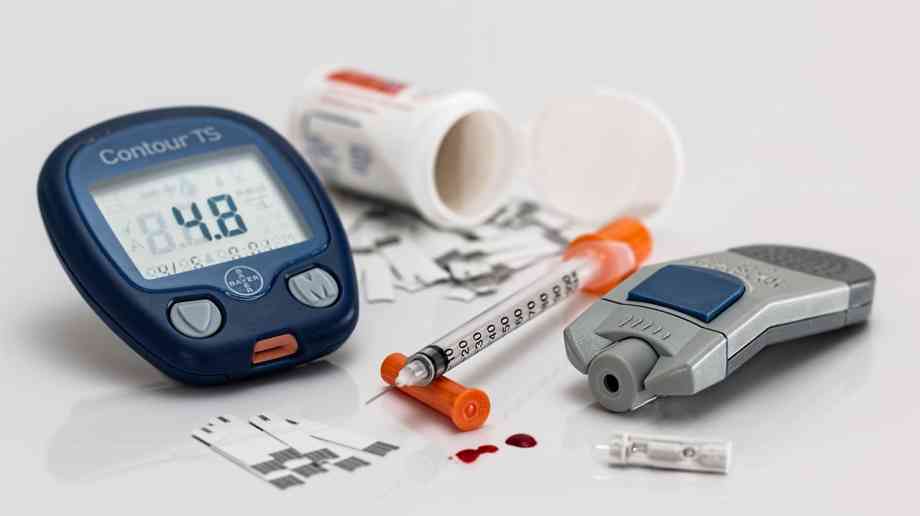
NHS England, Public Health England and Diabetes UK have partnered up with leading companies from the tech sector as the fight against obesity and Type 2 diabetes goes digital.
More than 5,000 people are expected to benefit from a trial which will see five companies and eight areas of the country test drive a range of apps, gadgets, wristbands and other innovative digital products.
Users will be able access health coaches and online support groups as well as set and monitor goals electronically. Some patients will also receive wearable technology to help them monitor activity levels and receive messages and prompts, which is being made available on the NHS for the first time.
This online method of support has the potential to have a similar impact to face-to-face interventions, helping bring down high blood sugar levels and in turn prevent Type 2 diabetes.
Healthier You: The NHS Diabetes Prevention Programme, launched last year, supports people who are at high risk of developing Type 2 diabetes. Those referred on to the face-to-face programme get personalised help, including education on lifestyle choices and advice on how to reduce weight through healthier eating.
This new pilot offers similar support, assistance and guidance but through the use of the new digital interventions.
Patients will be recruited over a six month period and will be given access to the digital products for up to 12 months.
Simon Stevens, CEO of NHS England, said: “So much else in our lives is now about online social connection and support, and that now needs to be true too for the modern NHS. This new programme is the latest example of how the NHS is now getting practical and getting serious about new ways of supporting people stay healthy.”
Jonathan Valabhji, national clinical director for obesity and diabetes, said: “Tackling obesity and the rising prevalence of Type 2 diabetes are the major public health challenges of our time. By April next year we will be providing the diabetes prevention programme to the whole of England – an evidence-based face-to-face programme that prevents or delays onset of Type 2 diabetes in those at high risk. Through this initiative, we have the potential to establish the effectiveness of digital interventions to do the same, so that the reach of the programme will be even greater.”
Duncan Selbie, chief executive at Public Health England, said: “This breaks new ground to help those at risk of Type 2 diabetes quite literally take their health into their own hands. Many of us use on-the-go digital technology every day and this is a logical next step in diabetes prevention.”
Latest News

16/02/2024 - 12:56
Hammersmith and Fulham Council has created a new alliance intended to clean dirty air and improve residents' health.

16/02/2024 - 10:44
Two million more GP appointments a month are being delivered for patients compared to the same month before the pandemic as part of the NHS primary care access recovery plan according to new NHS data.

15/02/2024 - 10:26
The Welsh Government has provided innovation funding of £380,000 to support two projects utilising technology in domiciliary care.

15/02/2024 - 10:13
The new Scottish health secretary has met with frontline staff at Queen Elizabeth University Hospital in Glasgow.

14/02/2024 - 10:27
The North East London NHS Foundation Trust (NELFT) has appointed three new Executive Directors to the Trust Board.
Product Features

UK Building Regulations highlight toxic gas and smoke from layers of paint built up over multiple redecorations as a major cause of permanent ill health or death in a building fire.
Their concern rose with discovery the flame retardant paints most widely used paint along escape routes have been ones which to this day counter-productively use emission of heavy toxic gas to smother flames which rapidly spread along walls if layers of paint delaminate in a fire.
Supplier Profiles

Northwich’s Victoria Infirmary (VIN) Community Diagnostic Centre (CDC) has enabled more patients

Adveco, the commercial hot water specialist, announces the launch of live metering of domestic ho
Latest Features

Sarah Greenslade, public affairs and communications officer at the British Parking Association looks at some of the problems and innovations in healthcare parking

It’s easy to assume that the comms team is there to handle press enquiries and the occasional social media storm – but the reality is that strategic communications can make a measurable impact across the entire organisation, from operational to financial, when done properly


