
This story was first published in digitalhealth.net

New national ambulance response standards
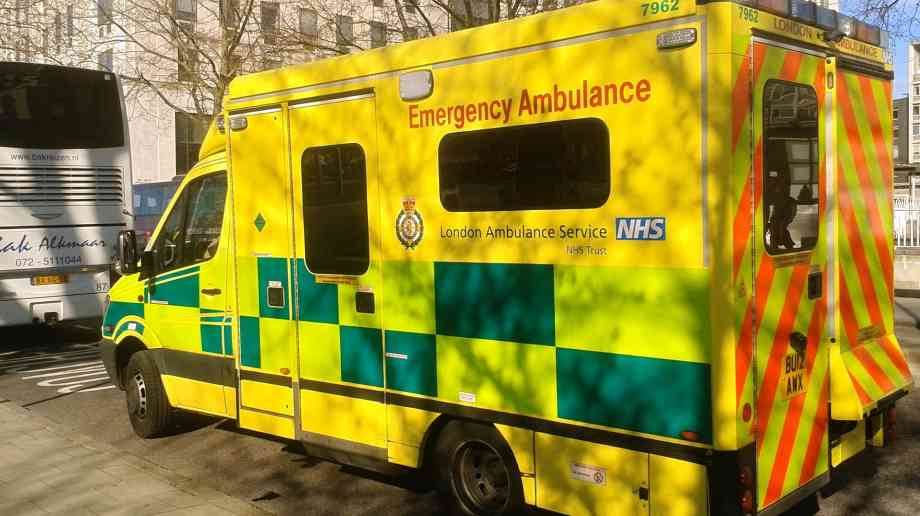
South East Coast Ambulance Service is to introduce a new set of ambulance response standards aimed at delivering the quickest response possible for the most critically ill or injured patients.
The new nationally-determined standards, see current Red 1, Red 2 and Green category calls replaced with four new categories. The new system aims to better enable ambulance services to get the right resource to patients, the first time, in a timeframe appropriate for their clinical need.
The changes, known as the Ambulance Response Programme (ARP), were announced by NHS England in July and follow the largest ambulance clinical trials in the world.
The clinical evidence, gathered from an 18-month trial of ARP, showed that out of 14 million 999 calls managed within the pilot, there were no patient safety issues or concerns.
The change is strongly endorsed by a number of expert organisations including the Royal College of Emergency Medicine, the Stroke Association and the College of Paramedics.
Changing the performance standards will improve efficiencies and free up ambulance crews to respond to emergencies.
Vehicles are often dispatched to respond to patients in less than eight minutes but most patients do not need this level of response.
The new standards will enable the trust to send the most appropriate response to each patient, first time, while continuing to prioritise those in the greatest need.
The availability of a transporting resource will also be improved, reducing the length of time single responders wait for back up.
Category 1 is for calls to people with immediately life-threatening and time-critical injuries and illnesses, category 2 is for emergency calls, category 3 is for urgent calls, and category 4 is for less urgent calls.
Joe Garcia, South East Coast Ambulance Service NHS Foundation Trust executive director of operations, said: “ARP and the new ambulance response standards will help us to better meet the clinical needs of our patients rather than simply a time-driven target. We will also be better placed to send the right response, the first time.
“We are working extremely hard as a trust, in the face of increasing year-on-year demand, to improve the efficiency and timeliness of our response to patients. While we cannot expect response times to improve overnight, as we continue to develop our operational staff skill-mix and ratio of ambulances to cars, our response to all categories of patient should improve.”
Latest News

16/02/2024 - 12:56
Hammersmith and Fulham Council has created a new alliance intended to clean dirty air and improve residents' health.

16/02/2024 - 10:44
Two million more GP appointments a month are being delivered for patients compared to the same month before the pandemic as part of the NHS primary care access recovery plan according to new NHS data.

15/02/2024 - 10:26
The Welsh Government has provided innovation funding of £380,000 to support two projects utilising technology in domiciliary care.

15/02/2024 - 10:13
The new Scottish health secretary has met with frontline staff at Queen Elizabeth University Hospital in Glasgow.

14/02/2024 - 10:27
The North East London NHS Foundation Trust (NELFT) has appointed three new Executive Directors to the Trust Board.
Product Features

UK Building Regulations highlight toxic gas and smoke from layers of paint built up over multiple redecorations as a major cause of permanent ill health or death in a building fire.
Their concern rose with discovery the flame retardant paints most widely used paint along escape routes have been ones which to this day counter-productively use emission of heavy toxic gas to smother flames which rapidly spread along walls if layers of paint delaminate in a fire.
Supplier Profiles

Northwich’s Victoria Infirmary (VIN) Community Diagnostic Centre (CDC) has enabled more patients

Adveco, the commercial hot water specialist, announces the launch of live metering of domestic ho
Latest Features

Sarah Greenslade, public affairs and communications officer at the British Parking Association looks at some of the problems and innovations in healthcare parking

It’s easy to assume that the comms team is there to handle press enquiries and the occasional social media storm – but the reality is that strategic communications can make a measurable impact across the entire organisation, from operational to financial, when done properly


