
This story was first published in digitalhealth.net

Staff shortages left cancer care in crisis pre-coronavirus
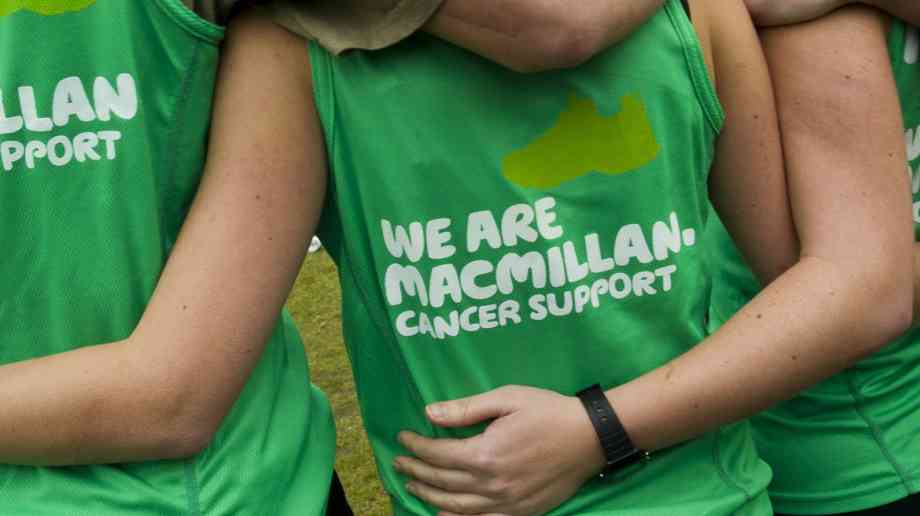
Research from Macmillan Cancer Support has shown that cancer care across the NHS was already at ‘crisis level’ before the emergence of coronavirus.
Prior to the pandemic, data suggests that the NHS in England was short of 2,500 cancer nurses, placing immense strains on a chronically overstretched workforce while depriving patients of their full treatment. This staffing shortfall means that the average cancer nurse would need to work almost double (84 per cent) their contracted hours to provide the appropriate care for patients.
A YouGov survey of 2,000 people with cancer in the UK, carried out pre-lockdown, shows that 21 per cent of recently diagnosed patients in England had not received support from a specialist cancer nurse during either their diagnosis or their treatment. Additionally, five per cent had not received any support at all – equating to more than 80,000 of those diagnosed with cancer every year. Of that, 22 per cent who did receive support said it was not enough to address their needs.
Macmillan’s research also found that 63 per cent of those with cancer in England who say they didn’t get enough support from nurses were left uncertain about queries relating to the disease. This included not having their questions answered and being unsure how to take their medication, or which side effects to look out for.
The charity has called on the government to ‘take control of the spiralling NHS staffing crisis’ to ensure nurses are provided the support they ‘need now more than ever’.
Lynda Thomas, chief executive at Macmillan Cancer Support, said: “The NHS nursing shortage was already at crisis level ahead of the pandemic and these issues will likely have only been made worse over the last few months. No one should be left without anywhere to turn after a diagnosis, or to feel the anxiety of prolonged delay to treatment they desperately need, or to feel alone and unheard during such a frightening time in their lives.
“NHS staff are doing the best they can and are working incredibly hard to respond to the added challenges presented by Covid-19, working long hours in high-pressured environments to try to deliver the best level of care, but it’s just not feasibly possible.”
The charity estimates that by 2030 the NHS will need 3,700 additional nurses to support the growing cancer population in England alone – a figure that can be likened to the current number of nurses having to spend 123 per cent above their contracted hours to provide care to all patients.
Latest News

16/02/2024 - 12:56
Hammersmith and Fulham Council has created a new alliance intended to clean dirty air and improve residents' health.

16/02/2024 - 10:44
Two million more GP appointments a month are being delivered for patients compared to the same month before the pandemic as part of the NHS primary care access recovery plan according to new NHS data.

15/02/2024 - 10:26
The Welsh Government has provided innovation funding of £380,000 to support two projects utilising technology in domiciliary care.

15/02/2024 - 10:13
The new Scottish health secretary has met with frontline staff at Queen Elizabeth University Hospital in Glasgow.

14/02/2024 - 10:27
The North East London NHS Foundation Trust (NELFT) has appointed three new Executive Directors to the Trust Board.
Product Features

UK Building Regulations highlight toxic gas and smoke from layers of paint built up over multiple redecorations as a major cause of permanent ill health or death in a building fire.
Their concern rose with discovery the flame retardant paints most widely used paint along escape routes have been ones which to this day counter-productively use emission of heavy toxic gas to smother flames which rapidly spread along walls if layers of paint delaminate in a fire.
Supplier Profiles

Northwich’s Victoria Infirmary (VIN) Community Diagnostic Centre (CDC) has enabled more patients

Adveco, the commercial hot water specialist, announces the launch of live metering of domestic ho
Latest Features

Sarah Greenslade, public affairs and communications officer at the British Parking Association looks at some of the problems and innovations in healthcare parking

It’s easy to assume that the comms team is there to handle press enquiries and the occasional social media storm – but the reality is that strategic communications can make a measurable impact across the entire organisation, from operational to financial, when done properly


